
Concrete Drainage Solutions for Edmonton Properties
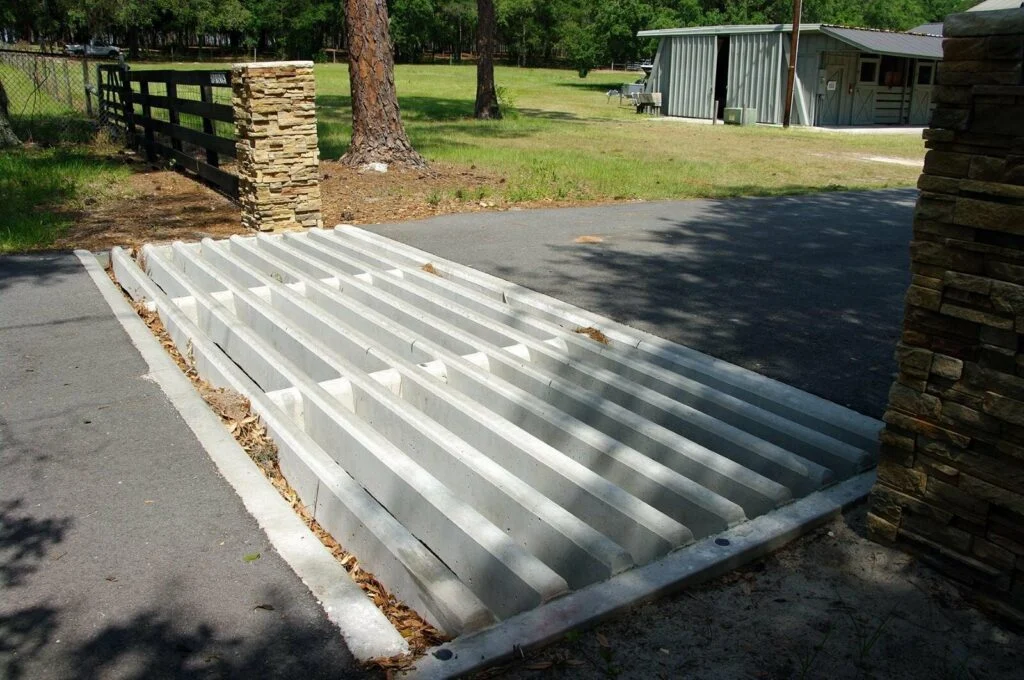
Water and concrete don’t mix well—especially in Edmonton. Between heavy spring snowmelt, sudden summer downpours, and relentless freeze–thaw cycles, poor drainage is one of the fastest ways for concrete surfaces to fail. Homeowners often notice the symptoms first: puddles on the driveway, icy walkways in winter, cracks forming earlier than expected, or water creeping toward the foundation. The good news? Most drainage problems can be prevented—or corrected—when concrete is properly designed, graded, and installed for local conditions. In this guide, we’ll walk through the real causes of concrete drainage issues in Edmonton, how they affect homes and commercial properties, and the proven concrete drainage solutions that actually hold up in Alberta’s climate. Why Concrete Drainage Is a Major Issue in Edmonton Edmonton presents a perfect storm for drainage-related concrete problems. Unlike warmer or drier regions, concrete here must handle extreme temperature swings, long winters, and soil conditions that naturally resist water movement. Freeze–Thaw Cycles Put Constant Stress on Concrete When water sits on or beneath concrete, it doesn’t just evaporate—it freezes. As water freezes, it expands by roughly 9%. That expansion creates pressure inside the concrete and the base material below it. Over time, this leads to: According to the Cement Association of Canada, freeze–thaw damage is one of the leading causes of premature concrete failure in cold climates when drainage and air entrainment are inadequate. Snowmelt and Spring Runoff Create Hidden Water Loads In Edmonton, drainage issues aren’t limited to rainfall. Snow accumulation over winter can store large volumes of water. When temperatures rise quickly in spring, that meltwater needs a clear, intentional path away from structures. If concrete is flat or sloped incorrectly, water can pool against: Without proper concrete drainage, that meltwater often refreezes at night, worsening surface damage and increasing slip hazards. Clay-Heavy Soils Complicate Natural Drainage Much of the Edmonton area sits on clay-based soils. Clay drains slowly, holds moisture, and expands when wet. This makes surface drainage even more important, because once water gets trapped under concrete, it can remain there for long periods—magnifying freeze–thaw damage and settlement issues. Edmonton’s extreme temperature swings, freeze–thaw cycles, and clay-heavy soils create unique challenges that require climate-specific concrete design. A deeper breakdown of how Edmonton weather affects concrete performance over time helps explain why drainage, air entrainment, and proper curing are non-negotiable in this region. What Happens When Concrete Drainage Is Done Wrong Drainage problems rarely show up as a single dramatic failure. Instead, they develop quietly, season after season, until repair costs climb far higher than the original installation. Standing Water and Surface Pooling One of the most common signs of poor concrete drainage is visible pooling after rain or snowmelt. While it may seem harmless at first, standing water: Over time, pooled water weakens the surface paste and exposes aggregate, reducing both appearance and durability. Freeze–Thaw Damage and Early Cracking When pooled water freezes, it forces cracks to widen. Each freeze–thaw cycle compounds the damage. In Edmonton, where dozens of freeze–thaw cycles can occur annually, poorly drained concrete may fail years earlier than expected. This is why many homeowners are surprised to see cracking in concrete that’s less than a decade old—drainage, not age, is often the root cause. Foundation and Structural Risks Improperly sloped concrete doesn’t just affect the slab itself—it can redirect water toward the building. Driveways, patios, and walkways that slope toward the house increase the risk of: In many cases, correcting drainage early with proper concrete grading costs a fraction of what foundation repairs do later. Key Principles of Proper Concrete Drainage Design Effective concrete drainage isn’t accidental—it’s engineered. Professional contractors plan drainage from the ground up, not as an afterthought. Correct Slope and Grade Requirements For most exterior concrete surfaces, industry best practice calls for a slope of approximately 1–2% away from structures. That equals about: This slope is subtle enough to walk or drive on comfortably, yet steep enough to move water efficiently. In Edmonton, maintaining consistent slope is especially important because even shallow depressions can trap water that freezes overnight. Intentional Water Flow Direction Good drainage design answers one critical question: Where does the water go? Concrete should guide water toward safe discharge areas such as: Random slopes or “eyeballed” grading often lead to water moving in unintended directions—usually toward the building. Integration with Existing Drainage Systems Concrete drainage works best when coordinated with the rest of the property’s water management systems. This includes: When these systems work together, water is moved away efficiently, reducing stress on both concrete and foundations. Types of Concrete Drainage Solutions for Edmonton Properties Different properties and layouts call for different drainage strategies. In Edmonton, the most effective solutions are those that combine durability with climate-aware design. Sloped Concrete Flatwork Properly sloped flatwork is the foundation of most drainage solutions. This includes: When installed correctly, sloped flatwork sheds water naturally without the need for additional drainage hardware. This is often the most cost-effective and low-maintenance option for residential properties. Concrete Channel Drains In areas where slope alone isn’t enough—such as driveways that slope toward a garage—concrete channel drains provide a reliable solution. These linear drains: Channel drains are commonly used at garage entrances, between buildings, or in commercial loading zones where large volumes of water must be controlled. Concrete Swales and Defined Drainage Paths Concrete swales are shallow, shaped channels that guide water across a surface without standing pools. They’re often used to: When designed properly, swales are both practical and visually unobtrusive. Summary so far: Edmonton’s climate makes concrete drainage a critical design consideration—not a cosmetic one. From proper slope and grading to integrated drainage systems, the right approach prevents pooling, cracking, and costly long-term damage. In the next section, we’ll break down drainage solutions by property type, explain how Edmonton’s climate affects material choices, and help you decide when repair is enough—or when full replacement is the smarter move. Drainage Solutions by Property Type Concrete drainage is not one-size-fits-all. The right solution depends on how the property is used,
Best Concrete Mix for Edmonton Freeze-Thaw Climate

If you’ve lived in Edmonton for any amount of time, you already know our winters are no joke. One week it’s -30°C, the next week a Chinook rolls in and everything starts melting—only to refreeze again overnight. While this cycle is tough on vehicles, roads, and roofs, it’s especially brutal on concrete. Every year, homeowners and builders across Edmonton deal with cracked driveways, scaling patios, and spalling sidewalks—not because concrete is a poor material, but because the wrong concrete mix was used for our freeze-thaw climate. The truth is, not all concrete is created equal, and choosing the right mix design is the single most important factor in how long your concrete will last. In this guide, we’ll break down exactly what makes a concrete mix perform in Edmonton’s climate, explain why many concrete surfaces fail prematurely, and show you what professionals look for when specifying durable, freeze-thaw–resistant concrete for driveways, flatwork, and structural applications. Why Edmonton’s Climate Is Hard on Concrete How Freeze-Thaw Cycles Damage Concrete Concrete may look solid, but at a microscopic level, it contains tiny pores and capillaries. When water enters these pores and freezes, it expands by roughly 9%. That expansion creates internal pressure inside the concrete. When the ice melts, the pressure is released—only for the process to repeat again during the next freeze. Over time, these repeated freeze-thaw cycles cause: According to the Portland Cement Association, concrete exposed to frequent freezing and thawing while saturated is among the most aggressive durability environments for cement-based materials. Edmonton fits that description perfectly. Edmonton’s Extreme Temperature Swings Edmonton doesn’t just experience cold—it experiences rapid temperature change. A slab can freeze solid overnight, partially thaw during the day, then refreeze again after sunset. Chinook events can accelerate this process, forcing concrete to expand and contract faster than it was designed to handle. This is why concrete that performs well in milder climates often fails prematurely here. Mix designs that ignore freeze-thaw exposure simply cannot keep up with Alberta’s weather patterns. What Makes a Concrete Mix Freeze-Thaw Resistant? Air-Entrained Concrete: The Non-Negotiable Requirement If there is one feature that defines freeze-thaw–resistant concrete, it’s air entrainment. Air-entrained concrete contains billions of microscopic, intentionally introduced air bubbles distributed throughout the mix. These tiny air pockets act as pressure relief zones. When water freezes and expands, it has somewhere to go—dramatically reducing internal stress and cracking. In Alberta, air-entrained concrete is not optional for exterior flatwork. Industry standards typically recommend: Concrete without proper air entrainment may look fine after the first winter—but by year three or four, surface deterioration often becomes unavoidable. Concrete Strength (PSI / MPa): More Isn’t Always Better Many people assume that higher-strength concrete automatically performs better in freeze-thaw conditions. While strength matters, it’s only part of the equation. For most Edmonton applications, professional mix designs fall within: Higher strength often means lower water content, which can improve durability—but if air entrainment and proper curing are ignored, even high-PSI concrete will fail. Freeze-thaw resistance is about durability design, not just compressive strength. The Importance of a Low Water-to-Cement Ratio Water makes concrete workable, but too much water creates problems long after the pour is finished. Excess water increases porosity, allowing more moisture to enter the concrete—and more moisture means more freeze-thaw damage. Experienced concrete producers aim for a low water-to-cement (w/c) ratio, typically in the range of: One of the most common causes of premature concrete failure in Edmonton is on-site water addition. Even a small increase in water content can significantly reduce long-term durability. Understanding how Edmonton weather affects concrete is key to preventing early cracking and surface damage. The Best Concrete Mix Design for Edmonton (Expert Recommendation) Ideal Mix Specifications for Edmonton’s Climate While exact mix designs vary based on application, exposure class, and placement conditions, professional-grade concrete for Edmonton generally shares several key characteristics: Equally important is maintaining a workable but controlled slump. Excessively high slump often signals too much water, which undermines freeze-thaw durability even if the mix meets strength requirements. Why Aggregate Quality Matters in Freeze-Thaw Conditions Aggregates make up roughly 60–75% of concrete’s volume, and their quality directly impacts performance. In freeze-thaw environments, aggregates must be: Weak or highly absorptive aggregates can fracture internally when they absorb water and freeze, contributing to cracking and surface breakdown. This is why sourcing aggregates suitable for Alberta’s climate is critical—and why local experience matters. Supplementary Cementitious Materials (SCMs) in Cold Climates Materials like fly ash, slag cement, and silica fume are often used to improve workability and long-term durability. However, in Edmonton’s climate, SCMs must be used carefully. For example: Experienced concrete suppliers adjust SCM percentages seasonally to ensure both early-age protection and long-term freeze-thaw resistance. In the next section, we’ll dive deeper into concrete additives, application-specific mix recommendations, and the most common causes of concrete failure in Edmonton—and how the right mix prevents them. Concrete Additives That Improve Freeze-Thaw Performance Air-Entraining Admixtures Air-entraining admixtures are the backbone of freeze-thaw–resistant concrete in Edmonton. These admixtures introduce a controlled system of microscopic air bubbles that remain stable throughout mixing, placement, and curing. For exterior concrete in freeze-thaw environments, industry standards such as CSA A23.1 require consistent air content to ensure long-term durability. Even small variations can significantly affect performance, which is why professional batching and quality control are critical. Well-controlled air entrainment helps: Water Reducers and Plasticizers Water reducers and plasticizers improve workability without increasing water content. This allows contractors to place and finish concrete efficiently while maintaining a low water-to-cement ratio. In freeze-thaw conditions, this matters because: Accelerators for Cold Weather Concrete When concrete is placed in cooler temperatures, accelerators can be used to promote early strength gain. This helps concrete resist early-age freezing before it has developed sufficient strength. However, accelerators must be used carefully. Overuse or improper selection can lead to shrinkage cracking or long-term durability issues. Experienced concrete producers adjust admixture use based on temperature, placement timing, and curing strategy. Application-Specific Concrete Mix Recommendations Concrete Driveways in Edmonton Driveways face
How Edmonton Weather Affects Concrete: Complete Guide
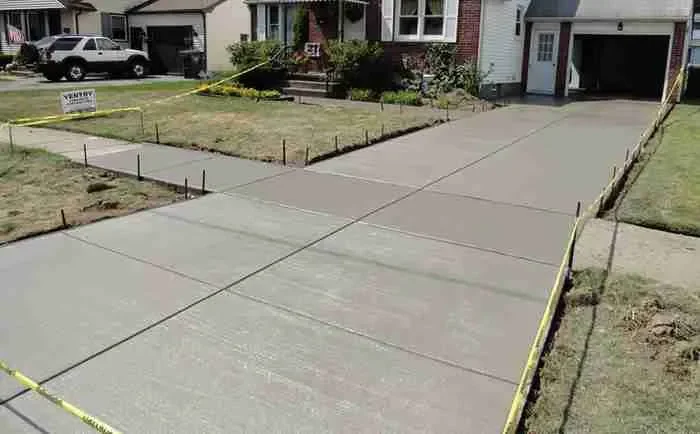
Concrete might look solid and unchanging once it’s poured, but in reality, it’s constantly reacting to its environment. In Edmonton, that environment is one of the harshest in the country. From deep winter freezes to rapid spring thaws and hot, dry summers, Edmonton’s weather puts concrete under year-round stress.If concrete isn’t designed, poured, and cured specifically for these conditions, cracks, scaling, and premature failure are almost guaranteed. This guide explains how Edmonton weather affects concrete, why problems happen, and what professional contractors do differently to make concrete last decades instead of years.Whether you’re planning a driveway, patio, sidewalk, or cribbing, understanding the climate is the first step to protecting your investment. Understanding Edmonton’s Climate Extremes Edmonton isn’t just “cold in winter and warm in summer.” What makes it especially challenging for concrete is the speed and frequency of temperature changes.Concrete expands, contracts, absorbs moisture, and releases it—all of which are intensified by Edmonton’s climate patterns. Edmonton Temperature Ranges Explained Edmonton regularly sees winter temperatures below -20°C, with cold snaps dropping even lower.In contrast, summer temperatures can climb above +30°C.That creates a massive annual temperature swing of more than 50 degrees. Concrete responds to these changes by expanding in heat and contracting in cold.While small movements are normal, repeated cycles cause internal stress—especially when moisture is involved.Over time, this stress shows up as cracking, surface flaking, and joint separation. Freeze–Thaw Cycles in Edmonton Freeze–thaw cycles are one of the biggest reasons concrete fails in Edmonton.A freeze–thaw cycle happens when temperatures move above and below 0°C, allowing water to freeze and thaw repeatedly inside the concrete.Edmonton can experience dozens of these cycles every year, especially during spring and fall. Each time water freezes, it expands by about 9%.Inside concrete, that expansion creates pressure.If the concrete isn’t designed to relieve that pressure, it slowly breaks down from the inside out. Snow, Ice, and De-Icing Chemicals Snow and ice alone aren’t the only problem.De-icing salts used on driveways, sidewalks, and walkways make things worse.These chemicals lower the freezing point of water, causing more frequent freeze–thaw cycles at the concrete surface. Over time, salts penetrate the concrete, break down the cement paste, and lead to surface scaling.This is why concrete that looks fine for the first year or two can suddenly start flaking badly by year three or four. How Cold Weather Affects Concrete Cold temperatures don’t just affect old concrete—they are especially dangerous for freshly poured concrete.Without the right precautions, winter and shoulder-season pours can permanently weaken the slab before it ever reaches full strength. Concrete Curing Below 5°C Concrete doesn’t “dry”—it cures through a chemical reaction called hydration.This reaction slows dramatically as temperatures drop.Below 5°C, curing becomes inefficient, and near freezing, it can nearly stop altogether. When curing slows: According to industry research, concrete cured at low temperatures can lose up to 20–40% of its potential strength if not properly protected during early curing. What Happens When Concrete Freezes Too Early Fresh concrete is especially vulnerable in its first 24–48 hours.If it freezes before reaching adequate strength (about 3.5 MPa), ice crystals form inside the mix.These crystals disrupt the cement structure and create micro-cracks that never fully heal. Even if the concrete appears hard on the surface later, internal damage may already be done.This leads to: Winter Pouring Risks vs Professional Mitigation Pouring concrete in Edmonton during colder months isn’t impossible—but it requires experience, planning, and the right equipment.Professional contractors adjust every step of the process to protect the concrete. Typical cold-weather mitigation strategies include: Without these measures, winter concrete pours often fail prematurely.This is one reason experienced Edmonton contractors stress that weather-specific concrete practices are not optional—they’re essential. As the American Concrete Institute notes, “Concrete exposed to freezing temperatures before adequate strength development may suffer permanent loss of durability.”That reality is magnified in Edmonton’s climate. Knowing the best seasons for pouring concrete in Edmonton helps prevent early freeze damage and long-term durability issues. Up next: we’ll break down how freeze–thaw cycles physically damage concrete over time, why air-entrained concrete is critical in Edmonton, and how summer heat creates a different—but equally serious—set of challenges. Freeze–Thaw Damage and Concrete Deterioration Once concrete has cured, Edmonton’s climate continues to test it year after year.The most destructive force at play is still the freeze–thaw cycle, which slowly weakens concrete from the inside.Understanding how this damage happens helps explain why some slabs last decades while others fail far too soon. How Water Enters Concrete Concrete is strong, but it is not waterproof.Even well-finished concrete contains microscopic pores that allow moisture to enter.In Edmonton, this moisture comes from snowmelt, rain, and ground moisture beneath slabs. Common entry points include: Once water is inside the concrete, temperature swings turn it into a destructive force. Expansion, Pressure, and Surface Failure When trapped water freezes, it expands by roughly 9%.If there’s no internal space to absorb that expansion, pressure builds.Over repeated freeze–thaw cycles, this pressure causes: This is why concrete in Edmonton often looks fine for the first few years, then suddenly begins to deteriorate.The damage builds internally long before it becomes visible. Why Air-Entrained Concrete Is Critical in Edmonton Air-entrained concrete is specifically designed to survive freeze–thaw environments like Edmonton.It contains billions of microscopic air bubbles that act as pressure relief zones when water freezes. These tiny air pockets: In Alberta’s climate, non-air-entrained concrete exposed to moisture will almost always fail prematurely.This is why experienced local contractors consider air entrainment non-negotiable for exterior flatwork. Managing water runoff and drainage around slabs is one of the most effective ways to protect concrete from Edmonton’s climate. How Summer Heat Affects Concrete in Edmonton While winter causes the most visible damage, Edmonton’s summers create their own set of concrete problems.Heat, wind, and low humidity can all interfere with proper curing if not managed correctly. Rapid Evaporation and Surface Cracking On hot, dry days, moisture can evaporate from fresh concrete too quickly.When this happens, the surface shrinks faster than the concrete beneath it, leading to plastic shrinkage cracking. These cracks often
Polished Concrete Floors: Modern Solutions
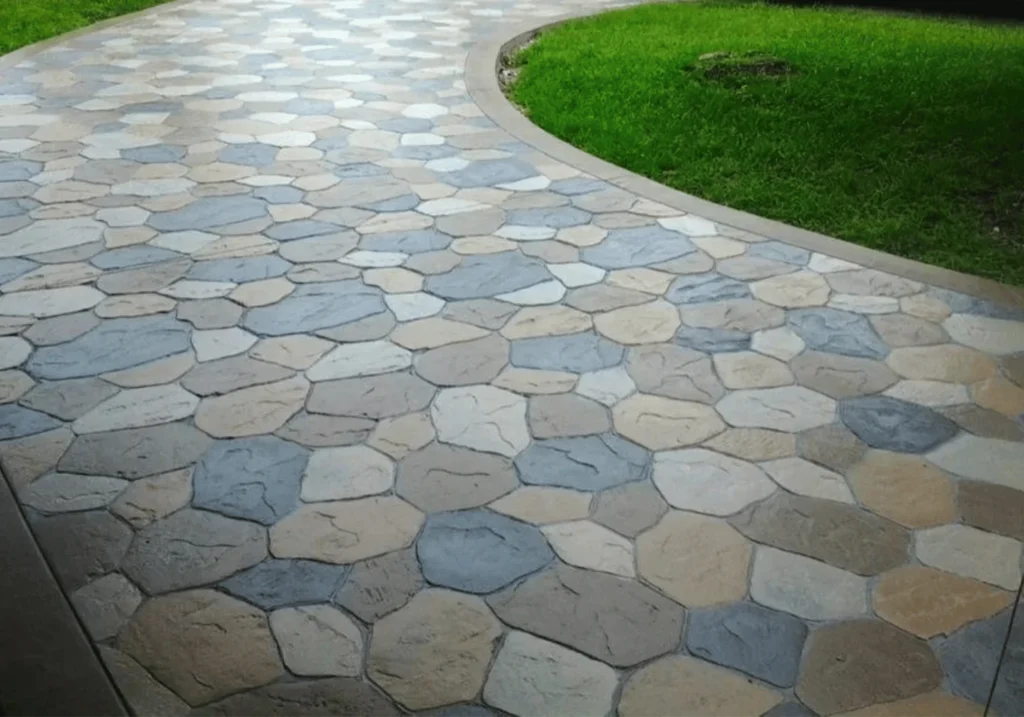
Flooring decisions are no longer just about durability—they’re about style, sustainability, and long-term value. In Edmonton, where temperature swings, moisture, and heavy use can quickly wear down traditional flooring, property owners are searching for smarter solutions. Polished concrete floors have emerged as a modern answer, offering a sleek appearance, exceptional strength, and low maintenance that fits both residential and commercial spaces. Once associated mainly with warehouses and industrial buildings, polished concrete has evolved into a design-forward flooring option trusted by architects, builders, and homeowners alike. In this guide, we’ll explore what polished concrete floors are, why they’re gaining popularity in Edmonton, and how they deliver lasting performance in Canada’s demanding climate. Introduction to Polished Concrete Floors Why Polished Concrete Is Gaining Popularity in Edmonton Edmonton property owners face unique challenges: freeze-thaw cycles, moisture migration through slabs, and high-traffic demands in both homes and commercial facilities. Polished concrete floors address these issues head-on. By mechanically grinding and refining the concrete surface, contractors create a dense, durable floor that resists cracking, dusting, and moisture-related damage. According to industry data from the American Society of Concrete Contractors, properly polished concrete can last 20–30 years or more with minimal maintenance—often outlasting vinyl, tile, and many coated flooring systems. For Edmonton homeowners and business owners focused on long-term value, that durability is a major selling point. From Industrial Roots to Modern Design Statement Historically, concrete floors were hidden under carpet, tile, or epoxy coatings. Today, exposed and polished concrete is celebrated for its clean lines and contemporary aesthetic. Designers now use polished concrete as a visual feature, pairing it with wood, steel, and glass to create modern interiors that feel both warm and refined. Retail stores, restaurants, and custom homes across Edmonton are embracing polished concrete for its ability to reflect light, enhance open-concept spaces, and deliver a high-end look without excessive materials. Addressing Common Flooring Challenges in Canadian Climates Traditional flooring materials can struggle in Canadian conditions. Hardwood may warp, tile grout can crack, and coatings can peel under temperature fluctuations. Polished concrete floors are different. Because the finish is part of the slab itself—not a layer applied on top—it moves naturally with the concrete and resists damage caused by seasonal expansion and contraction. For exterior areas where texture and drainage matter, open-pit aggregate concrete surfaces offer a rugged alternative to polished finishes while maintaining long-term durability. What Are Polished Concrete Floors? Definition and Core Characteristics Polished concrete floors are created by mechanically grinding a concrete slab using progressively finer diamond abrasives. The process densifies the surface, closes pores, and produces a smooth, reflective finish. The result is a floor that is hard-wearing, dust-resistant, and visually striking. Key characteristics include: Surface Densification Explained A critical step in polishing is the application of a concrete densifier—typically a lithium or sodium silicate solution. This material reacts chemically with the concrete to form additional calcium silicate hydrate, increasing surface hardness. Studies published in Concrete Construction Magazine show densified concrete surfaces can be up to 40% harder than untreated slabs. Mechanical Polishing vs. Coatings Unlike epoxy or acrylic coatings that sit on top of concrete, polished concrete is created through mechanical refinement. This means there’s no layer to peel, bubble, or delaminate over time—making it ideal for high-traffic Edmonton environments. How Polished Concrete Differs from Epoxy and Tile Epoxy floors rely on surface adhesion, which can fail if moisture rises through the slab. Tile introduces grout lines that require ongoing maintenance. Polished concrete eliminates these weaknesses by transforming the slab itself into the finished floor. Homeowners looking to personalize their interiors often explore transforming their home space with colored concrete, using dyes or stains to add warmth and character to polished floors. Benefits of Polished Concrete Flooring Exceptional Durability for High-Traffic Areas Polished concrete floors are engineered to handle heavy foot traffic, equipment loads, and daily wear. This makes them a popular choice for garages, basements, retail stores, warehouses, and busy households. Low Maintenance & Long-Term Cost Savings Maintenance typically involves simple dust mopping and occasional wet cleaning with a neutral cleaner. There’s no need for waxing, stripping, or recoating—saving property owners thousands of dollars over the life of the floor. Modern Aesthetic with Custom Finish Options From subtle matte finishes to high-gloss, mirror-like surfaces, polished concrete offers flexibility that few flooring options can match. Aggregate exposure levels and color treatments allow each floor to be customized to the space. Moisture Resistance & Thermal Performance In Edmonton basements and slab-on-grade homes, moisture control is critical. Polished concrete’s low permeability helps manage vapor transmission, reducing mold risk and improving indoor air quality. Sustainable & Eco-Friendly Flooring Choice Because polished concrete uses the existing slab, it reduces the need for additional materials. The U.S. Green Building Council recognizes polished concrete as a sustainable flooring option that can contribute to LEED credits through material reuse and improved light reflectivity. Polished Concrete Floor Finishes & Design Options Levels of Gloss (Matte, Satin, High-Gloss) Gloss levels are controlled by the final grit used in polishing. Matte finishes offer a soft, understated look, while high-gloss floors maximize light reflection—often reducing the need for artificial lighting in commercial spaces. Aggregate Exposure Levels Cream Finish This finish exposes minimal aggregate, showcasing the natural cement paste. It’s popular in modern homes and offices for its smooth, minimalist appearance. Salt-and-Pepper Finish A light grind reveals fine aggregate, creating subtle texture and visual interest without overwhelming the space. Full Aggregate Finish Deeper grinding exposes larger stones within the concrete, resulting in a terrazzo-like look often used in commercial or architectural applications. Decorative Enhancements Concrete Dyes & Stains Dyes and stains allow for customized color tones—from warm earth hues to bold contemporary shades—without compromising durability. Saw Cuts, Patterns & Borders Decorative saw cuts can mimic large tile layouts or add geometric patterns, enhancing visual appeal while maintaining a seamless surface. Anti-Slip Treatments For safety-sensitive areas, anti-slip additives can be incorporated without sacrificing the clean look of polished concrete floors. Polished Concrete for Residential Spaces Living Rooms, Kitchens & Basements
Exposed Aggregate Concrete: Complete Guide
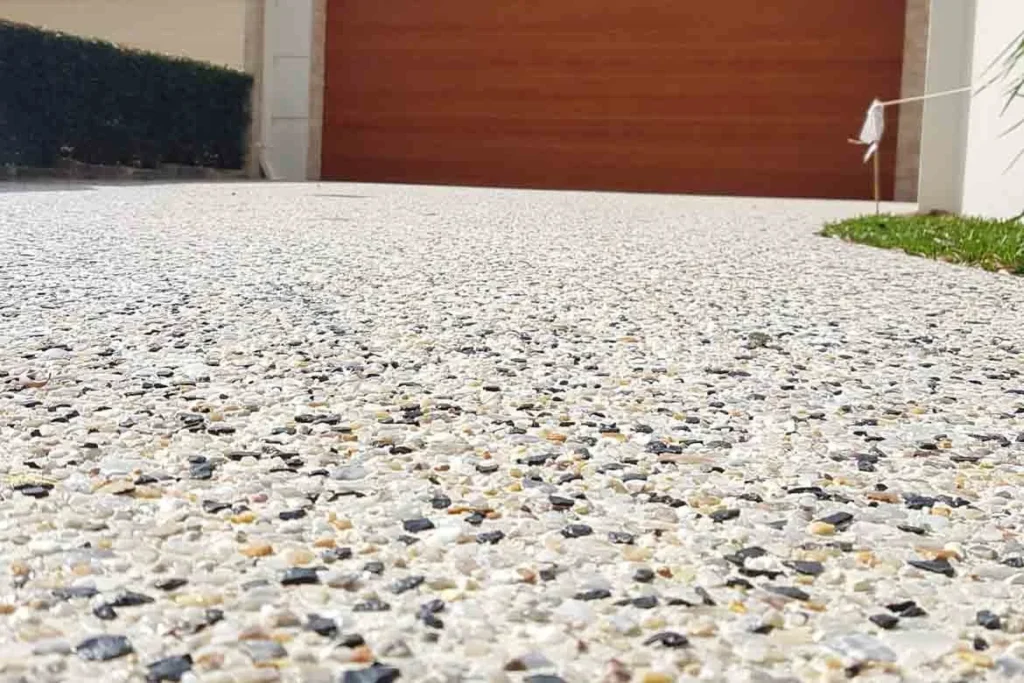
Exposed aggregate concrete has become one of the most popular decorative concrete finishes in Edmonton—and for good reason. Homeowners and builders across Alberta want outdoor concrete surfaces that are not only durable enough to handle harsh freeze-thaw cycles, but also visually appealing and safe underfoot. Plain gray concrete often falls short on curb appeal, while more decorative options can feel high-maintenance or overly expensive. Exposed aggregate concrete offers a balanced solution. It combines the structural strength of traditional concrete with the natural beauty of stone, delivering a textured, non-slip surface that performs exceptionally well in Edmonton’s climate. In this complete guide, we’ll walk you through what exposed aggregate concrete is, how it’s made, and why it’s such a smart investment for driveways, patios, walkways, and commercial spaces. What Is Exposed Aggregate Concrete? At its core, exposed aggregate concrete is a decorative concrete finish where the top layer of cement paste is carefully removed to reveal the natural stone and aggregate embedded within the concrete mix. Instead of a smooth or broomed surface, you see—and feel—the texture of gravel, crushed stone, or decorative rock. Definition & Basic Concept Standard concrete is made from cement, sand, water, and aggregate (stone). In most finishes, the aggregate remains hidden beneath the surface. With exposed aggregate concrete, contractors intentionally expose these stones after the concrete is placed, creating a textured, visually interesting finish. This process doesn’t weaken the concrete. In fact, the exposed surface often improves traction and durability, making it ideal for outdoor applications like driveways and sidewalks where safety and longevity matter. A Brief History of Exposed Aggregate Finishes Exposed aggregate finishes have been used in architectural and landscape concrete for decades. They became especially popular in public spaces—such as plazas, sidewalks, and commercial entrances—because they offered slip resistance and a refined appearance without sacrificing strength. In recent years, exposed aggregate concrete has surged in popularity in residential construction across Canada, particularly in cities like Edmonton where weather resistance is critical. Modern tools, surface retarders, and sealing technologies now allow for more consistent finishes and greater design flexibility than ever before. How Exposed Aggregate Concrete Is Made Creating high-quality exposed aggregate concrete requires experience, precision, and the right timing. While the finished product looks natural and effortless, the process behind it is anything but accidental. Concrete Mix Design The foundation of any exposed aggregate surface starts with the concrete mix itself. In addition to cement, sand, and water, special attention is given to the aggregate selection. The choice of aggregate affects not only the appearance but also the slip resistance and overall feel of the surface. Experienced contractors adjust the mix design to ensure proper strength while achieving the desired visual effect. Placement & Finishing Process Once the concrete is poured, it is carefully leveled and compacted. This stage looks similar to standard flatwork, but timing becomes especially critical. The surface must be finished evenly without overworking the concrete, which could push aggregate too deep below the surface. In Edmonton’s variable weather conditions, temperature and humidity play a major role. Skilled crews monitor curing time closely to ensure the next step—exposing the aggregate—happens at precisely the right moment. Surface Exposure Techniques There are several proven methods used to expose the aggregate, often combined depending on project size and conditions. Chemical Surface Retarders A surface retarder is sprayed onto the fresh concrete to slow the setting of the top layer. This allows contractors to wash away the surface cement later without affecting the concrete underneath. Water Washing & Brushing After the concrete has partially set, water and stiff brushes are used to gently remove the top layer of cement paste, revealing the aggregate beneath. This step requires experience—too early or too late can ruin the finish. Mechanical Exposure (Light Grinding) In some cases, light grinding is used after curing to achieve a more uniform exposure. This method is often applied in commercial or architectural projects where consistency is critical. Curing & Sealing Proper curing is essential for long-term performance, especially in Edmonton’s freeze-thaw environment. Once the desired exposure is achieved, the concrete is allowed to cure fully before being sealed. Sealing exposed aggregate concrete enhances color, protects against moisture penetration, and extends the lifespan of the surface. According to industry guidelines from organizations like the American Concrete Institute (ACI), sealing decorative concrete significantly improves resistance to de-icing salts and surface wear. Benefits of Exposed Aggregate Concrete Exposed aggregate concrete isn’t just about looks—it delivers real, practical advantages that make it one of the best outdoor concrete finishes for Edmonton properties. Superior Slip Resistance One of the biggest advantages of exposed aggregate concrete is its naturally textured surface. Unlike smooth concrete, the exposed stone provides excellent traction, reducing the risk of slips and falls. This is especially important in Edmonton, where snow, ice, and moisture are part of daily life for much of the year. Many homeowners choose exposed aggregate for driveways and walkways specifically for its added safety. Enhanced Aesthetic Appeal Exposed aggregate concrete offers a timeless, natural appearance that complements both modern and traditional architecture. With a wide variety of aggregate colors and stone types available, each surface has a unique look. Unlike stamped concrete, which relies on patterns and surface coloring, exposed aggregate achieves its beauty from real materials—stone and texture that won’t fade or peel over time. Exceptional Durability in Edmonton’s Climate When installed correctly, exposed aggregate concrete performs exceptionally well in Alberta’s demanding conditions. The surface resists wear, handles freeze-thaw cycles, and stands up to vehicle traffic with minimal maintenance. Industry data shows that properly installed and sealed decorative concrete surfaces can last 30 years or more, making exposed aggregate a long-term investment rather than a short-term upgrade. “Exposed aggregate concrete combines durability with design, making it one of the most resilient decorative finishes for cold climates,” notes many concrete professionals working in northern regions. Up next: In the second half of this guide, we’ll explore common applications of exposed aggregate concrete in Edmonton, compare it to other concrete
Stamped Concrete Edmonton: Patterns, Colors & Cost
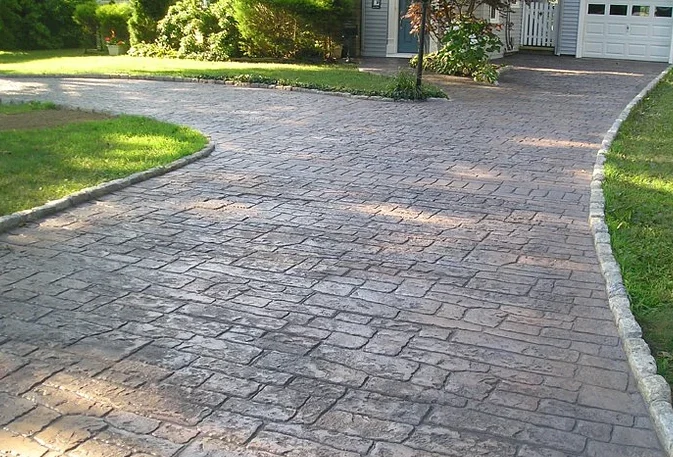
Stamped concrete has become one of the most popular decorative concrete solutions for homeowners and property developers across Edmonton. From modern patios to durable driveways and stylish walkways, stamped concrete offers the visual appeal of natural stone, brick, or wood—without the high cost or maintenance. However, many Edmonton homeowners struggle with the same questions: Which pattern looks best? What colors hold up in Alberta’s climate? And how much does stamped concrete actually cost in Edmonton? This in-depth guide is designed to answer those questions clearly and honestly. Drawing on real-world experience installing stamped concrete in Edmonton’s challenging freeze–thaw conditions, we’ll walk you through patterns, colors, durability considerations, and pricing—so you can make a confident, informed decision for your property. What Is Stamped Concrete? (And Why It’s Popular in Edmonton) Stamped concrete is freshly poured concrete that is textured, patterned, and colored before it fully cures. Specialized stamping mats are pressed into the surface to replicate the look of materials such as natural stone, slate, brick, cobblestone, or even wood planks. Once sealed, the surface becomes both decorative and highly durable. In Edmonton, stamped concrete is especially popular because it provides a balance between aesthetics and performance. With proper base preparation and sealing, stamped concrete can withstand Alberta’s harsh winters, heavy snow loads, and repeated freeze–thaw cycles—conditions that can quickly damage inferior materials. How Stamped Concrete Is Made The stamped concrete process requires precision, timing, and experienced crews. Unlike plain concrete, there is little margin for error. For homeowners who prefer a more textured, stone-rich surface, open-air aggregate concrete finishes are another decorative option commonly used for Edmonton driveways and walkways. According to the American Concrete Institute (ACI), proper curing and sealing are critical factors in extending the lifespan of decorative concrete, particularly in cold climates like Northern Alberta. Key Benefits of Stamped Concrete for Edmonton Properties Stamped concrete isn’t just about appearance—it’s a practical choice for Edmonton homes. Popular Stamped Concrete Patterns in Edmonton Choosing the right stamped concrete pattern is one of the most important design decisions. In Edmonton, homeowners tend to favor patterns that complement both modern and traditional architecture while hiding wear from snow removal and foot traffic. Stone & Slate Patterns Stone-inspired patterns remain the most requested option for stamped concrete patios and walkways in Edmonton. These patterns are ideal for patios, pool decks, and backyard living spaces where visual impact matters most. Brick & Cobblestone Patterns Brick and cobblestone stamped concrete patterns are commonly used for driveways and front walkways in older or character neighborhoods across Edmonton. Because these patterns include deeper textures, they also help improve traction during wet or icy conditions. Wood Plank Stamped Concrete Wood plank stamped concrete has surged in popularity over the past decade. It replicates the look of hardwood decking while eliminating concerns about rot, warping, or splinters. This pattern is commonly used for patios, steps, and outdoor entertaining areas, especially where homeowners want a warm, natural look with minimal maintenance. Stamped Concrete Colors That Work Best in Edmonton Color selection is more than an aesthetic choice—it directly affects heat absorption, fading, and long-term appearance. In Edmonton’s climate, practical color choices can significantly extend the life and beauty of stamped concrete. Popular Earth Tones and Natural Shades Earth-toned colors dominate stamped concrete projects in Edmonton because they complement both contemporary and traditional homes. These colors also help mask minor surface wear and are less prone to noticeable fading. Multi-Tone and Antique Coloring Techniques To achieve a realistic stone or wood appearance, professional installers often combine integral color with release agents or accent stains. This creates depth, contrast, and natural variation—key to avoiding a flat, artificial look. As one decorative concrete specialist from Concrete Network notes, “Layered color systems are what separate high-end stamped concrete from basic installations.” Choosing Colors for Snow, Ice, and Sun Exposure In Edmonton, darker colors absorb more heat and can help melt snow slightly faster in sunny conditions. However, extremely dark tones may show salt residue more easily. Lighter neutrals often provide the best balance between performance and appearance. Key takeaway: Always choose stamped concrete colors based on both design goals and Edmonton’s seasonal realities. In the next section, we’ll break down stamped concrete cost in Edmonton, including real pricing ranges, what affects the final price, and how stamped concrete compares to other decorative concrete options. Stamped Concrete Cost in Edmonton (2025 Pricing Guide) One of the most common questions homeowners ask is, “How much does stamped concrete cost in Edmonton?” While stamped concrete is more expensive than plain broom-finished concrete, it is often far more affordable than natural stone or interlocking pavers—especially when long-term maintenance is considered. Average Stamped Concrete Prices in Edmonton In the Edmonton area, stamped concrete typically costs: These prices generally include site preparation, forming, reinforcement, concrete placement, stamping, coloring, and sealing. What Affects the Cost of Stamped Concrete? Several factors influence the final price of a stamped concrete project in Edmonton: Stamped Concrete vs Other Decorative Concrete Options Surface Type Average Cost (Edmonton) Maintenance Level Durability Plain Concrete $8–$12 / sq ft Low High Stamped Concrete $18–$35 / sq ft Medium Very High Exposed Aggregate $14–$22 / sq ft Medium High Pavers / Stone $30–$50+ / sq ft High Medium–High For many Edmonton homeowners, stamped concrete offers the best balance between visual appeal, durability, and cost. While stamped concrete dominates outdoor applications, many Edmonton homeowners pair it with polished concrete as a modern flooring solution inside garages, basements, or contemporary living spaces. Best Uses for Stamped Concrete in Edmonton Stamped concrete is incredibly versatile and can be used across residential and commercial properties throughout Edmonton. Stamped Concrete Driveways Stamped concrete driveways create a striking first impression while standing up to vehicle loads and winter conditions. Proper reinforcement, control joints, and sealing are essential to ensure long-term performance. Many Edmonton homeowners choose stamped concrete driveways with subtle patterns and neutral colors to maintain curb appeal year-round. Patios, Walkways & Outdoor Living Spaces Stamped concrete patios and walkways are among the
Colored Concrete Options: Transform Your Property
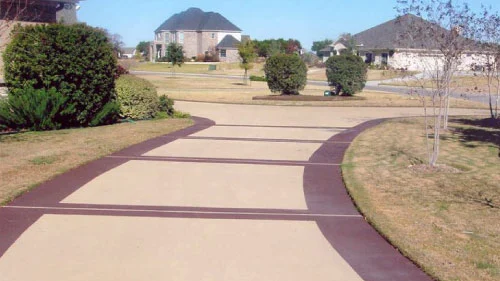
Plain grey concrete used to be the default choice for driveways, patios, and walkways—but today, property owners across Edmonton are looking for more. They want surfaces that are not only strong and long-lasting, but also visually striking and aligned with modern design trends. That’s where colored concrete options come in. From warm earth tones to contemporary charcoal and custom blends, colored concrete allows homeowners and commercial property owners to elevate curb appeal without sacrificing durability. When installed correctly and designed for Alberta’s demanding freeze-thaw climate, colored concrete can outperform many traditional paving materials while delivering a premium aesthetic. In this guide, we’ll break down everything you need to know about colored concrete—how it works, the main types available, and which options perform best in Edmonton conditions. Drawing on real-world experience from local concrete projects, this article is designed to help you make confident, informed decisions before investing in your next concrete surface. What Is Colored Concrete? Colored concrete is concrete that has been enhanced with pigments, stains, or dyes to achieve a specific color or tone. Unlike surface coatings such as paint, most professional color systems are designed to integrate with the concrete itself, ensuring long-term performance and resistance to peeling or flaking. According to the American Concrete Institute (ACI), integrally colored and properly sealed decorative concrete can maintain its appearance for decades when installed and maintained correctly. This makes colored concrete a practical solution for both residential and commercial applications. How Concrete Color Is Achieved Concrete color can be introduced at different stages of the installation process. The method used has a direct impact on appearance, consistency, cost, and long-term durability. Each method has its own advantages, and the right choice depends on how the concrete will be used, exposed, and maintained. Colored Concrete vs Plain Grey Concrete While standard grey concrete is functional, it offers limited design flexibility. Colored concrete, on the other hand, enhances both aesthetics and perceived property value. Feature Plain Concrete Colored Concrete Visual appeal Minimal High – customizable colors Design flexibility Low Wide range of styles Maintenance needs Low Low to moderate (sealing) Property value impact Neutral Positive For many Edmonton homeowners, the modest additional investment in color delivers long-term aesthetic and resale benefits that far outweigh the initial cost difference. Main Types of Colored Concrete Options Not all colored concrete is created equal. Understanding the primary options available will help you choose a solution that fits your design goals, budget, and local climate requirements. Integral Color Concrete (Full-Depth Color) Integral color concrete is one of the most durable and consistent coloring methods available. Pigments are blended directly into the concrete mix at the batching stage, ensuring uniform color throughout the entire slab. Because the color runs through the full depth of the concrete, minor surface wear or small chips are far less noticeable compared to surface-applied treatments. Best uses include: In Edmonton’s freeze-thaw environment, integral color concrete performs exceptionally well when combined with air-entrained mixes and professional sealing. Many contractors prefer this option for exterior slabs exposed to de-icing salts and heavy traffic. Concrete Stains (Acid-Based and Water-Based) Concrete stains are applied after the slab has cured and work by penetrating the surface. Acid-based stains react chemically with the minerals in concrete, producing rich, natural tones with unique variation. Water-based stains offer more predictable color results and a wider color palette. This variation is often considered a design feature rather than a flaw, making stains ideal for homeowners seeking a natural, stone-like appearance. Common applications: However, stains rely heavily on proper surface preparation and sealing. In harsh winter climates, professional installation is essential to prevent uneven absorption and premature wear. Concrete Dyes Concrete dyes use ultra-fine pigments that penetrate deeply into the surface, delivering vibrant and consistent color. Unlike stains, dyes do not chemically react with the concrete, which allows for more control over the final appearance. Dyes are especially popular for modern designs and interior applications where bold or uniform color is desired. Key considerations: When properly sealed, dyed concrete can perform well, but it is generally less forgiving than integral color when exposed to constant UV and weather extremes. Colored Stamped Concrete Colored stamped concrete combines texture and color to replicate materials such as natural stone, slate, brick, or tile. This system often uses a base integral color with a secondary color release applied during stamping to add contrast and depth. This option is frequently chosen for high-visibility areas where appearance is a top priority. Popular uses include: Because stamped concrete relies on surface detailing, professional sealing and periodic maintenance are critical—especially in Edmonton’s climate. When done correctly, stamped colored concrete can deliver a premium look with the structural strength of concrete. For areas where traction and texture matter more than color uniformity, open-pit aggregate concrete provides a durable alternative that performs exceptionally well in Edmonton’s freeze-thaw conditions. Up next: In the second half of this guide, we’ll explore the most popular colored concrete applications in Edmonton, how to choose the right color for Alberta’s climate, cost considerations, maintenance tips, FAQs, and expert advice on working with a trusted local concrete contractor. Popular Colored Concrete Applications in Edmonton One of the biggest advantages of colored concrete is its versatility. With the right mix design and finishing method, it can be used across residential, commercial, and light industrial projects throughout Edmonton. Choosing the right application ensures both visual impact and long-term performance. Colored Concrete Driveways Driveways are one of the most common applications for colored concrete in Edmonton. They experience constant vehicle traffic, temperature swings, snow buildup, and exposure to de-icing salts—making durability critical. Integral color concrete is typically the best option for driveways because the color runs through the entire slab. If surface wear occurs over time, the appearance remains consistent rather than patchy. For homeowners looking to balance curb appeal with practicality, colored concrete driveways offer a clean, upscale look without the maintenance demands of pavers or exposed stone. Patios & Outdoor Living Spaces Patios are where colored concrete
Concrete Sealing Edmonton: Weather Protection Guide (2026)
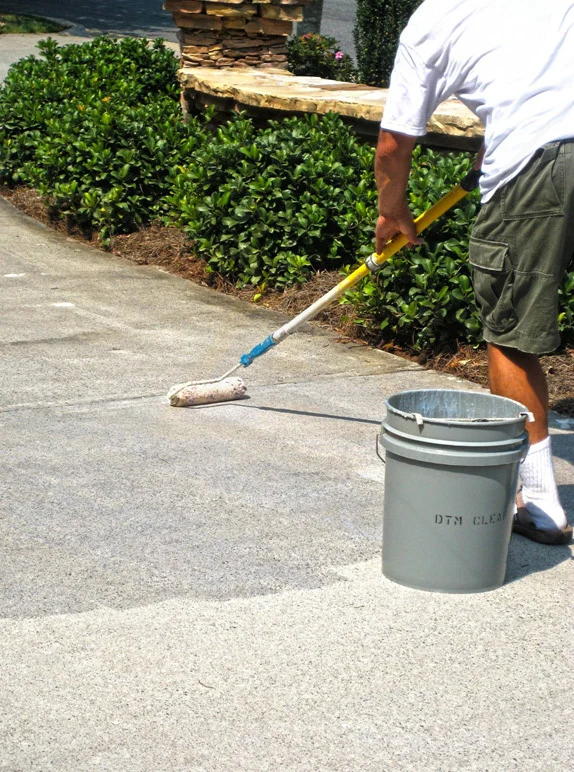
Concrete sealing in Edmonton protects driveways, patios, sidewalks, and slabs from freeze-thaw damage, moisture intrusion, and de-icing salts—extending concrete lifespan year-round.
Winter Concrete Damage Prevention (2026 Reliable Guide)
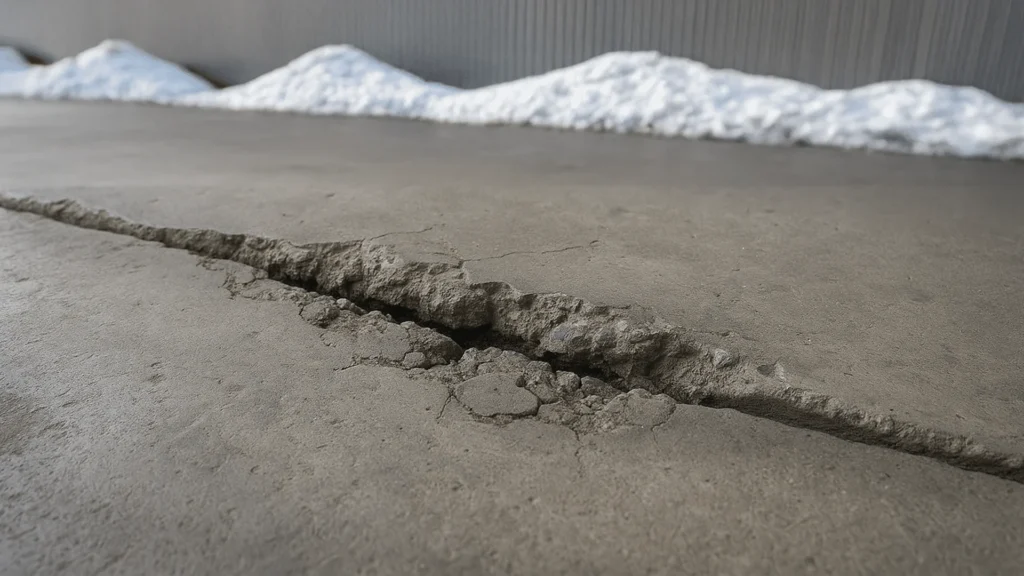
Winter concrete damage prevention helps protect concrete from cracking, scaling, and costly repairs caused by freeze-thaw cycles, moisture, and de-icing salts during harsh winter conditions.
Concrete Resurfacing vs Replacement Reliable Guide (2026)
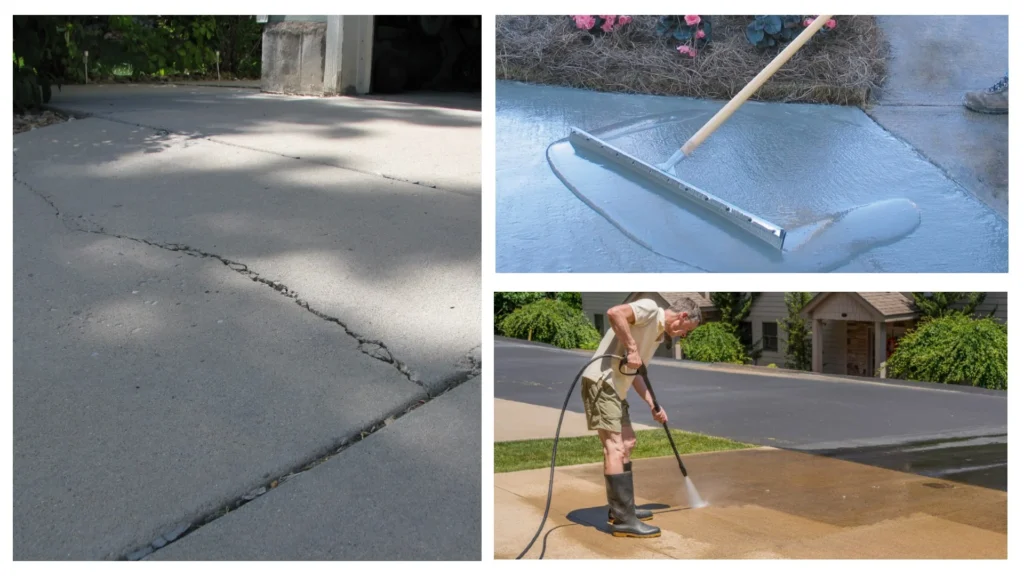
Concrete resurfacing vs replacement is a critical decision for Edmonton homeowners facing cracked, uneven, or aging concrete. This guide explains the key differences, costs, lifespan, and climate considerations to help you choose the right long-term solution for your property.