
Concrete Resurfacing vs Replacement Reliable Guide (2026)
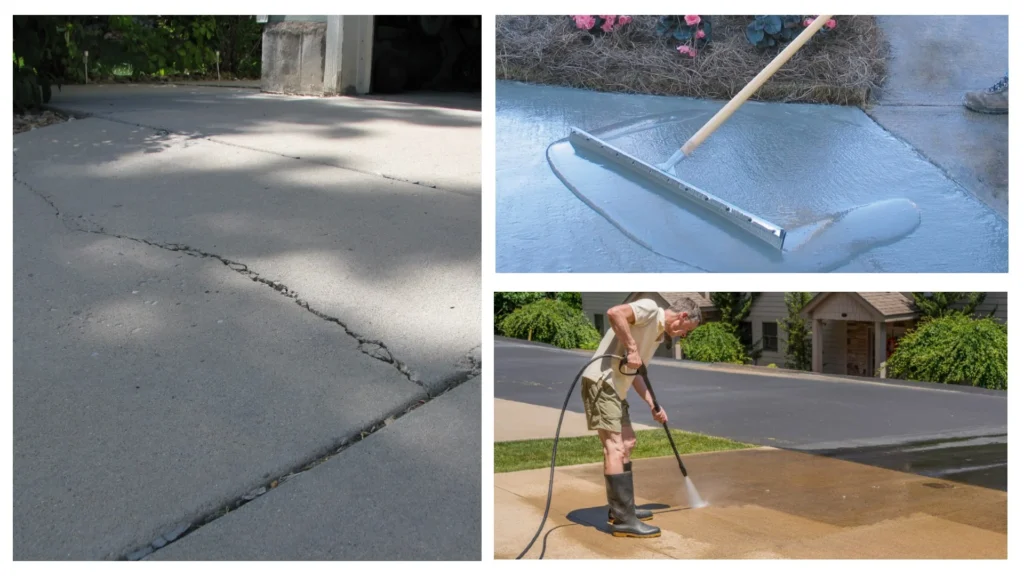
Concrete resurfacing vs replacement is a critical decision for Edmonton homeowners facing cracked, uneven, or aging concrete. This guide explains the key differences, costs, lifespan, and climate considerations to help you choose the right long-term solution for your property.
Industrial Concrete Warehouse Floors: Design Standards for Forklifts & Loading Docks (2026 Free Guide)
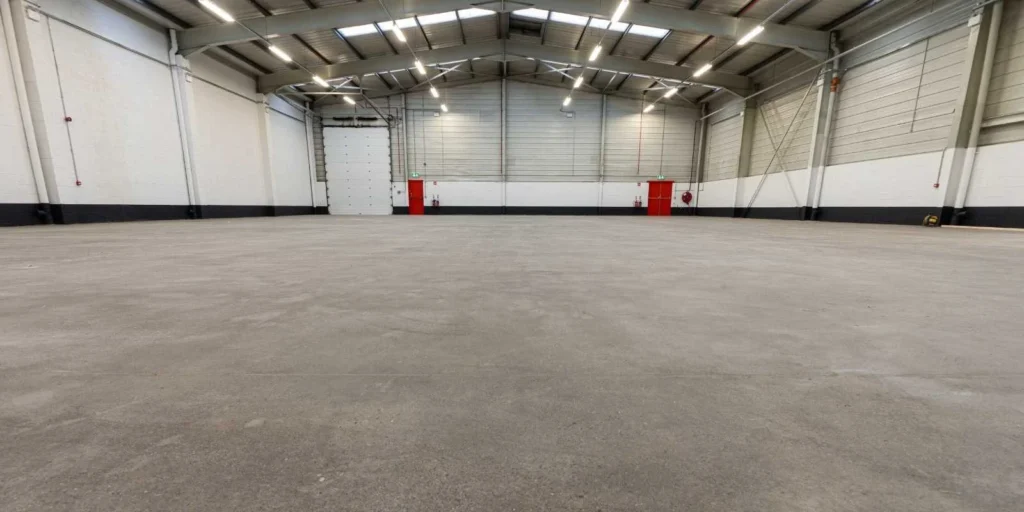
Industrial concrete warehouse floors are designed to handle heavy forklift traffic, racking loads, and constant daily wear in demanding industrial environments. Warehouse concrete looks “simple” until the first winter, the first busy season, or the first week of forklift traffic. Then the real questions show up: Why is the floor dusting? Why are joints breaking at the edges? Why does a lift truck feel like it’s hopping over every panel line? Here’s the problem: many industrial concrete failures aren’t caused by the concrete mix alone. They come from what happens before the pour (subgrade and moisture planning), during the pour (finishing windows and flatness control), and after the pour (curing, joint protection, and early traffic timing). Industry guides like ACI’s floor and slab recommendations emphasize that quality floors depend on site prep, joint details, workmanship, and curing—not just “higher strength.” In this Edmonton-focused guide, you’ll learn how industrial concrete warehouse floors and loading docks are designed to handle forklift traffic, racking loads, impact zones, and Canadian freeze-thaw conditions—plus what to specify and inspect so you avoid costly rework. What “Industrial Concrete” Really Means for Warehouses & Docks Warehouse Floors vs. Loading Docks: Two Different Stress Profiles Warehouse floors are all about rolling loads and precision. Forklifts apply repeated wheel loads, turning forces, and abrasion day after day. Racking systems add concentrated “point loads” where posts bear directly onto the slab. And if you run narrow-aisle equipment or high-bay racking, floor flatness becomes a performance requirement—not a nice-to-have. ACI’s slab-on-ground design guidance explicitly covers loads from stored materials, rack loads, and static/dynamic equipment traffic. Loading docks are the opposite: fewer square feet, but far more punishment per foot. Docks and aprons get impact from trailers, repeated axle loads, plow scrapes, wet freeze-thaw cycling, and de-icing salts. That’s why exterior dock concrete needs a durability strategy, proper drainage, and strong edge detailing—especially in Edmonton’s seasonal swings. Common Use Cases in Edmonton Industrial Facilities Key Performance Outcomes You’re Actually Buying Industrial concrete is about measurable outcomes. If you’re clear about these up front, you can design the slab, joints, and finish to match the building’s real use. Comparison: Warehouse Floor vs. Loading Dock Concrete (At a Glance) Category Warehouse Floors Loading Docks & Aprons Primary Stress Forklift rolling loads, racking point loads Impact, truck loads, plow/salt, freeze-thaw Top Failure Risk Joint spalling, curling, dusting, flatness issues Scaling, edge breaks, ponding water, settlement Key Spec Focus FF/FL, joint layout, load transfer, surface hardening Drainage slope, durability, edge detailing, air-void system (often) Best ROI Detail Joint protection for hard-wheel traffic Drainage + freeze-thaw-resistant concrete practices Pre-Construction Planning: Specs That Prevent Expensive Rework Start With Loads: Forklifts, Racking, and Point Load Reality If you only remember one thing: the slab is a structural system, not just a surface. That system includes the concrete, the base, and how loads transfer across joints. ACI’s slabs-on-ground guidance highlights that industrial slabs must be designed for stored materials on the slab, rack loads, and vehicle/equipment loads. Practical planning questions we ask on Edmonton projects: Flatness/Levelness Targets: Standard vs. High-Performance Floors Flatness is one of those details you don’t notice—until you really need it. FF (floor flatness) and FL (floor levelness) are standardized measurements derived from elevation readings and calculated using ASTM E1155. Why it matters: Friendly rule of thumb: if you’re running high-bay racking, narrow aisles, or precision automation, bring flatness requirements into the conversation early—because flatness is strongly influenced by pour strategy and finishing method, not by “fixing it later.” (Industry resources note that higher FF/FL numbers represent better flatness/levelness and are evaluated soon after placement.) Joint Strategy: Fewer Joints vs. “Joints Done Right” Joints are where industrial floors either behave beautifully—or start to fall apart under hard wheels. The goal isn’t “no joints.” The goal is planned movement with protected edges. ACI’s floor guidance calls out a key reality for warehouses: areas subject to hard-wheel material-handling traffic should use a semi-rigid filler to help minimize wear and damage at joint edges. “Floor areas subject to the hard wheels of material-handling vehicle traffic should be filled with a semi-rigid filler to minimize wear and damage to joint edges.” What “joints done right” typically includes: Moisture Plan: Vapor Barriers, Drainage, and Coating Compatibility Moisture is the “silent influencer” of industrial floor performance. It impacts dusting, curling, and whether coatings or densifiers stay bonded long-term. If you plan to coat the slab (epoxy/urethane systems), moisture control becomes even more important because moisture vapor can push against coatings from below and lead to failures if not tested and addressed. For loading docks and exterior aprons, moisture planning also means drainage: water that ponds and refreezes near dock edges accelerates surface damage and safety risks. Cold Weather & Seasonal Pour Planning (Edmonton Reality) Edmonton pours often happen across big temperature swings. That changes your finishing window and your strength-gain timeline. The solution isn’t guesswork—it’s a plan: temperature management, curing strategy, and realistic schedules so the slab isn’t forced into early traffic before it’s ready. One practical benchmark used in curing discussions: ACI curing guidance is often referenced as targeting substantial early strength before curing ends (commonly discussed around achieving a significant portion of design strength), which underscores why curing and protection are not optional on industrial work. Subgrade & Base Prep: The Hidden Make-or-Break Layer Soils, Compaction, and Proof-Rolling If a warehouse floor fails, people blame the concrete. But many of the worst problems start below it. A slab-on-grade is only as stable as the ground supporting it. ACI’s slabs-on-ground guidance emphasizes that slabs must accommodate movement, minimize shrinkage cracking, and resist applied loads—none of that works if the base is inconsistent. In real-world Edmonton projects, subgrade issues often show up as: Good prep means consistent compaction, stable grades, and verification steps (including proof-rolling or other checks depending on the project). It’s not glamorous—but it’s usually the best money you’ll spend. Granular Base Thickness and Material Selection The granular base isn’t just “gravel under concrete.” It has a job: In industrial settings,
Commercial Concrete Contractors in Edmonton: 2026 Reliable Guide
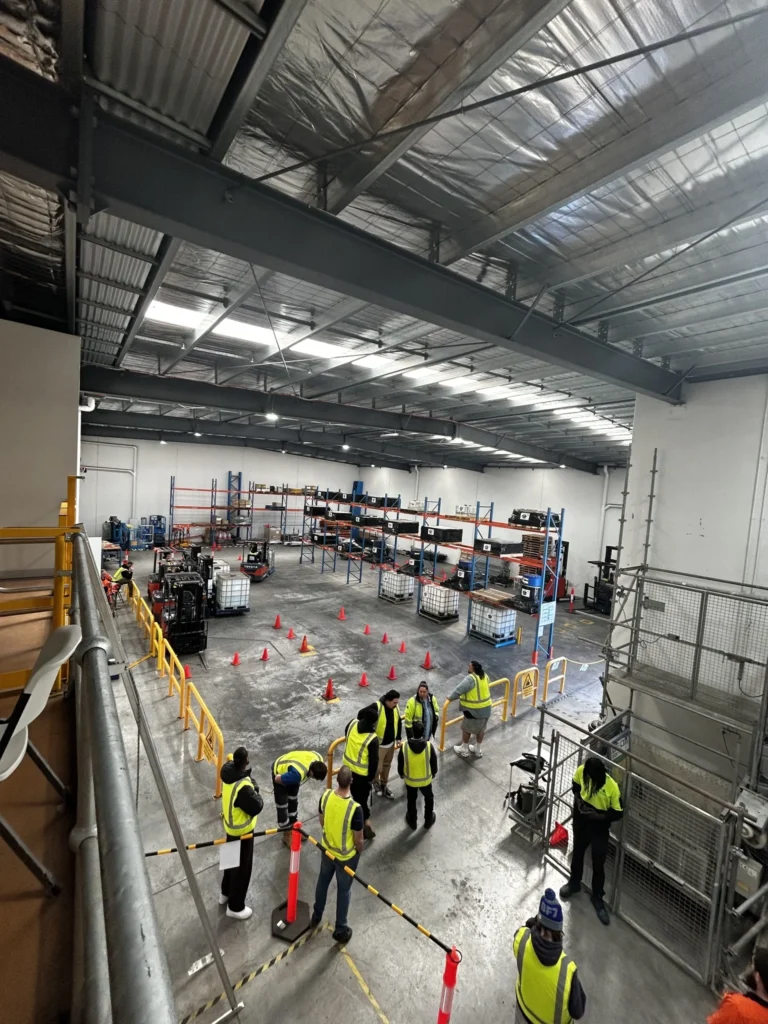
Commercial concrete contractors in Edmonton provide professional flatwork, slabs, parking areas, and loading aprons built for heavy loads and harsh freeze-thaw conditions. This practical guide helps property owners and developers choose the right contractor, understand the commercial concrete process, and avoid costly mistakes.
Parking Lot Concrete Installation & Repair In Edmonton (2026 Free Guide)
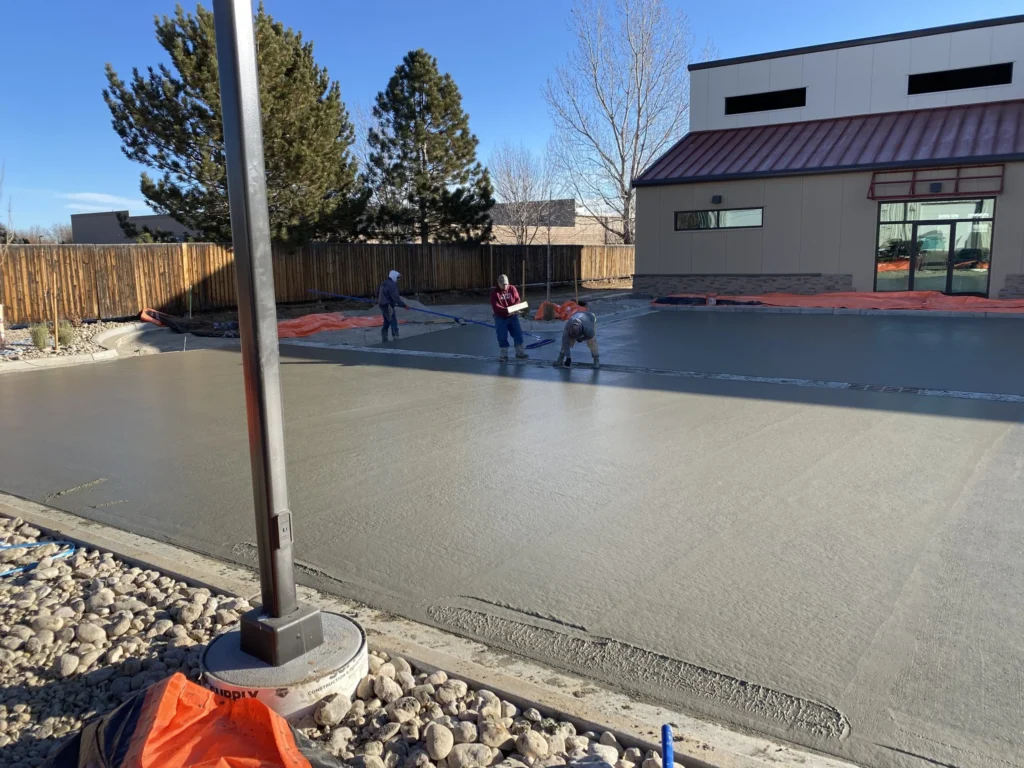
Parking lot concrete installation & repair in Edmonton requires proper base preparation, drainage, and freeze–thaw durability. This guide explains common failure causes, repair options, replacement decisions, costs, and best practices for long-lasting commercial parking lots.
Garage Pads In Edmonton: Installation, Cost & Maintenance (Reliable Guide 2025)
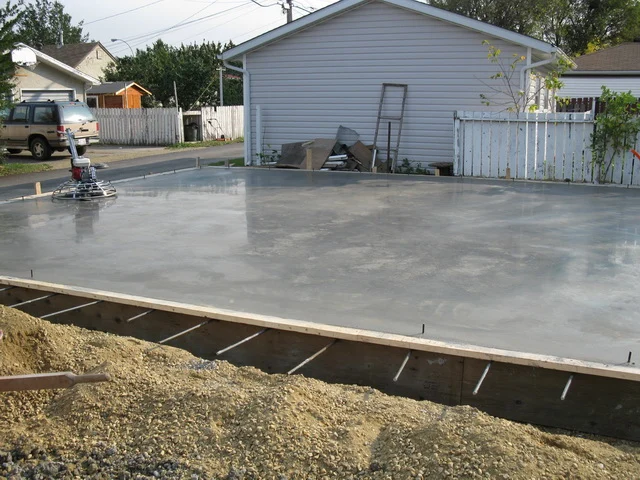
Garage pads in Edmonton must be built to handle freeze-thaw cycles, heavy vehicle loads,
and Alberta soil conditions. Learn design options, installation steps, and cost factors.
Concrete Patios In Edmonton: Design Ideas & Installation (Free 2025 Guide)
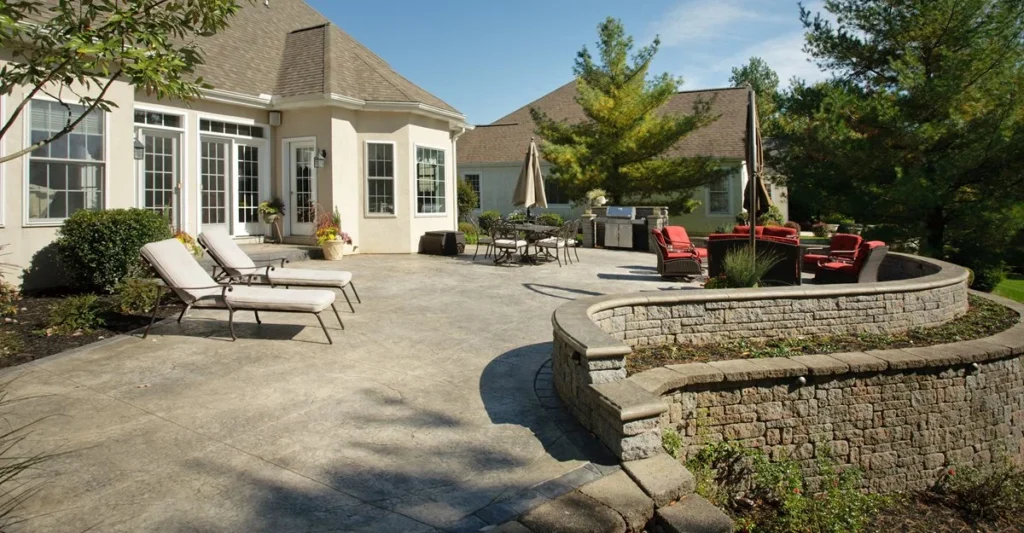
Concrete patios in Edmonton offer durable, low-maintenance outdoor living spaces
built to withstand freeze-thaw cycles and Alberta’s extreme climate conditions.
Concrete Sidewalk And Walkway Services in Edmonton (2025 Free Guide)
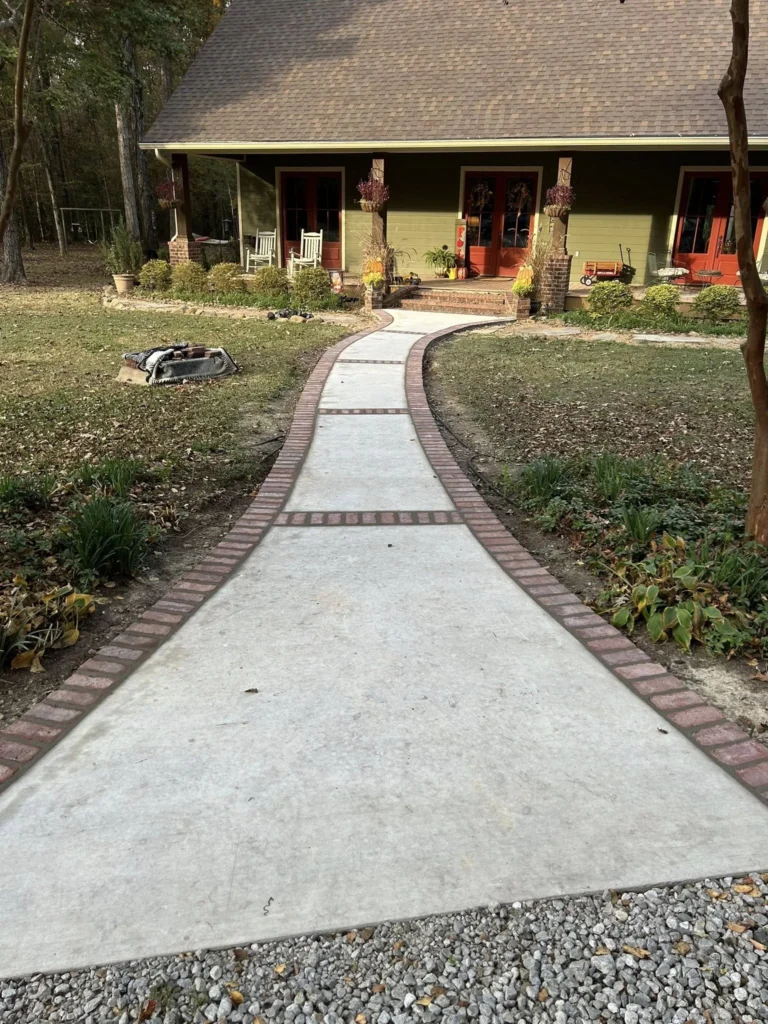
Concrete Sidewalk & Walkway Services in Edmonton built for Alberta’s freeze-thaw climate.
Durable, safe, and code-compliant concrete solutions for residential and commercial properties.
Concrete Hot Tub Pads and BBQ Kitchen Slabs in Edmonton: Things Homeowners Must Know (2026 Free Guide)
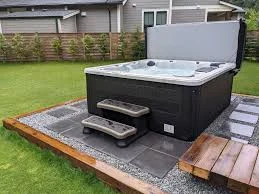
Hot tub pads and BBQ kitchen slabs in Edmonton must be built to handle heavy loads and extreme freeze–thaw conditions. This guide explains proper slab thickness, reinforcement, drainage, and design considerations to protect your outdoor investment.
Concrete Driveways in Edmonton: Complete 2025 Cost & Design Guide You Can Trust
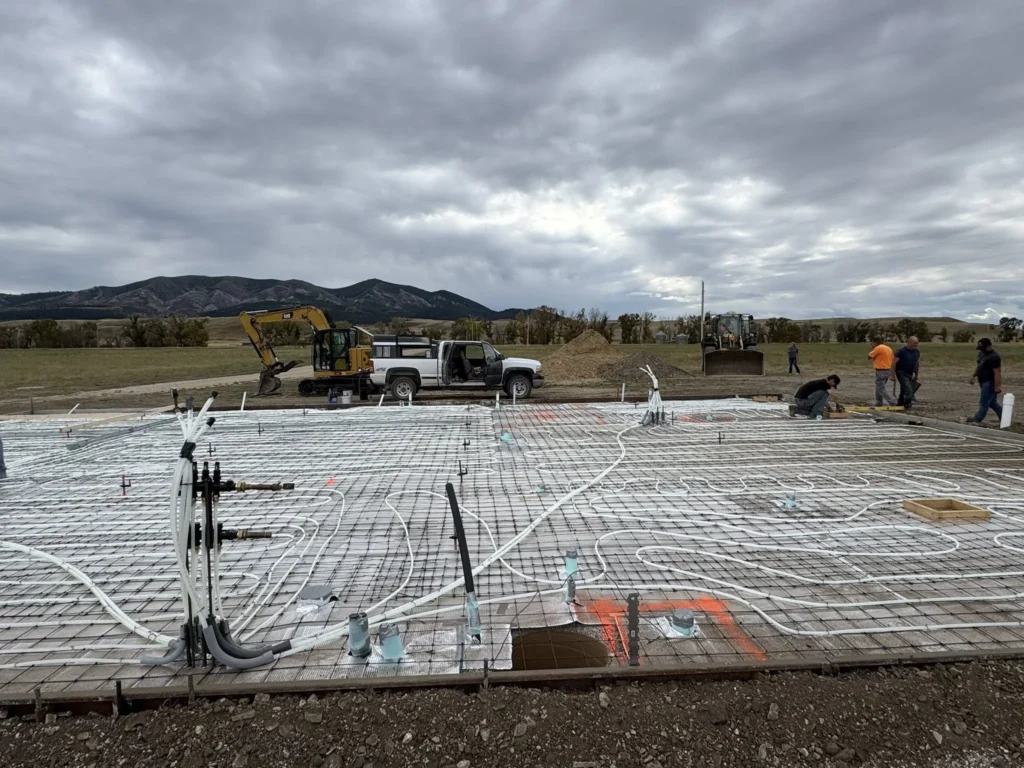
Concrete driveways in Edmonton are built to withstand harsh winters, heavy vehicle loads, and freeze–thaw cycles. This guide covers 2025 pricing, thickness standards, des
Best Sidewalk & Walkway Concrete Services in Edmonton (2025 Guide)
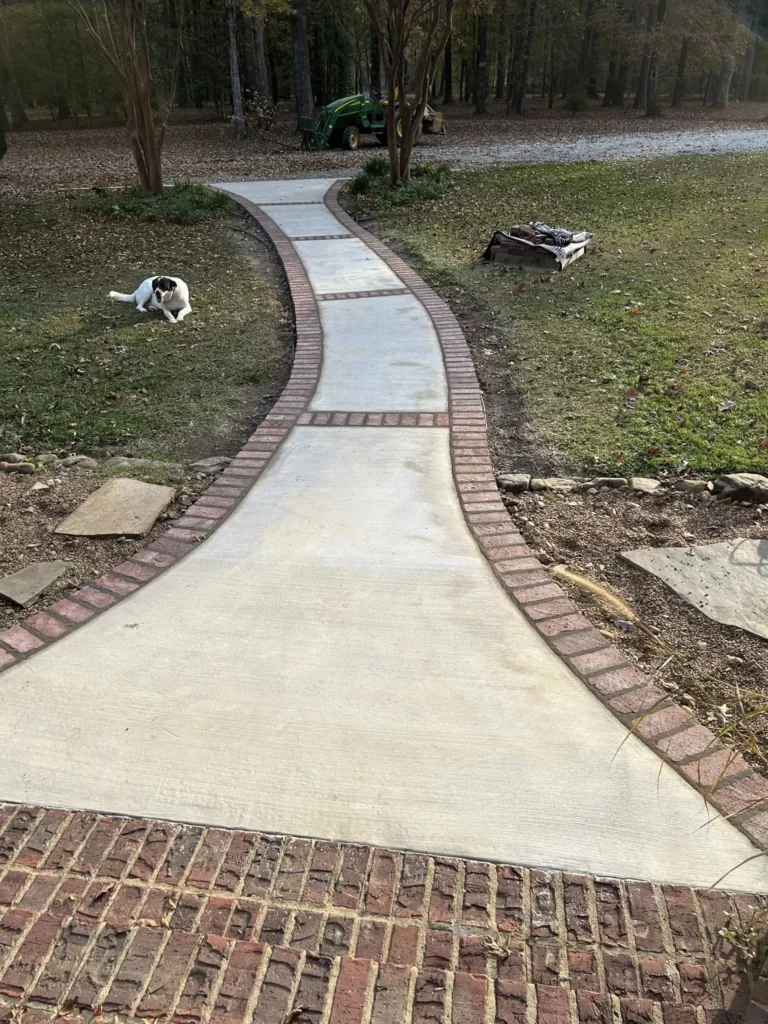
Sidewalks and walkways play a crucial role in how residents and visitors experience your property. Whether it’s a home, commercial building, public space, or multi-family development, a well-built pathway ensures safety, accessibility, and long-term durability—especially in a climate as demanding as Edmonton’s. At Edmonton Concrete Services, we help homeowners and businesses build high-quality, long-lasting concrete paths tailored to local conditions and safety standards. This guide explores the types of sidewalks available, the installation and repair processes, cost considerations, and what makes professional concrete services essential for Edmonton’s harsh winters. Why Quality Concrete Sidewalks Matter in Edmonton Concrete walkways are more than just pathways—they help shape the functionality, safety, and visual appeal of your property. In Edmonton, where temperature swings, snow, and freeze-thaw cycles are constant challenges, investing in well-constructed sidewalks makes a major difference. Safety & Accessibility for Homeowners and Businesses A properly installed concrete walkway improves daily mobility and reduces the risk of slips and falls. Edmonton averages over 130 days of snowfall per year, making traction and surface stability essential. High-quality paths ensure: According to the Government of Canada, slips and falls remain one of the most common causes of injuries during winter months—reinforcing why surface quality and finish matter. Compliance With Edmonton Bylaws & Codes Pathway construction, repair, and maintenance in Edmonton is governed by specific municipal standards. These include minimum thickness, slope gradients, reinforcement requirements, and accessibility guidelines. Professionally built walkways help ensure: Ignoring these standards may lead to failed inspections or required rework later—costing time and money. Long-Term Durability in Harsh Canadian Winters Edmonton’s freeze-thaw cycles can cause cracking, shifting, and heaving if sidewalks are not constructed properly. By choosing high-quality concrete mixes, proper reinforcement, and correct installation techniques, property owners can enjoy sidewalks that last for decades. Key durability benefits include: “Concrete durability in cold climates is directly linked to installation quality and proper curing.” — American Concrete Institute (ACI) Types of Concrete Sidewalks & Walkways We Build At Edmonton Concrete Services, we build a wide range of sidewalks and walkways for residential, commercial, and municipal clients. Each project is designed to meet local requirements, withstand Edmonton’s climate, and enhance the appearance of your property. Residential Concrete Sidewalks Homeowners often need sidewalks for: These sidewalks are designed with aesthetics in mind—providing an attractive, clean transition between different parts of your property while offering long-term durability. Commercial & Municipal Walkways Commercial and public sidewalks must withstand heavier foot traffic and comply with strict safety codes. Ideal for: We use high-strength concrete and reinforcement to ensure performance in high-use environments. Decorative Concrete Walkways (Stamped, Exposed Aggregate, Broom Finish) Decorative concrete allows property owners to blend functionality with design. Popular options include: Decorative options are ideal for improving curb appeal or enhancing outdoor landscaping. Barrier-Free & ADA-Compliant Ramps Accessibility ramps make buildings safer and more inclusive. We design barrier-free walkways that comply with accessibility requirements and provide smooth transitions for wheelchairs, strollers, carts, and individuals with mobility challenges. Garden Paths, Backyard Walkways & Entrance Paths For homeowners wishing to improve their outdoor spaces, we also construct: These paths help create cohesive landscaping while remaining functional and weather-resistant. Our Sidewalk Installation Process (Step-by-Step) Our team follows a proven installation process built around precision, safety, and long-term durability. Every sidewalk project is handled by trained professionals using modern equipment and high-quality concrete mixtures suitable for Edmonton’s climate. Site Inspection & Planning The process begins with an in-depth evaluation of your property. We assess soil conditions, drainage requirements, existing structures, and elevation changes to design a sidewalk that is functional and compliant with local codes. During this phase, we determine: Excavation & Base Preparation Proper excavation is crucial for preventing settlement and cracking. We typically excavate 4–8 inches depending on soil conditions. Then, we add a compacted gravel base to provide a stable foundation. This helps: Formwork & Reinforcement Setup Wooden or metal forms are placed to shape the sidewalk and ensure straight edges and proper grade. Reinforcement (rebar or wire mesh) is added to enhance strength and crack resistance. Concrete Pouring & Leveling We mix and pour premium-grade concrete designed for Edmonton’s freeze-thaw conditions. Our crew ensures an even pour, proper consolidation, and smooth transitions between slabs. Finishing Options (Standard, Broom Finish, Exposed Aggregate) After leveling, we apply the desired finish: Finishing not only improves appearance but also plays a major role in traction and longevity. Curing, Sealing & Final Cleanup Proper curing is essential for concrete strength. We follow industry standards to ensure your new sidewalk cures correctly, then apply sealing (if requested) to enhance protection against moisture and de-icing chemicals. The area is thoroughly cleaned, and all debris is removed—leaving you with a safe, beautiful, ready-to-use sidewalk. Popular Concrete Finishes for Edmonton Sidewalks Choosing the right concrete finish can significantly impact the safety, appearance, and lifespan of your sidewalk or walkway. Edmonton’s winter conditions, paired with year-round foot traffic, make surface selection especially important. Below are the most common and practical finishes we offer for residential, commercial, and municipal clients. Broom Finish for Grip in Winter The broom finish is Edmonton’s most popular option due to its excellent slip resistance. After the concrete is leveled, a broom is pulled across the surface, creating fine, textured lines that increase traction. This finish is ideal for: Because Edmonton experiences frequent freeze-thaw cycles, the broom finish helps minimize winter-related slip hazards while remaining cost-effective and low-maintenance. Exposed Aggregate for Elegant Look & Durability Exposed aggregate showcases a beautiful mix of natural stones and pebbles within the concrete surface. It’s known for its decorative appearance and excellent traction. This option is commonly used in: Beyond its aesthetic appeal, exposed aggregate offers long-lasting durability and handles Edmonton’s climate exceptionally well. Smooth Trowel Finish (For Protected Areas) Although smooth trowel finishes look sleek and modern, they’re typically used in protected or interior locations where ice is not a concern. For outdoor Edmonton sidewalks, they are less common due to lower traction in wet conditions. Stamped Concrete Patterns & Colors Stamped concrete allows