
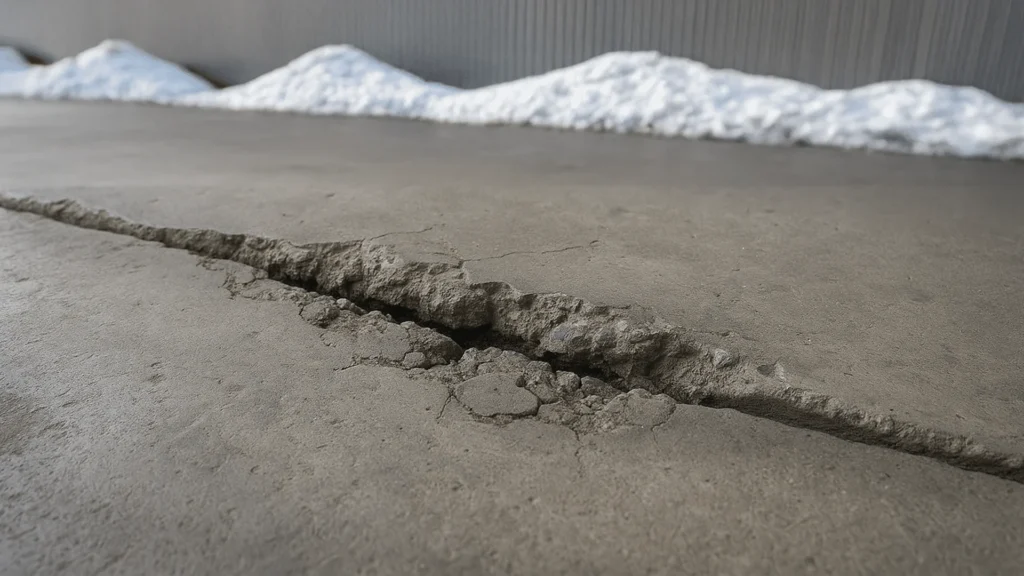
Winter Concrete Damage Prevention in Edmonton: How to Protect Your Driveways, Sidewalks, and Patios. Long stretches of freezing temperatures, sudden thaws, heavy snowfall, and aggressive de-icing products create the perfect conditions for concrete damage. Many homeowners only notice the problem when cracks widen, surfaces start flaking, or repairs become unavoidable and expensive.
This winter concrete damage prevention guide is designed to help Edmonton homeowners, property managers, and builders understand why concrete fails in winter, what types of damage to watch for, and how early prevention can dramatically extend the life of driveways, sidewalks, patios, and other concrete surfaces. With the right knowledge—and the right local expertise—you can protect your investment and avoid costly repairs.
Why Winter Is So Hard on Concrete in Edmonton
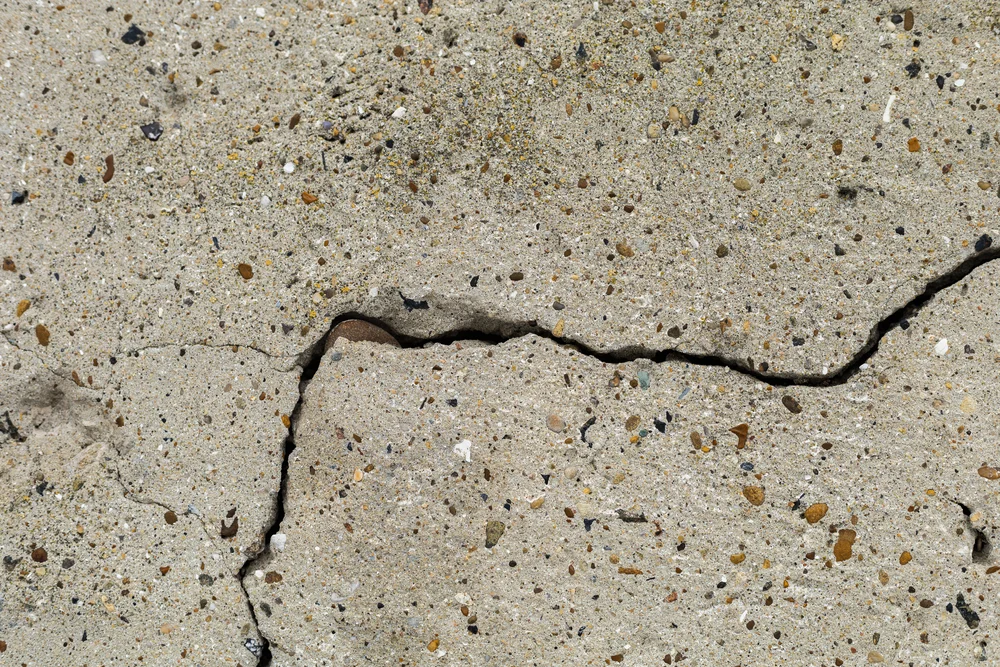
Concrete is one of the most durable building materials available, but it is not immune to environmental stress. Edmonton’s climate presents a unique challenge because concrete is repeatedly exposed to freezing, thawing, moisture infiltration, and chemical attack—all within a single winter season.
Understanding these environmental stressors is a foundational part of effective winter concrete damage prevention.
Freeze-Thaw Cycles Explained
Concrete is porous by nature. Even well-finished concrete contains microscopic capillaries that allow water to penetrate the surface. During Edmonton winters, daytime temperatures may rise above freezing, allowing snow and ice to melt. When temperatures drop again overnight, that trapped moisture freezes and expands.
Water expands by approximately 9% when it freezes. Inside concrete, this expansion creates internal pressure. Repeated freeze-thaw cycles cause the concrete to fatigue, leading to cracking, surface scaling, and long-term structural weakening.
Micro-Cracks and Structural Weak Points
Many winter-related concrete failures start as micro-cracks—tiny fractures that are invisible to the naked eye. Over multiple winters, these cracks widen as more water enters, freezes, and expands. What begins as a cosmetic issue can eventually compromise load-bearing capacity, especially in driveways and garage aprons.
Moisture Infiltration and Surface Breakdown
Moisture is the single biggest enemy of winter concrete. Snow accumulation, melting ice, and poor drainage allow water to sit on concrete surfaces for extended periods. When this moisture repeatedly freezes and thaws, it weakens the cement paste and exposes aggregate.
According to cold-climate construction studies, concrete exposed to frequent saturation deteriorates significantly faster than concrete that remains dry—even if both are structurally sound at installation.
Capillary Absorption in Concrete
Concrete absorbs water through capillary action, pulling moisture deep into the slab. Without proper sealing, this moisture has no barrier. Once temperatures drop, internal freezing begins—not just at the surface, but throughout the slab depth.
De-Icing Salts and Chemical Damage
De-icing salts are commonly used throughout Edmonton to improve winter safety, but they are extremely harsh on concrete. Products containing calcium chloride or sodium chloride accelerate freeze-thaw damage by increasing moisture penetration and chemically attacking the cement matrix.
Industry research shows that concrete exposed to de-icing salts can deteriorate up to three times faster than untreated surfaces, especially if the concrete was not air-entrained or properly cured.
Salt Damage on Driveways and Walkways
Driveways, sidewalks, and entryways are most vulnerable because they receive the highest salt exposure. Over time, salts cause surface scaling, flaking, and discoloration—often mistaken for poor workmanship when the real cause is chemical exposure.
Common Types of Winter Concrete Damage
Winter damage does not appear in a single form. Different stressors create different failure patterns, each requiring a specific repair or prevention strategy. Understanding these damage types helps homeowners identify problems early—before they worsen.
Concrete Cracking
Cracking is the most common winter-related concrete issue in Edmonton. While some cracking is normal due to shrinkCracking is the most common winter-related concrete issue in Edmonton. While some cracking is normal due to shrinkage, winter cracks are typically caused by internal freeze-thaw pressure or temperature-related movement.
- Hairline cracks: Often cosmetic but can allow moisture entry
- Structural cracks: Wider cracks that affect performance and durability
Unchecked cracks become direct pathways for water infiltration, accelerating future winter damage. Understanding available concrete crack repair options helps homeowners address problems early before minor cracks evolve into major structural failures requiring complete replacement.
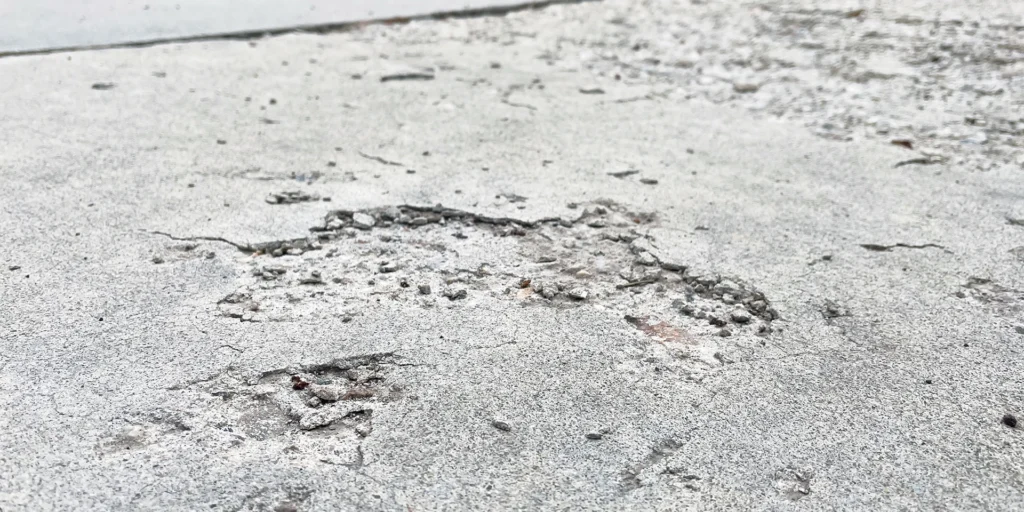
Scaling and Spalling
Scaling occurs when the top layer of concrete begins to peel or flake away. Spalling is a more severe form, where chunks of concrete break off, exposing coarse aggregate underneath.
These issues are especially common when concrete is exposed to de-icing salts during its first winter or when it was not properly cured after placement.
Surface Flaking and Pitting
Surface flaking creates uneven textures that are not only unattractive but also dangerous. Pitted concrete collects water, increasing slip hazards and accelerating freeze-thaw damage.
In commercial or multi-family properties, this type of deterioration can create liability concerns due to trip-and-fall risks.
Joint Deterioration
Expansion and control joints are designed to manage concrete movement, but they are also vulnerable points. When joints fail, water enters beneath the slab, freezes, and lifts sections of concrete—a process known as frost heave.
Once joint damage begins, surrounding slabs often shift, crack, or become uneven.
Up next: In the second half of this guide, we’ll cover which concrete surfaces are most at risk, proven winter damage prevention strategies, maintenance checklists, repair options, FAQs, and how professional concrete services in Edmonton can help protect your property long-term.
Concrete Surfaces Most at Risk During Edmonton Winters
Not all concrete surfaces experience winter stress in the same way. Some areas are more exposed to moisture, temperature fluctuations, and chemical attack, making them far more vulnerable to damage. Knowing which surfaces are most at risk allows homeowners and property managers to focus prevention efforts where they matter most.
Concrete Driveways
Driveways take the hardest hit during winter. They are exposed to constant vehicle loads, snow accumulation, ice melt from warm engines, and frequent applications of de-icing salts. When meltwater refreezes under parked vehicles, it accelerates freeze-thaw damage deep within the slab.
In Edmonton, we often see driveway cracking and scaling appear after just a few winters if the concrete was not air-entrained, properly sealed, or correctly sloped for drainage.
Sidewalks and Walkways
Sidewalks and walkways are highly vulnerable because they are routinely treated with ice-melting products to reduce slip hazards. Unfortunately, this repeated chemical exposure significantly increases surface scaling and flaking.
Uneven or deteriorating sidewalks also create safety and liability concerns, especially for rental properties and commercial buildings.
Patios, Steps, and Entry Pads
Patios and concrete steps often suffer from standing water issues. Snow piles up against edges, melts slowly, and refreezes overnight. Over time, this leads to surface pitting, cracked edges, and weakened step nosings.
Garage Floors and Aprons
Garage floors are exposed to some of the harshest winter conditions. Vehicles bring in snow, ice, water, and road salt daily. As the garage warms, this moisture melts and penetrates the concrete—only to refreeze when temperatures drop again.
Without sealing and proper drainage, garage slabs can deteriorate from the inside out.
These areas require proactive winter concrete damage prevention to avoid long-term structural and surface deterioration.
How to Prevent Winter Concrete Damage
Preventing winter concrete damage is far more cost-effective than repairing it. With the right materials, installation practices, and maintenance habits, concrete in Edmonton can last for decades—even in harsh winter conditions.
Effective winter concrete damage prevention focuses on controlling moisture, sealing surfaces, and reducing chemical exposure before freezing temperatures arrive.
Start With Proper Concrete Installation
Long-lasting winter performance begins at installation. Concrete used in cold climates should always be designed specifically for freeze-thaw resistance.
- Use air-entrained concrete to allow internal pressure relief during freezing
- Ensure proper water-to-cement ratios
- Allow adequate curing time before winter exposure
According to the American Concrete Institute (ACI), air-entrained concrete can increase freeze-thaw durability by over 300% compared to non-air-entrained mixes in cold climates.
Seal Concrete Before Winter
Concrete sealing is one of the most effective winter concrete damage prevention methods. A high-quality sealer reduces water absorption, limits salt penetration, and protects the surface from chemical attack. Professional concrete sealing in Edmonton ensures proper product selection and application timing for maximum winter protection.
There are two primary types of sealers:
- Penetrating sealers: Absorb into the concrete and block moisture internally
- Film-forming sealers: Create a protective barrier on the surface
For Edmonton’s climate, penetrating sealers are often preferred because they do not peel or trap moisture.
Improve Drainage and Water Management
Standing water is a major contributor to winter damage. Concrete should always be sloped away from structures and allow meltwater to drain quickly.
- Clear snow before it melts and refreezes
- Keep downspouts directed away from slabs
- Avoid snow piling against concrete edges
Use Safer Ice Control Methods
While de-icing salts improve safety, they should be used carefully. Excessive salt accelerates concrete deterioration.
Safer alternatives include:
- Sand for traction
- Calcium magnesium acetate (CMA)
- Minimal salt application combined with early snow removal
Avoid Mechanical Surface Damage
Improper snow removal can damage concrete surfaces. Metal shovels and aggressive snowblowers can gouge the surface, creating entry points for moisture.
Use plastic shovels or rubber-edged equipment whenever possible.
Winter Concrete Maintenance Checklist
Routine winter maintenance significantly reduces long-term damage. A simple checklist can help homeowners stay ahead of problems.
Weekly Winter Checks
- Inspect for new cracks or surface changes
- Remove snow buildup near slab edges
- Ensure drains and downspouts are clear
Snow and Ice Removal Best Practices
- Remove snow early before it melts
- Limit salt use and rinse surfaces during warm spells
- Avoid chipping ice directly off concrete
When to Call a Concrete Professional
If cracks widen, surfaces scale rapidly, or slabs become uneven, it’s time to consult a professional. Early repairs are significantly less expensive than full slab replacement.
Investing in winter concrete damage prevention is far more cost-effective than repairing cracked or spalled concrete after winter.
Repairing Winter-Damaged Concrete
Even with prevention, some winter damage is unavoidable. The key is addressing issues promptly before they escalate.
Crack Repair Solutions
Small cracks can often be repaired using epoxy or polyurethane injection systems. These methods restore structural integrity and prevent further moisture intrusion.
Concrete Resurfacing
For surface-level damage such as scaling or flaking, resurfacing can restore appearance and function. However, resurfacing is only effective when the underlying concrete remains structurally sound.
Repair vs. Replacement
When damage is extensive, full replacement may be more cost-effective long-term. A professional assessment ensures the right solution for durability and budget.
Why Professional Concrete Services Matter in Edmonton
Edmonton’s climate demands local expertise. Professional concrete contractors understand regional soil conditions, temperature extremes, and winter performance requirements.
At Edmonton Concrete Services, our team brings hands-on experience with flatwork, driveways, sidewalks, and repairs designed specifically for Alberta winters. We use climate-appropriate materials, proven techniques, and industry best practices to deliver concrete that lasts.
Frequently Asked Questions About Winter Concrete Damage
Can new concrete crack during its first winter?
Yes. New concrete is especially vulnerable if it was not properly cured or sealed before exposure to freezing temperatures.
Is sealing concrete really necessary in cold climates?
Absolutely. Sealing dramatically reduces moisture penetration and freeze-thaw damage, extending the life of concrete surfaces.
What temperature is too cold for concrete work?
Concrete placement typically requires special precautions below 5°C (41°F). Winter work must follow strict cold-weather concreting guidelines.
How long should concrete last in Edmonton?
With proper installation and maintenance, concrete can last 30–40 years or more, even in harsh winter conditions.
When is the best time to repair winter damage?
Spring is ideal for inspections and repairs, once freeze-thaw cycles have ended and surfaces can dry properly.
Winter concrete damage prevention helps reduce cracking, scaling, and moisture intrusion, especially in regions with frequent freeze-thaw cycles.
Protect Your Concrete Before Winter Causes Costly Damage
Winter concrete damage is not inevitable. By understanding the risks, maintaining surfaces properly, and working with experienced local professionals, you can significantly extend the life of your concrete.
If you’re concerned about winter damage or want to prepare your driveway, sidewalks, or concrete flatwork for the next Edmonton winter, Edmonton Concrete Services is here to help.
Making winter concrete damage prevention a yearly priority can significantly extend the lifespan of your concrete surfaces.
Contact us today to schedule a professional inspection or learn more about our concrete installation, maintenance, and repair services designed for Alberta’s toughest conditions. If you want long-lasting results, winter concrete damage prevention should be part of your annual maintenance plan—not an afterthought once cracks appear.
