
Precast concrete has become one of the most reliable, efficient, and durable building solutions in modern construction. Whether you’re a developer seeking faster timelines, an architect looking for design flexibility, or a contractor wanting higher quality and reduced on-site risks, precast concrete offers a powerful answer. Yet many people still ask the same foundational question: What exactly is precast concrete—and why is it used so widely across Canada?
In this comprehensive guide, we break down everything you need to know: how precast concrete works, how it’s manufactured, its benefits, applications, and why builders are choosing precast solutions more than ever.
Understanding Precast Concrete
Definition of Precast Concrete
Precast concrete is a construction material created by casting concrete in a controlled manufacturing facility using reusable molds. Unlike traditional cast-in-place concrete, which is poured and cured directly at the job site, precast components are produced under strict quality standards, ensuring consistency, strength, and durability.
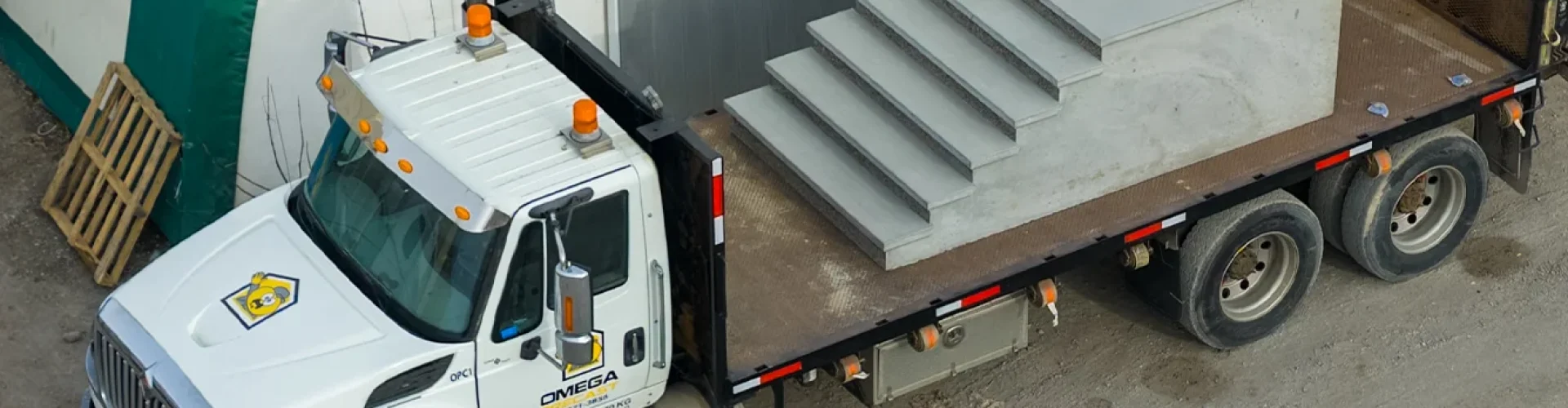
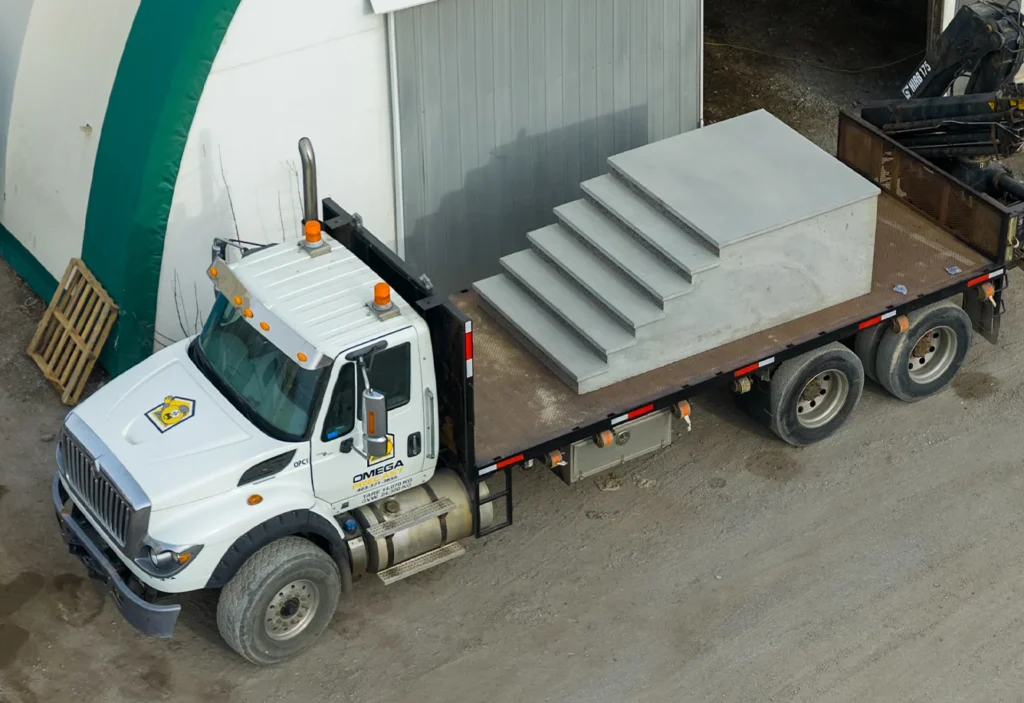
Once fully cured, these components—such as beams, wall panels, slabs, and utility structures—are transported to the job site and installed using cranes. This process reduces weather delays, speeds up project timelines, and minimizes on-site labor risks.
How Precast Differs From Cast-in-Place Concrete
Many builders compare precast to cast-in-place concrete because both are essential in construction. However, they differ significantly in process and performance. Here’s a quick comparison:
| Criteria | Precast Concrete | Cast-in-Place Concrete |
|---|---|---|
| Production Environment | Controlled factory setting | On-site, exposed to weather |
| Quality Consistency | High—strict monitoring | Varies—dependent on site conditions |
| Installation Speed | Very fast | Slower due to curing time |
| Labor Requirements | Lower on-site labor | Higher on-site labor |
| Weather Impact | Minimal | High risk of delay |
Because of these advantages, precast concrete has seen increasing adoption in Canada, especially in regions with unpredictable weather patterns.
Why Precast Is Becoming More Popular in Canada
Canadian construction faces unique challenges—long winters, remote sites, and pressure to reduce project delays. Precast concrete solves these problems by offering rapid installation, reduced weather exposure, and predictable quality.
In fact, according to the Canadian Precast/Prestressed Concrete Institute (CPCI), projects using precast can reduce construction timelines by up to 30% compared to traditional methods. This speed advantage has made precast a preferred solution for commercial, industrial, municipal, and residential developments across the country.
How Precast Concrete Is Manufactured
One of the biggest advantages of precast is its high level of quality control. Because production happens in a closed, controlled facility, manufacturers can ensure consistent curing conditions, precise dimensions, and excellent structural performance.
Below is a step-by-step look at how precast concrete is manufactured before being delivered to your project location.
Step 1 – Engineering & Shop Drawings
Every precast project begins with detailed engineering. Structural engineers design each component, determine reinforcement requirements, and prepare shop drawings for production. These drawings include dimensional details, connection points, lifting inserts, and required finishes.
Shop drawings ensure that each precast element fits perfectly during installation, minimizing on-site adjustments and delays.
Step 2 – Mold Fabrication
Next, molds—also called forms—are created. These may be steel, wood, fiberglass, or rubber, depending on the complexity of the design. Reusable steel molds are commonly used for large-scale production because they provide exceptional precision and efficiency.
Accurate molds are essential because they shape the final precast component and determine its dimensional accuracy.
Step 3 – Reinforcement Placement
Reinforcement such as rebar or welded mesh is placed inside the mold. This ensures the precast element is strong enough to handle heavy loads, transportation, lifting, and long-term structural use.
The reinforcement layout strictly follows engineering plans to maintain structural integrity.
Step 4 – Concrete Pouring & Vibration
High-quality concrete is poured into the mold. During this stage, vibration techniques are used to remove trapped air pockets. This helps the concrete settle evenly, resulting in higher density and long-term durability.
Step 5 – Curing in a Controlled Plant Environment
One of the biggest advantages of precast concrete is controlled curing. Plants use managed temperature and humidity levels to ensure the concrete cures uniformly and reaches maximum strength.
This tightly controlled process is more predictable than outdoor curing, where weather fluctuations can weaken the final product.
Step 6 – Demolding, Finishing & Quality Checks
Once the concrete reaches the specified strength, the mold is removed. Technicians perform surface finishing techniques depending on the project—smooth, textured, painted, or patterned surfaces.
Rigorous inspections check dimensions, connections, and structural integrity. Every precast component must meet strict industry standards before transportation.
Step 7 – Transportation to the Job Site
After quality assurance, the finished precast components are safely loaded onto specialized trucks and transported to the job site. Because precast elements can be extremely large and heavy, shipping logistics are carefully planned.
