
Pouring concrete in Edmonton isn’t as simple as picking a date on the calendar. With long winters, sudden temperature swings, and frequent freeze–thaw cycles, the local climate plays a major role in whether a concrete project succeeds or fails. Homeowners who ignore seasonal conditions often end up dealing with cracked slabs, surface scaling, or costly repairs only a few years later.
This guide breaks down how Edmonton’s seasons and weather affect concrete pouring, curing, and long-term durability. Drawing from real-world experience in concrete flatwork, driveways, and cribbing across the Edmonton area, we’ll explain what works, what doesn’t, and how professional concrete contractors adapt their approach throughout the year.
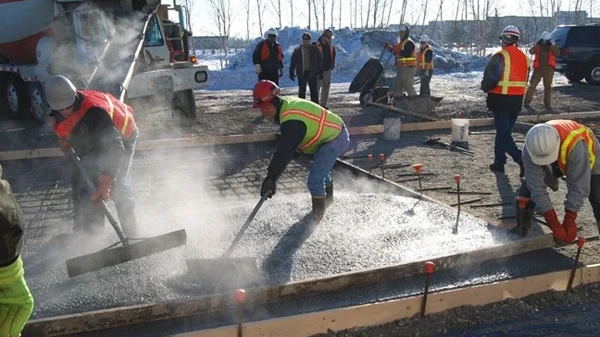
Why Weather Matters When Pouring Concrete in Edmonton
Concrete may look solid once it hardens, but during the first few days after it’s poured, it’s extremely sensitive to its environment. Temperature, moisture, wind, and ground conditions all influence how concrete gains strength and how long it will last.
How Temperature Affects Concrete Strength and Curing
Concrete cures through a chemical reaction called hydration. Ideally, this process happens when the concrete stays between about 10°C and 25°C. In this range, strength develops evenly, and the finished surface is more resistant to cracking and scaling.
When temperatures drop too low—especially below 5°C—hydration slows dramatically. If freshly poured concrete freezes before it gains enough early strength, the internal structure can be permanently damaged. According to industry research, concrete that freezes in its early stages can lose up to 50% of its long-term strength.
On the other extreme, hot weather causes concrete to cure too quickly. Rapid moisture loss leads to shrinkage cracks, weaker surface paste, and reduced durability if proper precautions aren’t taken.
The Role of Moisture, Wind, and Sun
Temperature isn’t the only factor that matters in Edmonton. Wind and direct sunlight can be just as damaging, especially during spring and summer pours.
- Wind: Accelerates evaporation, drying the surface before finishing is complete.
- Direct sun: Heats the slab unevenly, increasing the risk of surface cracking.
- Rain: Can weaken the surface if it hits concrete before initial set.
Professional crews monitor all of these conditions, not just the daytime high temperature, before deciding when and how to pour.
Edmonton’s Unique Climate Challenges
Edmonton experiences over 120 freeze–thaw cycles per year—far more than many other Canadian cities. These cycles are especially hard on exterior concrete like driveways, sidewalks, and patios. If concrete isn’t air-entrained or cured properly, moisture inside the slab expands during freezing, leading to surface scaling and spalling.
This is why concrete that performs well in milder climates often fails prematurely in Edmonton if local conditions aren’t considered.
Understanding how Edmonton weather affects concrete helps explain why timing, curing, and mix design matter so much.”
Best Time of Year to Pour Concrete in Edmonton: A Seasonal Overview
Many homeowners ask, “What’s the best month to pour concrete in Edmonton?” The honest answer is that there isn’t a single perfect season. Each part of the year comes with advantages and risks, and experienced contractors adjust their methods accordingly.
| Season | Advantages | Main Risks |
|---|---|---|
| Spring | Moderate daytime temperatures | Overnight frost, wet ground |
| Summer | Fast strength gain, stable subgrade | Rapid drying, shrinkage cracking |
| Fall | Cool, consistent conditions | Sudden cold snaps |
| Winter | Possible with controls | Freezing, higher costs |
Below, we’ll explore the first two seasons in detail to help you understand how timing affects quality and cost.
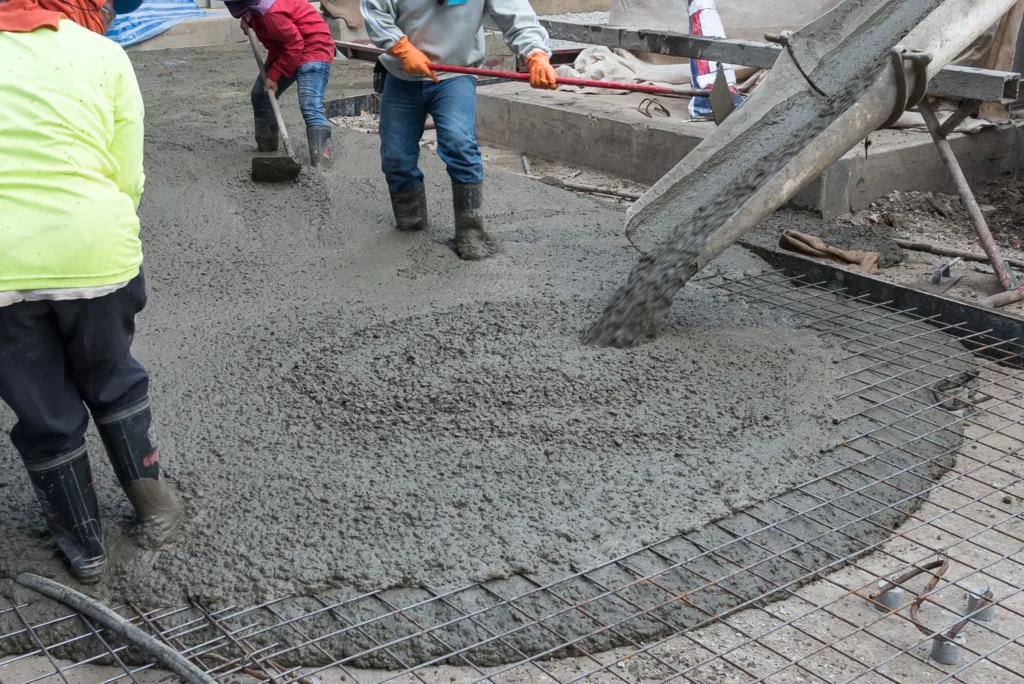
Pouring Concrete in Spring in Edmonton (March to May)
Spring is one of the most unpredictable times of year for concrete work in Edmonton. While daytime temperatures may feel mild, overnight lows often dip below freezing well into April—and sometimes even May.
Advantages of Spring Concrete Projects
Spring offers a head start on construction projects after winter delays. For homeowners eager to complete driveways, garage pads, or sidewalks before summer, spring can be appealing.
Cool daytime temperatures also reduce the risk of rapid moisture loss, which helps finishing crews achieve a smoother, more uniform surface.
Spring Risks: Frost, Moisture, and Ground Conditions
The biggest challenge in spring is what’s happening below the surface. Even if the air temperature is above zero, frost can remain in the ground. Pouring concrete over frozen subgrade is a common mistake that leads to settlement and cracking once the ground thaws.
Spring snowmelt also increases moisture levels, making proper drainage and base preparation critical. Without a stable, well-compacted base, concrete slabs are far more likely to fail.
How Professionals Manage Spring Concrete Pours
Experienced Edmonton concrete contractors take several precautions in spring:
- Verifying ground thaw depth before pouring
- Using insulated curing blankets overnight
- Adjusting mix designs for cooler temperatures
- Monitoring overnight lows, not just daytime highs
These steps help ensure that early-season concrete performs just as well as pours completed later in the year.
The American Concrete Institute notes that concrete exposed to freezing before early strength development may suffer permanent durability loss.
Pouring Concrete in Summer in Edmonton (June to August)
Summer is widely considered the best season for pouring concrete in Edmonton—but it still comes with challenges. Warm weather allows concrete to gain strength quickly, but without proper moisture control, it can cure too fast.
Why Summer Is Peak Concrete Season
Consistent warm temperatures and fully thawed ground make summer ideal for most concrete applications. Driveways, patios, sidewalks, and flatwork can all be completed efficiently during this season.
From a scheduling standpoint, summer also offers fewer weather delays, which helps projects stay on track.
Hot Weather Concrete Challenges
When temperatures climb above 25°C, concrete can lose moisture faster than it can be finished. This increases the risk of plastic shrinkage cracking—thin cracks that appear within hours of placement.
According to concrete industry studies, evaporation rates above 1.0 kg/m²/hr significantly increase cracking risk if protective measures aren’t used.
Professional crews combat this by adjusting pour times, using curing compounds, and carefully managing water content to protect long-term strength.
Pouring Concrete in Fall in Edmonton (September to October)
Fall is often considered the most underrated season for pouring concrete in Edmonton. With cooler daytime temperatures and fewer extreme weather events, many professionals view early fall as a “sweet spot” for high-quality concrete work.
Why Fall Conditions Are Ideal for Concrete
During September and early October, temperatures are typically cool but stable. This slower curing environment allows concrete to gain strength evenly, reducing the risk of surface cracking and shrinkage. Wind speeds also tend to be lower than in spring, helping retain surface moisture during finishing.
Many experienced contractors prefer fall pours for concrete driveways and flatwork because the conditions closely resemble ideal curing environments recommended by concrete standards organizations.
Fall Weather Risks to Watch For
The biggest challenge in fall is unpredictability. Edmonton can experience sudden temperature drops, especially overnight. A warm afternoon pour followed by an unexpected frost can compromise early-age concrete if protection isn’t in place.
Shorter daylight hours also limit working time, which means proper scheduling and preparation are essential.
Professional Fall Pouring Strategies
- Closely monitoring overnight temperature forecasts
- Using insulated curing blankets when frost is possible
- Adjusting concrete mixes for cooler weather
- Planning pours earlier in the day to allow initial set before evening
When managed correctly, fall concrete can deliver excellent long-term durability—often outperforming rushed summer pours.
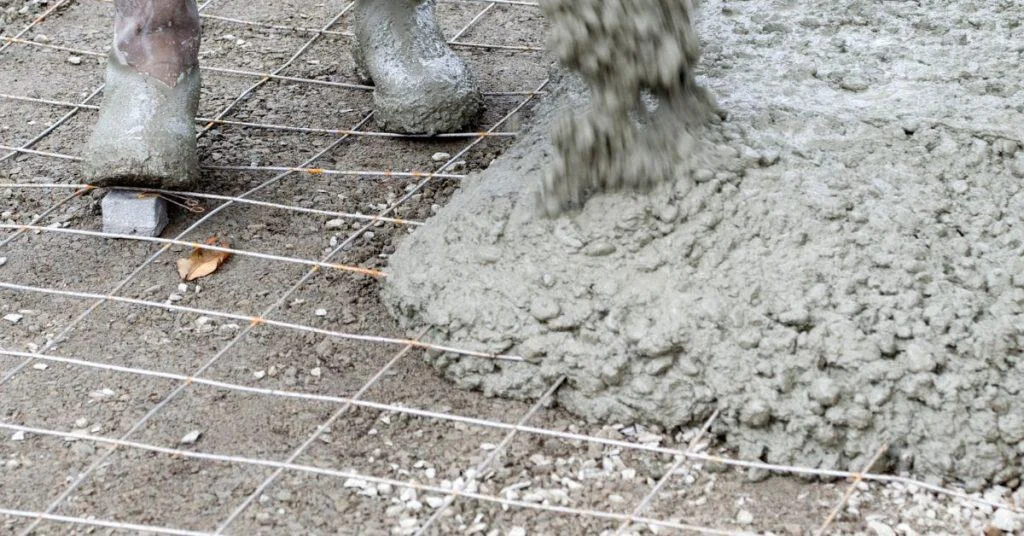
Pouring Concrete in Winter in Edmonton (November to February)
A common misconception is that concrete can’t be poured in winter in Edmonton. In reality, winter concrete pouring is possible—but only with the right expertise, equipment, and controls.
Can Concrete Be Poured in Edmonton Winters?
Yes, concrete can be poured in winter, but it requires strict temperature management. The key goal is preventing the concrete from freezing before it reaches sufficient early strength (typically around 3.5 MPa).
Without proper controls, winter pours can fail within hours. This is why winter concrete is never a DIY job and should only be handled by experienced professionals.
Major Risks of Winter Concrete
- Early-age freezing before strength develops
- Slow curing and delayed finishing
- Ice contamination in aggregates or subgrade
- Higher material and labor costs
Professional Cold-Weather Concrete Methods
Professional Edmonton concrete crews use several proven methods to pour safely in winter:
- Heating water and aggregates before mixing
- Using high-early-strength cement and accelerators
- Building heated enclosures around the pour area
- Covering slabs with thermal blankets immediately after finishing
These techniques are supported by industry standards such as CSA A23.1, which outlines cold-weather concreting requirements in Canada.
Good drainage around slabs and foundations is one of the most overlooked factors in long-lasting concrete in Edmonton.
How Concrete Mix Designs Change by Season
Concrete isn’t a one-size-fits-all material. Professional suppliers and contractors adjust mix designs throughout the year to match Edmonton’s seasonal conditions.
Seasonal Mix Adjustments
- Winter: Higher cement content, accelerators, heated materials
- Summer: Retarders to slow set time, controlled water content
- Year-round: Air entrainment to resist freeze–thaw damage
These adjustments help maintain strength, durability, and finish quality regardless of the season.
Common Mistakes Homeowners Make When Timing Concrete
Relying on the Calendar Instead of Weather
Assuming that “June is always safe” or “October is too late” often leads to poor decisions. Weather conditions matter far more than the month.
Ignoring Overnight Temperatures
Many concrete failures occur because overnight lows weren’t considered. A slab poured at 10°C can still fail if temperatures drop below freezing overnight.
Skipping Proper Curing
Curing is just as important as pouring. Without moisture retention or insulation, even well-placed concrete can weaken prematurely.
Hiring Inexperienced Contractors
Contractors without local Edmonton experience may not understand the importance of freeze–thaw resistance, air entrainment, or seasonal planning.
How Professional Edmonton Concrete Contractors Manage Weather Risks
Experienced local contractors don’t guess—they plan. Weather monitoring, proper equipment, and quality control are standard practice on professional job sites.
Tools and Techniques Used
- Real-time weather tracking
- Thermal curing blankets and heaters
- Moisture control systems
- Consistent quality inspections
These steps ensure concrete performs as intended for decades, not just the first season.
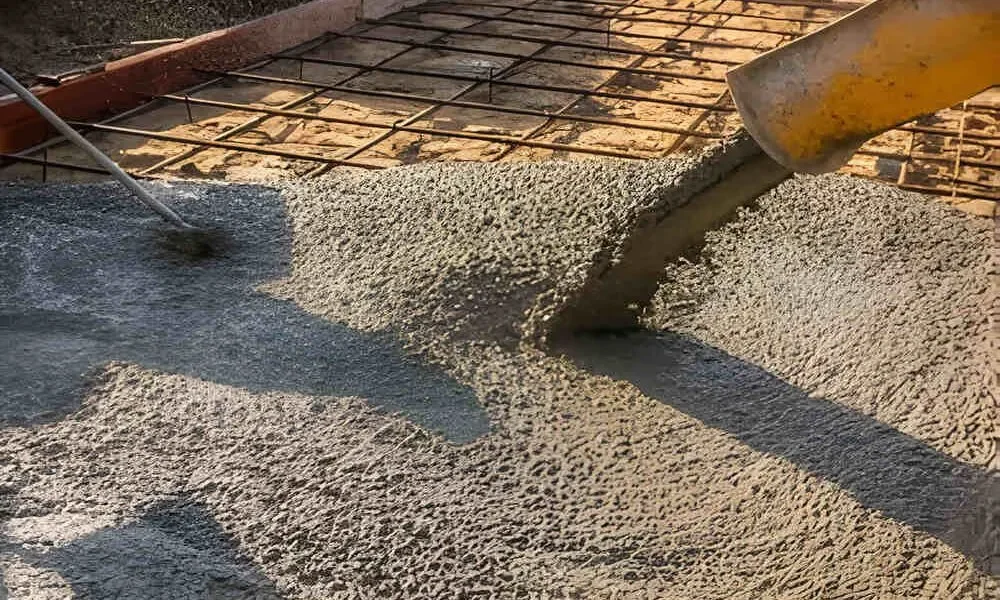
Concrete Services That Require Seasonal Expertise
Concrete Driveways in Edmonton
Driveways face constant freeze–thaw cycles, vehicle loads, and de-icing salts. Seasonal planning is critical for long-term durability.
Concrete Flatwork
Sidewalks, patios, and pads require careful finishing and curing to prevent surface scaling and cracking.
YEG Cribbing and Foundations
Cribbing and structural elements must account for soil movement, frost depth, and moisture conditions year-round.
Frequently Asked Questions About Pouring Concrete in Edmonton
What is the coldest temperature concrete can be poured?
Concrete should generally be placed when temperatures can be maintained above 5°C during early curing, using protection if necessary.
Is summer always the best time to pour concrete?
Not always. Summer heat can cause rapid drying and cracking if not managed correctly.
Does winter concrete cost more?
Yes, due to additional labor, heating, and protection requirements—but it can still be worthwhile for time-sensitive projects.
How long does concrete take to cure in cold weather?
Cold weather slows curing. Full strength may take longer, but proper protection ensures durability.
Final Thoughts: Choosing the Right Time—and the Right Contractor
In Edmonton, successful concrete work isn’t about avoiding certain seasons—it’s about understanding them. With the right planning, materials, and expertise, concrete can be poured safely and effectively almost any time of year.
The key takeaway is simple: weather doesn’t ruin concrete—poor preparation does.
If you’re planning a concrete driveway, flatwork, or cribbing project in Edmonton, working with an experienced local contractor ensures your investment is built to handle the city’s demanding climate.
Ready to plan your concrete project the right way? Contact our Edmonton concrete team today to discuss timing, design, and a solution built for long-term performance.
