
A well-built garage pad is one of the most important foundations for any home in Edmonton. With our region’s freeze–thaw cycles, clay soil conditions, and heavy vehicle loads, a properly designed concrete garage pad isn’t just a convenience—it’s a long-term investment that prevents sinking, cracking, drainage issues, and costly repairs. In this in-depth guide, you’ll learn everything you need to know about Edmonton garage pads, including installation steps, cost breakdowns, maintenance tips, and expert insights drawn from real concrete construction experience.
| Image | Description |
|---|---|
 | Freshly poured concrete garage pad in Edmonton |
| Rebar reinforcement installed for garage pad durability |
 | Concrete curb used for garage pad edge stability |
 | Detached garage construction on concrete pad foundation |
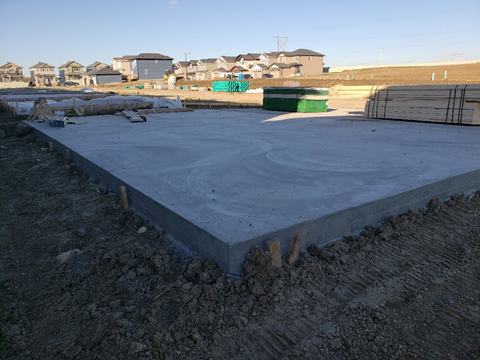 | Engineering and preparation work for a garage pad in Edmonton |
 | Edmonton garage pad concrete pouring process |
What Is a Garage Pad?
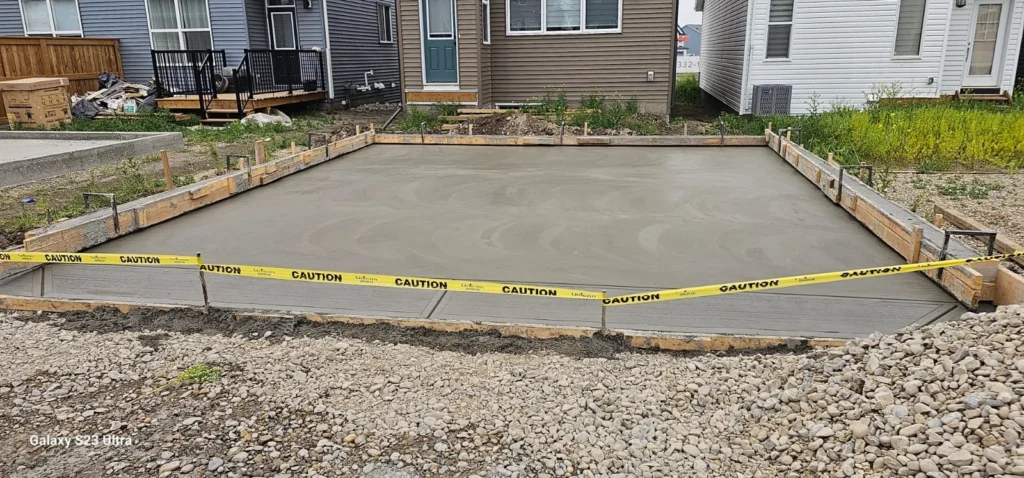
A garage pad is a reinforced concrete slab specifically designed to support garages, vehicles, heavy equipment, and seasonal weather changes. In Edmonton, these slabs must be engineered to handle snow loads, freeze–thaw expansion, ground movement, and drainage challenges caused by clay soil. A high-quality garage pad ensures your garage stays level, solid, and safe for decades.
Why Garage Pads Matter in Edmonton’s Climate
Edmonton’s climate is known for dramatic seasonal temperature shifts—sometimes over 70°C difference between winter lows and summer highs, according to the Government of Canada Climate Data. These fluctuations cause soil expansion and contraction, leading to heaving, sinking, and cracking if the slab isn’t built properly. That’s why installing a properly engineered, well-reinforced concrete platform is essential for long-term durability.
- Freeze–thaw cycles place pressure on concrete
- Edmonton clay soil traps moisture beneath slabs
- Heavy snow loads require strong structural support
- Garage pads must drain water away from the structure
Expert Insight: According to local engineering standards, a slabs of this type in Edmonton should be at least 4 inches thick with rebar reinforcement and proper gravel compaction to prevent long-term movement.
Why Choose a Concrete Garage Pad?
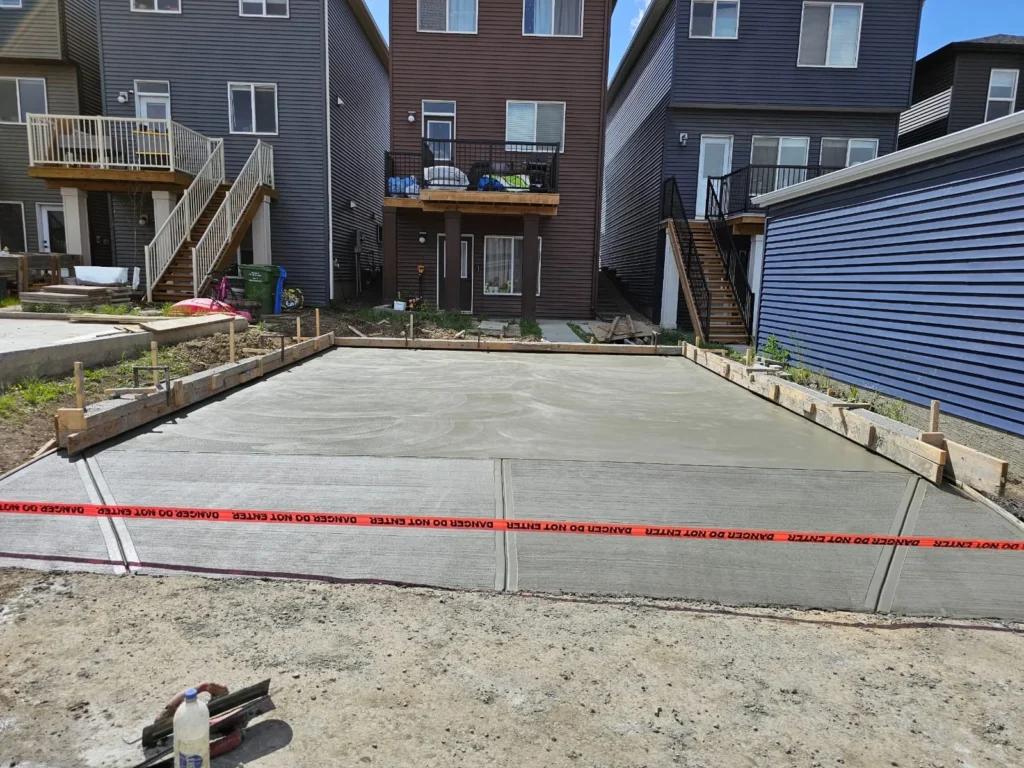
Concrete is the most durable, low-maintenance, and cost-effective material for garage pads in Alberta. Asphalt and gravel alternatives simply cannot handle heavy vehicle loads or long-term freeze–thaw exposure. A reinforced concrete surface provides strength, stability, and a smooth surface ideal for parking, storage, and workshops.
Benefits of Concrete Foundation Slab
Homeowners in Edmonton prefer concrete garage pads because they offer unmatched durability and performance in challenging weather conditions. Here are the top advantages:
- Long lifespan: Properly built concrete slabs last 30–40+ years.
- Low maintenance: Occasional sealing is all that’s required.
- High load capacity: Supports cars, trucks, and heavy equipment.
- Weather resistant: Handles freeze–thaw cycles without deformation.
- Improves property value: A good garage foundation increases resale appeal.
Concrete vs. Gravel vs. Asphalt
| Material | Durability | Maintenance | Best For |
|---|---|---|---|
| Concrete | ⭐⭐⭐⭐⭐ (30–40+ years) | Low | Permanent garages, heavy vehicles, long-term investment |
| Asphalt | ⭐⭐⭐ (15–20 years) | Medium | Budget builds, warmer climates |
| Gravel | ⭐⭐ (5–10 years) | High | Temporary garages, rural properties |
Verdict: Concrete is the superior choice for Edmonton garage pads because it is the only option engineered to withstand Alberta’s extreme climate conditions.
Types of Foundation Slabs in Edmonton
These structural bases come in several configurations depending on the home’s design, usage, and local building codes. Choosing the right type ensures structural integrity, proper drainage, and long-term performance.
1. Standard Concrete Slab
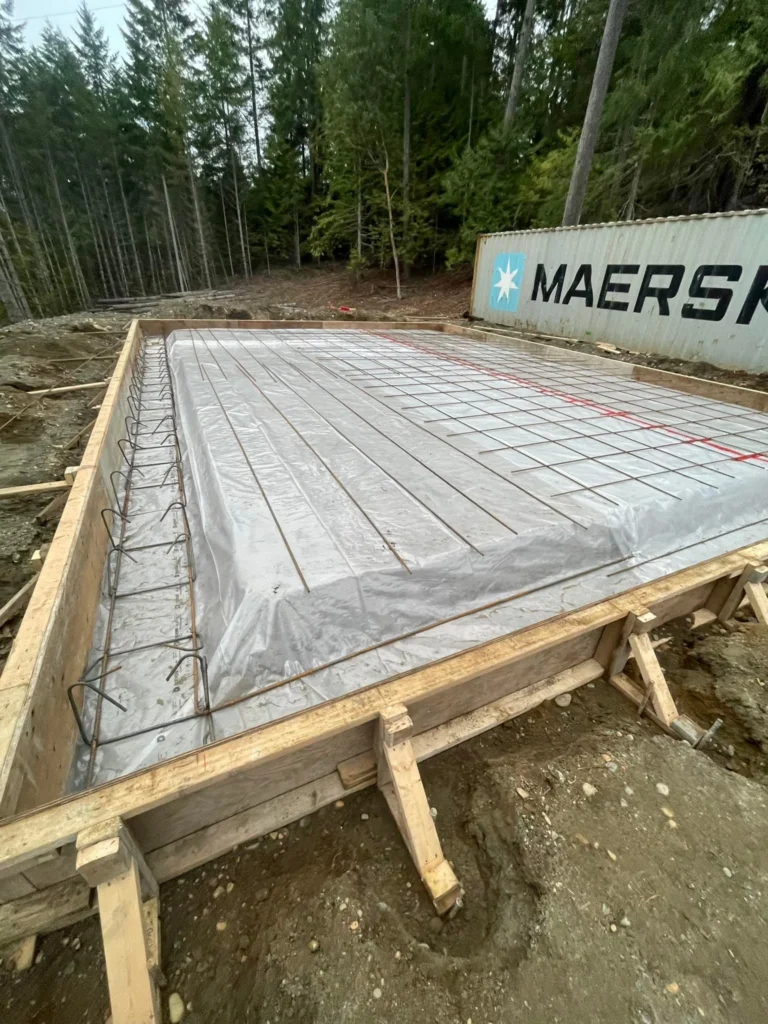
The most common type, typically 4–6 inches thick with rebar or mesh reinforcement. Suitable for standard single or double-car garages.
2. Monolithic Slab (Thickened Edge)
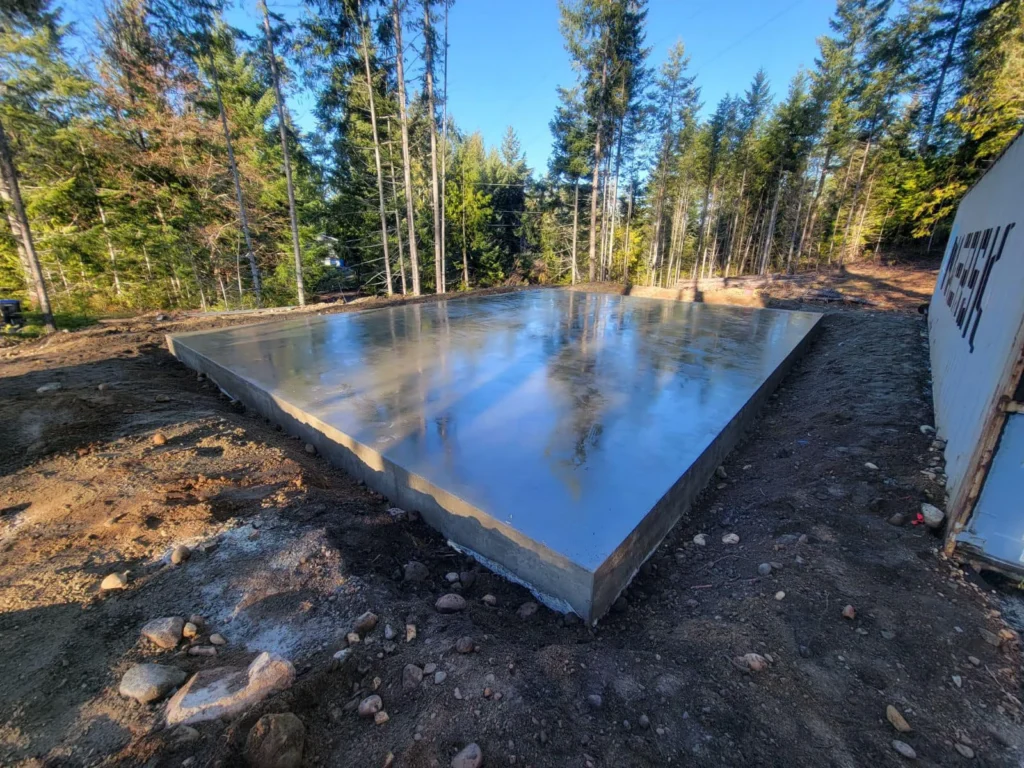
This style features a thicker perimeter—usually 12–18 inches—allowing for greater load-bearing capacity. Ideal for detached garages and areas with uneven soil.
3. Engineered Slab
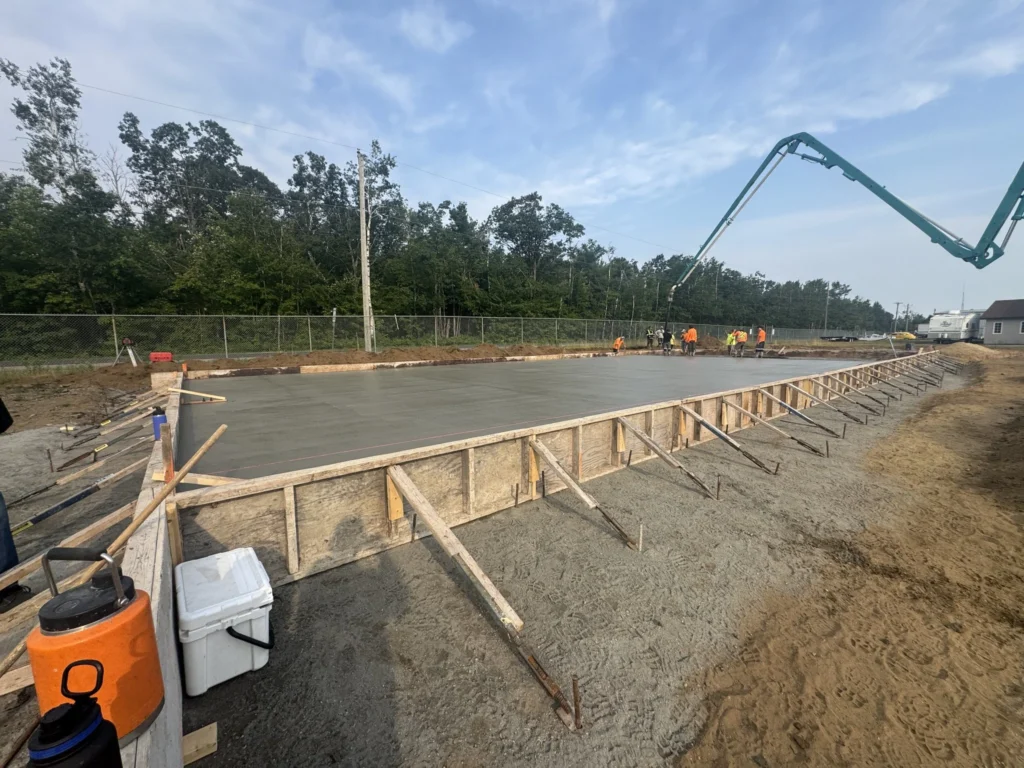
An engineered pad includes stamped drawings, specific reinforcement layouts, and drainage designs. These are required for larger garages, custom builds, and commercial applications.
4. Heated Slab
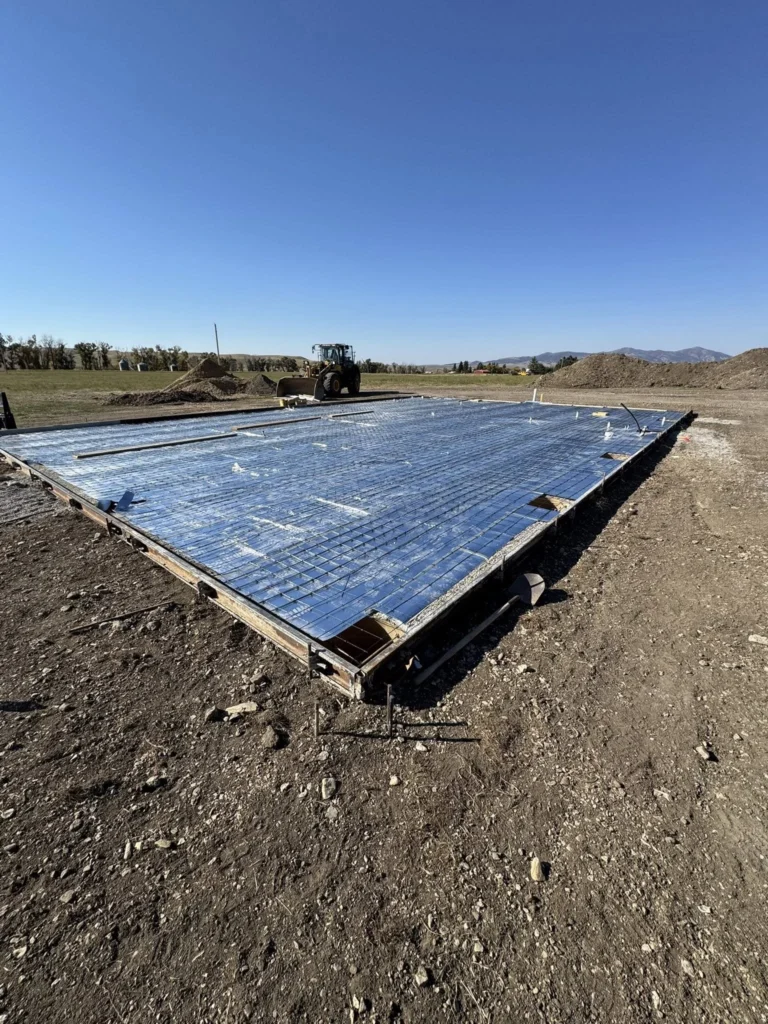
Some Edmonton homeowners choose hydronic or electric heating systems embedded beneath the slab to prevent frost buildup, melting snow quickly and improving winter usability.
“An engineered garage pad designed with proper frost protection can prevent over 80% of long-term structural issues,” says a professional contractor from Edmonton Concrete Services.
How Garage Pads Are Installed in Edmonton
The installation of a garage pad is a multi-step process requiring precision, heavy equipment, and strict adherence to Alberta building codes. A proper installation ensures the slab stays level, drains correctly, and remains resistant to cracking or shifting.
1. Site Assessment & Planning
The process starts with evaluating soil conditions, elevations, lot grading requirements, and drainage patterns. Edmonton’s bylaws require proper slopes to prevent water flow toward the house or neighbouring properties.
2. Excavation & Ground Preparation
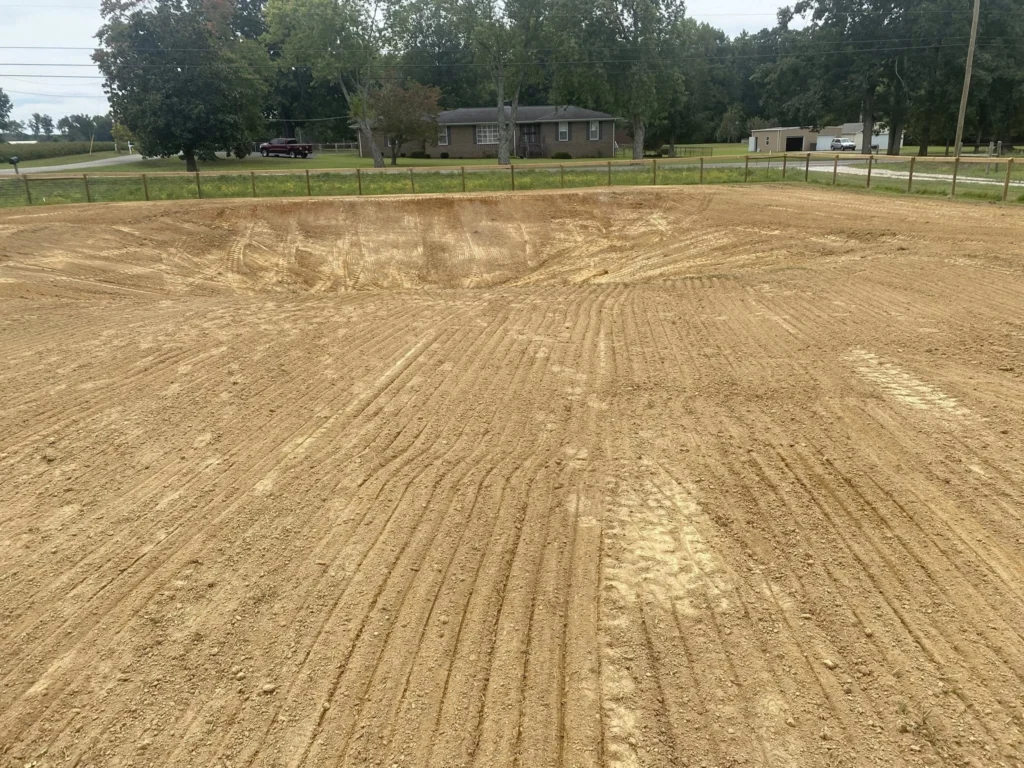
Contractors remove topsoil, clay, and organic materials, then excavate to the required depth. A compacted gravel base (typically 4–8 inches) is added to improve stability and drainage.
- Removes soft soil that causes sinking
- Ensures proper compaction and leveling
- Provides a strong base for the concrete slab
3. Forming & Reinforcement
Contractors build wooden forms around the perimeter and install reinforcement such as rebar or welded wire mesh. Rebar spacing typically ranges from 12–18 inches depending on engineering requirements.
Proper reinforcement helps:
- Prevent cracks from widening
- Strengthen the slab for heavy vehicles
- Reduce long-term maintenance costs
4. Pouring the Concrete
Concrete is poured, leveled, and finished using professional tools. In Edmonton, contractors typically use 32–35 MPa concrete with air entrainment to handle freeze–thaw cycles.
This stage includes:
- Screeding for a flat surface
- Floating to remove imperfections
- Edging and joint cutting
5. Curing & Final Finishing
The curing process is essential for achieving full concrete strength. Contractors apply curing compounds or water-based seals to protect the slab during the first 48–72 hours.
A fully cured garage pad reaches maximum strength in approximately 28 days.
How Much Do Edmonton Garage Pads Cost?
The cost of a garage pad in Edmonton can vary depending on size, thickness, reinforcement type, engineering requirements, and site conditions. On average, homeowners can expect to pay between $4,500 and $12,000+ for a professionally installed concrete garage pad.
Average Cost Breakdown
The table below provides a realistic cost range for typical Edmonton garage pad sizes:
| Garage Pad Size | Estimated Cost |
|---|---|
| Single Car (18′ × 20′) | $4,500–$7,000 |
| Double Car (20′ × 22′) | $6,000–$10,000 |
| Oversized / Custom Pad | $10,000–$15,000+ |
Expert Tip: Engineering fees, thickened edges, and difficult soil conditions can increase costs. For example, pads built on clay-heavy lots or older neighbourhoods often require deeper excavation.
What Affects the Cost?
Several factors influence the final price of a garage pad, including:
- Pad size and thickness — larger slabs require more concrete and reinforcement.
- Rebar vs. mesh reinforcement — rebar is stronger but slightly more expensive.
- Engineering drawings — required for certain builds or permit applications.
- Site access — restricted or narrow access can increase labour time.
- Gravel base depth — sites with soft soil need additional gravel.
- Drainage requirements — sloping or installing swales adds complexity.
Permits & Regulations for Garage Pads in Edmonton
Building a garage pad in Edmonton typically requires permits to ensure safety and compliance. The City of Edmonton provides clear guidelines for concrete pads associated with garages or accessory buildings.
Do You Need a Permit?
Yes — if the garage pad is part of a new garage build or structural addition. Standalone pads over a certain size also require approval.
What Permits Are Required?
- Development Permit — ensures the garage meets zoning bylaws.
- Building Permit — confirms structural and safety requirements are met.
- Engineering Approval — typically required for thickened-edge or custom pads.
Important: Many homeowners don’t realize improper drainage or incorrect slopes can violate city grading requirements. Professional installers ensure the pad meets local standards to avoid costly corrections later.
Maintenance Tips for Long-Lasting Garage Pads
A well-installed concrete garage pad requires minimal maintenance, but proactive care can extend its lifespan and preserve its appearance. Edmonton’s harsh winters make ongoing maintenance especially important.
1. Seal the Concrete Every 2–3 Years
Sealing protects the surface from moisture penetration, road salt, and freeze–thaw damage. A breathable, high-quality concrete sealer is recommended for Edmonton’s climate.
2. Avoid Using Salt in Winter
While convenient, de-icing salt can degrade concrete over time. Use gravel or sand instead to improve traction.
3. Clean Oil and Chemical Spills Quickly
Vehicle fluids can stain or weaken the surface. Clean spills immediately with a concrete-safe cleaner.
4. Repair Small Cracks Early
Minor cracks are normal but should be sealed early to prevent moisture from expanding them during winter.
5. Maintain Proper Drainage
Ensure water flows away from the slab to reduce erosion, frost heave, and slab movement.
Common Problems With Garage Pads in Edmonton (and How to Avoid Them)
Even well-built slabs can face issues over time, especially in high-moisture or clay-heavy areas. Understanding common problems helps homeowners make informed decisions and prevent costly repairs.
Cracking
Cracks can form due to temperature changes, settlement, or heavy loads. Control joints and proper reinforcement significantly reduce this risk.
Frost Heave
Poor drainage or insufficient gravel bases cause slabs to lift during winter. Ensuring proper compaction and grading prevents this problem.
Water Pooling
Improper slopes or clogged drainage routes can lead to standing water. A properly graded pad directs water away from the garage.
Sinking or Settling
This occurs when the soil beneath the pad compresses or shifts. Using a compacted gravel base and removing clay reduces sinking risks.
How to Choose the Right Edmonton Garage Pad Contractor
Selecting the right contractor ensures your garage pad is built correctly and lasts for decades. Here are key factors to look for:
- Locally experienced contractors who understand Edmonton’s soil and weather conditions.
- Proper licensing, insurance, and WCB coverage.
- Clear written quotes outlining concrete strength, thickness, rebar spacing, and gravel depth.
- Portfolio of completed garage pads in the Edmonton area.
- Transparency on permits and engineering requirements.
Pro Tip: Avoid any contractor who offers an unusually low price. Cheap concrete, skipped reinforcement, or inadequate gravel preparation are common causes of early failure.
Frequently Asked Questions (FAQ)
How thick should a garage pad be in Edmonton?
Most garage pads should be a minimum of 4 inches thick with rebar reinforcement. Engineered or heavy-duty slabs may require 6 inches or more.
How long does installation take?
Most garage pads can be installed in 1–3 days, with an additional 24–72 hours for initial curing.
Can I build a garage on an existing pad?
Yes — if the pad meets current structural and grading requirements. An inspection may be needed for older slabs.
Can garage pads be heated?
Absolutely. Hydronic or electric heating systems can be installed beneath the slab to keep the garage warm and minimize ice buildup.
How long does a concrete garage pad last?
With proper installation and maintenance, a concrete garage pad can last 30–40+ years in Edmonton.
Conclusion
A professionally installed garage pad is one of the smartest investments Edmonton homeowners can make. From improved structural stability to long-term durability and safety, the right concrete slab forms the foundation of a strong and secure garage. By understanding installation steps, costs, maintenance strategies, and contractor selection, you can ensure your garage pad performs flawlessly for decades—no matter how harsh the Alberta climate gets.
If you’re ready to build a durable, long-lasting garage pad for your home, trust the experts at Edmonton Concrete Services. With modern equipment, professional crews, and deep experience in Edmonton conditions, we deliver long-lasting concrete solutions tailored to your project.
Ready to start your project? Contact us today for a free estimate!
