
Staring at the cracked, weathered surface of your old drive in Sunnyside or planning a new development in Quarry Park? Choosing between concrete and asphalt is one of the biggest decisions you’ll make for your Calgary property. It’s more than just picking a grey colour—it’s a long-term investment in curb appeal, maintenance schedules, and value. This detailed comparison from the local team at EdmontonConcrete cuts through the confusion, laying out the real-world pros, cons, and costs you need to know.

Key Differences Between Concrete and Asphalt
At first glance, a finished driveway in Bowness or McKenzie Lake might look similar, whether it’s concrete or asphalt. The core differences, however, lie beneath the surface and dictate everything from cost to longevity. Understanding these fundamentals helps you make a choice that stands up to Deerfoot Trail traffic and Chinook-driven thaw cycles alike.
Material Composition
Concrete is a rigid pavement made from a mixture of cement, water, sand, and aggregate like gravel or crushed stone. It cures into a hard, solid slab that supports weight through its own structural strength. Asphalt, or asphalt concrete, is a flexible pavement consisting of about 95% stone and sand bound together by a viscous bitumen (asphalt cement) binder.
That binder is what gives asphalt its signature black colour and flexibility. This fundamental difference in composition directly influences how each material behaves under Calgary’s temperature swings and heavy loads.
Climate Suitability
Both materials are used worldwide, but their performance varies dramatically with climate. Asphalt’s flexibility makes it better at handling ground movement and slight heaving from frost, common in areas with expansive clay soil like many Calgary communities. Concrete’s rigidity makes it exceptionally durable but more prone to cracking if the base isn’t perfectly prepared for our freeze-thaw cycles.
Hot summers are another key factor. Asphalt softens slightly in high heat, which is why you might see temporary tire marks on a hot day in the Beltline. Concrete, however, reflects more heat and remains dimensionally stable, making it a consistent performer through our summer heatwaves.
Lifespan and Durability
When properly installed and maintained, concrete significantly outlasts asphalt. A high-quality concrete driveway can last 30 to 40 years or more. A well-built asphalt driveway typically lasts 15 to 20 years before requiring a full replacement.
Durability also refers to resistance to wear. Concrete is highly resistant to oil spills, UV degradation, and de-icing chemicals. Asphalt is more susceptible to damage from oil and gas drips, which can break down the binder, and requires protection from UV rays to prevent it from becoming brittle and grey.
Asphalt Driveways
Known for its smooth, dark finish and lower initial price tag, asphalt is a popular choice for many Calgary driveways and commercial lots. Let’s break down what choosing asphalt really means for your home in Tuscany or your commercial property near the airport.
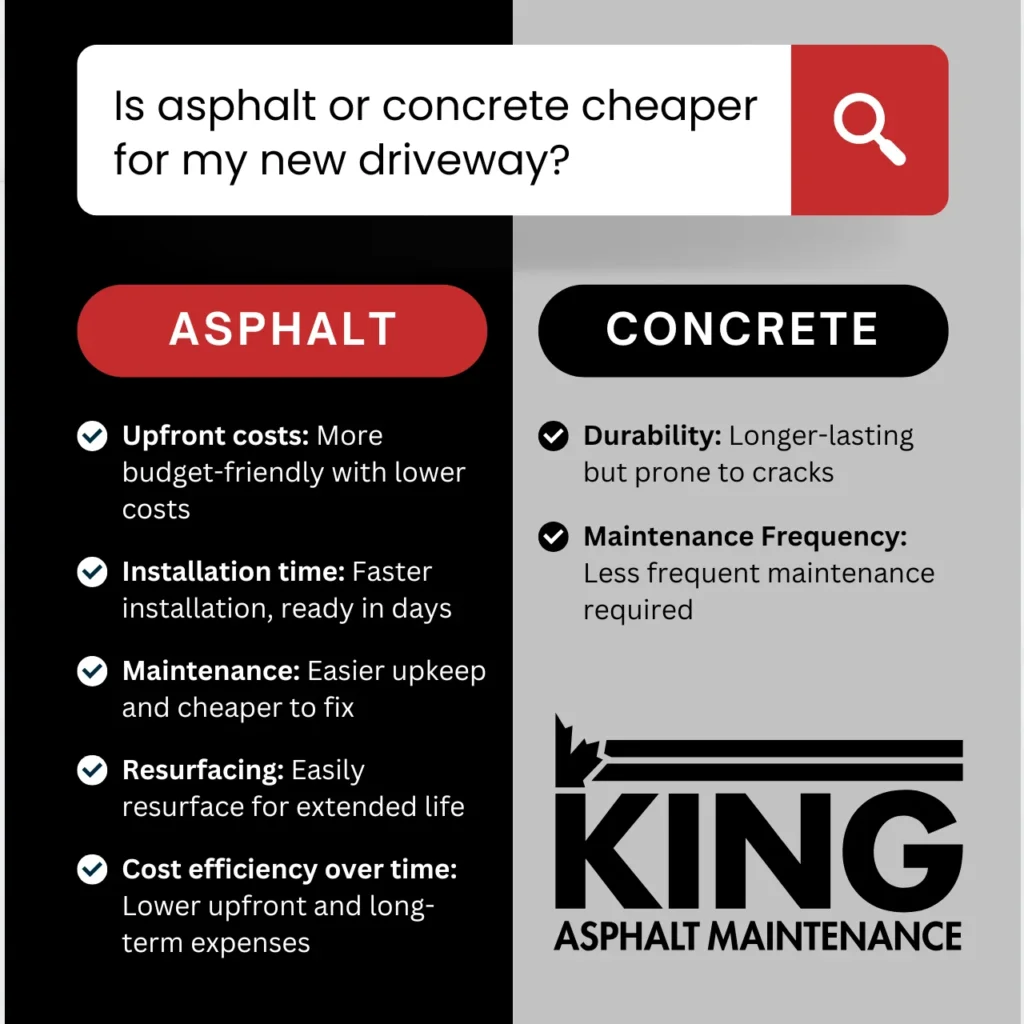
Pros of Asphalt
The most immediate advantage of asphalt is its lower upfront cost compared to concrete, which we’ll detail in the cost section. It’s also faster to install; a crew can often complete and compact an asphalt driveway in a single day, and it’s ready for light use within 24-48 hours after cooling.
Its flexibility is a major asset in our climate. Asphalt can bend slightly with ground movement, reducing the likelihood of major cracks from frost heave. Repairs are also generally simpler and less expensive, involving patching or overlaying rather than full slab replacement.
Cons of Asphalt
The trade-off for a lower initial cost is a higher maintenance commitment. Asphalt requires sealing every 2-3 years to protect its surface from water, oil, and UV rays. Without regular sealing, it oxidizes, turns grey, and becomes brittle, leading to cracks and raveling (loss of aggregate).
It has a shorter overall lifespan and is more vulnerable to damage from automotive fluids. Its dark colour also absorbs heat, contributing to minor softening in peak summer temperatures and potentially leading to a hotter microclimate around your home.
Cost of Asphalt Driveways
For a standard residential driveway in Calgary, asphalt installation costs typically range from $8 to $12 per square foot. This price includes site preparation, a compacted gravel base, and the asphalt layering and compaction. For a typical 600 sq ft double driveway, you’re looking at an initial investment of $4,800 to $7,200.
These costs can fluctuate based on accessibility, the complexity of the site grading, and the current price of oil, which affects the cost of bitumen. Always ensure your quote includes a detailed breakdown of the base preparation, as a poor base is the leading cause of premature asphalt failure.
Installation Time
Speed is a key selling point for asphalt. The installation process is relatively quick. After the sub-base is graded and compacted, hot-mix asphalt is delivered, spread with a paver, and rolled with a heavy compactor.
The driveway needs to cool and harden, but it can usually handle vehicle traffic within a day or two. This quick turnaround minimizes disruption, a crucial factor for businesses or homeowners who need reliable access.
Bottom line: if you need a new driveway fast, asphalt delivers a usable surface in minimal time.
Maintenance Requirements
Asphalt maintenance is non-negotiable. A proper maintenance regimen starts with a protective sealcoat applied 6-12 months after installation and then reapplied every 2-3 years. This sealant fills small surface voids, restores the rich black colour, and blocks water and oil penetration.
You should also perform visual inspections each spring after the thaw. Look for new small cracks, which should be cleaned and filled with a rubberized crack filler to prevent water from seeping in and undermining the base. Ignoring these small steps leads to potholes and expensive repairs.
Repair and Resurfacing
Common asphalt repairs include filling cracks, patching potholes, and applying a new wear layer or “overlay.” Crack filling is a routine DIY or professional task. Pothole repair involves cutting out the damaged area, replacing the base material, and compacting new hot-mix asphalt into the hole.
When the surface shows widespread cracking, raveling, or oxidation, a 1.5 to 2-inch overlay can resurface the driveway, extending its life for another 8-12 years. This is far more cost-effective than a full tear-out and rebuild, making asphalt repairs generally more affordable than comparable concrete fixes.
Best For (Climate and Use Cases)
Asphalt is an excellent choice for homeowners on a tighter initial budget who are committed to regular maintenance. It’s ideal for properties with soil conditions prone to slight movement. Its quick installation also makes it perfect for commercial parking lots, secondary access roads, and projects where minimizing downtime is critical.
In Calgary’s climate, its flexibility is a genuine advantage, especially in neighbourhoods with significant clay content in the soil. If you prioritize initial savings and a faster project timeline, asphalt deserves serious consideration.
If you’re planning a long-lasting upgrade, explore our Concrete Driveways in Edmonton to see how durable installations perform in local conditions.
Concrete Driveways
Synonymous with strength and longevity, a concrete driveway is a premium upgrade that defines curb appeal for decades. For homes in upscale communities like Aspen Woods or for demanding commercial applications, concrete offers a different set of benefits.
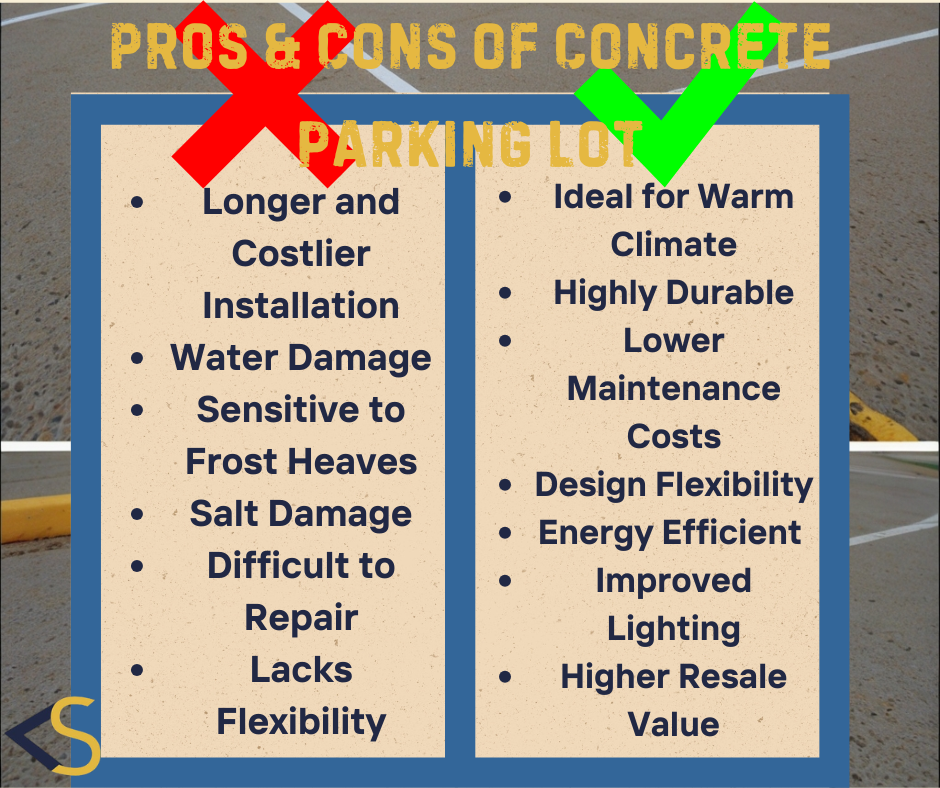
Pros of Concrete
The foremost advantage of concrete is its exceptional lifespan, often doubling or tripling that of asphalt. It offers superior durability against heavy loads, chemical spills, and UV radiation. Concrete also provides unparalleled design flexibility, available in a wide array of colours, textures (broom, exposed aggregate, stamped), and patterns.
It requires significantly less routine maintenance than asphalt—no regular sealing is necessary. Its light colour reflects heat, keeping your property cooler in summer and reducing ice melt speed in winter, which can be a slight safety benefit.
Cons of Concrete
The primary drawback is the higher initial installation cost. Concrete is also more susceptible to cracking if the ground beneath it shifts or heaves, demanding expert sub-base preparation, especially in Calgary. While it cracks less frequently, repairing concrete is often more complex and costly than repairing asphalt.
The installation process is slower due to the required curing time. You cannot drive on a new concrete driveway for at least 7 days, and it takes a full 28 days to reach its maximum strength. In our short construction season, timing this cure period around rain or early frost is crucial.
Cost of Concrete Driveways
For a standard grey, broom-finished concrete driveway in Calgary, expect costs between $15 and $25 per square foot. This wide range accounts for the complexity of the finish, site accessibility, and the thickness of the slab. That same 600 sq ft driveway translates to an initial investment of $9,000 to $15,000.
Upgrades like colour, stamping, or exposed aggregate finishes can push the price toward $30+ per square foot. While the sticker shock is real, you must weigh this against decades of minimal maintenance and the added property value a beautiful concrete driveway provides.
Installation Time and Curing
Concrete installation is a multi-day process. After meticulous site preparation and forming, the concrete is poured, leveled, and finished. The critical phase that follows is curing—a controlled process of keeping the concrete moist and at a stable temperature to develop its strength.
In Calgary’s variable climate, proper curing is paramount. The slab must be protected from rapid drying (wind/sun) and freezing temperatures during this period. Rushing to use the driveway before it’s fully cured is a common mistake that leads to premature surface damage and reduced lifespan.
Maintenance Requirements
Concrete maintenance is largely preventative and non-invasive. The most important task is applying a high-quality penetrating sealer every 3-5 years. Unlike asphalt’s topical coating, this sealer sinks into the pores to block water and de-icing salts while allowing the concrete to breathe.
You should keep the surface clean of debris and avoid using harsh de-icers like rock salt, which can cause surface scaling. Instead, use sand or concrete-safe alternatives for traction in the winter. Regularly washing the driveway prevents dirt and oil from staining the surface.
Repair and Resurfacing
Concrete repairs are typically more involved. Hairline cracks are often cosmetic, but widening cracks or sections that have settled require professional attention. Repair methods include epoxy injection for cracks or “mudjacking” to lift sunken slabs.
For widespread surface wear or cosmetic updates, concrete can be resurfaced with a thin layer of polymer-modified concrete or overlayed with paving stones. However, major structural issues often necessitate partial or full replacement, which is a significant investment.
Best For (Climate and Use Cases)
Concrete is the best choice for homeowners seeking maximum longevity, design versatility, and low ongoing maintenance. It’s ideal for high-traffic areas, driveways that will see frequent turning movements from RVs or trailers, and for adding instant curb appeal and value to your property.
In Calgary, its performance is excellent provided the installation includes proper base preparation, adequate control joints, and reinforcement (like rebar or fibre) to manage the stresses of our climate. If you view your driveway as a permanent, value-adding feature, concrete is the superior material.
For homeowners focused on quality and consistency, our Reliable Concrete Driveways Edmonton service ensures expert installation built for harsh climates.
Bottom line: choose concrete for a “set it and forget it” driveway that elevates your property’s aesthetic for generations.

Cost Comparison
Let’s move beyond per-square-foot estimates and look at the real financial picture over 20 years. This long-term view is essential, as the cheapest option today can become the most expensive one tomorrow.
Initial Installation Costs
Asphalt consistently wins on day-one costs. For a standard installation, asphalt costs about 40-50% less upfront than basic concrete. This lower barrier to entry makes it accessible for more budgets and for large commercial areas where covering vast square footage is necessary.
Concrete commands a premium price due to the cost of materials, the skilled labour required for finishing, and the longer project timeline. This initial investment, however, buys you a product with a much longer expected service life.
Long-Term Maintenance Costs
This is where the comparison flips. Over 20 years, an asphalt driveway will require 6-8 sealcoating applications and likely some crack filling or patching. These ongoing costs, while individually modest, add up.
Concrete, with its need for only occasional sealing and minimal repairs, has dramatically lower cumulative maintenance costs over the same period. When you factor in the potential need for an asphalt overlay or early replacement, concrete often proves to be the more economical choice in the long run.
Repair Costs
Asphalt repairs are generally cheaper per incident. Filling a crack or patching a pothole is a straightforward fix. A full asphalt overlay to renew a worn surface is also a cost-effective way to extend life.
Concrete repairs are less frequent but more expensive. Fixing a cracked or settled slab involves specialized materials and techniques, making even minor professional repairs a more significant line item. This makes a flawless initial installation by a pro like EdmontonConcrete absolutely critical to avoid future repair bills.
According to industry standards from the Portland Cement Association, proper curing is essential for maximizing concrete lifespan.
| Factor | Concrete Driveway | Asphalt Driveway |
|---|---|---|
| Cost | $15 – $25+ / sq ft | $8 – $12 / sq ft |
| Durability | Very High (30-40+ years) | Moderate (15-20 years) |
| Best For | Long-term value, aesthetics, heavy loads | Budget-friendly start, quick install, flexible base |
| Calgary Climate Suitability | Excellent with proper base & joints | Excellent due to flexibility |
| Maintenance Required | Low (Seal every 3-5 yrs) | High (Seal every 2-3 yrs) |
Weather Performance
Calgary’s weather is a true test for any building material, with its infamous freeze-thaw cycles, Chinooks, and temperature extremes. Your driveway choice must be a partner in weathering these storms.
Cold Climate Considerations
Both materials perform in cold weather, but react differently. Asphalt becomes stiffer and more brittle in deep cold, which can make existing cracks more prone to propagation. Concrete remains rigid, but if water penetrates cracks and freezes, the expansion can spall (pop out) the surface.
The key for both is keeping water out. A well-sealed surface of either type is your first line of defense against winter damage. Proper drainage away from the slab is equally critical to prevent water from pooling and freezing at the edges.
Hot Climate Considerations
Our summer sun is intense. Asphalt’s dark colour absorbs solar radiation, causing it to soften slightly. This can lead to temporary ruts from parked cars and requires it to be strong enough to resist deformation under load on the hottest days.
Concrete’s light colour reflects more heat, keeping its surface cooler and stable. This thermal stability means it won’t soften, making it a consistent performer for homeowners in sun-drenched communities like Evergreen.
Freeze-Thaw Cycles
This is Calgary’s greatest pavement challenge. Water seeps into microscopic pores. When it freezes, it expands by 9%, creating internal pressure. Over hundreds of cycles, this “hydraulic jacking” breaks apart the material from within.
High-quality, air-entrained concrete is designed with microscopic air bubbles to give this expanding water a place to go, reducing internal pressure. For asphalt, a dense, impermeable surface achieved through good compaction and sealing is the best defense against destructive freeze-thaw action.
Salt and De-icer Damage
Chemical de-icers are tough on driveways. Rock salt (sodium chloride) is particularly harmful to concrete, accelerating surface scaling and corrosion of any embedded steel. It can also track into your home and damage landscaping.
Asphalt is more chemically resistant to salts, but the salts can be tracked onto it and contribute to corrosion of vehicles. For both materials, using sand for traction or a concrete-safe alternative like calcium magnesium acetate is a much kinder choice for your investment.
Bottom line: there’s no perfect, invincible material—only the right one installed and maintained correctly for our specific conditions.

Aesthetics and Customization
Your driveway is a huge part of your home’s first impression. The right choice can complement your architecture and express your personal style, whether you’re in a modern infill in Bridgeland or a traditional home in Mount Royal.
Visual Options for Concrete
Concrete is the undisputed champion of customization. Beyond the standard grey broom finish, you can choose coloured concrete (integral or stained), exposed aggregate (where the decorative stones are revealed), or stamped concrete that mimics brick, slate, or cobblestone.
You can add scoring patterns, borders, and even inlays. This vast design palette allows your driveway to become a seamless extension of your home’s exterior design, adding significant visual value that asphalt simply cannot match.
Visual Options for Asphalt
Asphalt’s aesthetic options are more limited but evolving. The standard is a smooth, uniform black surface. However, you can now find coloured asphalt sealants that offer tones like dark green, brown, or red, though they still have a different sheen than concrete.
Stamped asphalt overlays are also an emerging option, applying a patterned layer over standard asphalt. While these increase cost, they offer more visual appeal for those committed to the asphalt material choice but wanting enhanced curb appeal.
Color and Design Flexibility
If a specific colour or intricate pattern is a top priority, concrete is your only real choice. Integral colours are mixed throughout the slab, so they won’t wear off. Stains can create beautiful, variegated effects. This flexibility lets you match your home’s trim, blend with natural stone, or create a unique statement.
Asphalt’s colour flexibility is primarily surface-deep through sealcoats. For homeowners and developers where aesthetic control is paramount, the design versatility of concrete is often the deciding factor.
Durability and Lifespan
Durability isn’t just about lasting a long time; it’s about performing well under specific stresses. Let’s compare how these materials handle the daily grind and the test of time on a Calgary property.
Concrete Lifespan
With proper installation and minimal care, a concrete driveway has a functional lifespan of 30 to 40 years, and often much longer. Its strength increases over time as it continues to cure slowly. It resists deformation under heavy, static loads—perfect for RVs, dumpsters, or frequent parking in the same spot.
The lifespan is directly tied to the quality of the initial pour. Factors like the concrete mix design, thickness (4″ minimum for residential, 6″ for heavier use), proper control joint placement, and reinforcement all contribute to a slab that will serve your family for decades.
Asphalt Lifespan
A well-constructed and meticulously maintained asphalt driveway typically lasts 15 to 20 years before deterioration necessitates major rehabilitation or replacement. Its lifespan is more heavily influenced by maintenance; skipping sealcoating can shorten its life by years.
It remains serviceable throughout its life but will show signs of aging, such as fading, minor surface cracking, and a gradual loss of the smooth, fresh-paved appearance. A timely overlay around the 15-year mark can effectively “reset the clock” for another long stretch of service.
Load Capacity
For standard passenger vehicles, both materials are more than adequate. The difference appears with heavy, concentrated loads. Concrete’s rigid structure distributes point loads (like a jack stand) over a wider area, making it less likely to indent or rut.
Asphalt, as a flexible pavement, can deform under very heavy, stationary loads, especially in warm weather. For driveways that will regularly hold delivery trucks, construction equipment, or heavy trailers, concrete’s superior load-bearing capacity is a major advantage.
Resistance to Damage
Concrete is highly resistant to damage from oil, gasoline, and hydraulic fluid spills. It is also impervious to UV damage—it won’t fade or degrade from sunlight. Its main vulnerability is impact damage from sharp, heavy objects dropped from a height.
Asphalt is susceptible to damage from petroleum-based fluids, which can dissolve the bitumen binder. UV rays cause it to oxidize and become brittle. It is also more prone to damage from snowplow blades or sharp-edged shovels if not careful during winter clearing.
Deciding Factors: Which Should You Choose?
Now that you have the full picture, how do you make the final call for your Calgary home or business? Let’s simplify the decision into four key pillars.
Climate Considerations
Both materials work in Calgary, but your property’s specific microclimate matters. For areas with known soil instability or significant clay content, asphalt’s flexibility can be a benefit. For a stable, well-drained lot, concrete’s rigidity offers unparalleled longevity.
Consider sun exposure and drainage. A south-facing driveway in Lake Bonavista that gets full sun might favour concrete for its heat resistance. A shaded, low-lying area that stays wet longer needs exceptional drainage regardless of material, but asphalt may handle the moisture slightly better.
Budget Priorities
Is your priority minimizing the initial cash outlay, or maximizing value over 25 years? If upfront cost is the absolute limiting factor, asphalt is the clear choice. If you can invest more today to save on maintenance and replacement costs in the future, concrete provides better long-term value.
Don’t forget to factor in your own time and willingness to perform maintenance. If you dislike the idea of resealing every few years, the low-maintenance nature of concrete is a form of long-term value in itself.
Aesthetic Preferences
Drive past homes in your desired neighbourhood like Silver Springs or Edgemont. What complements the architectural style you love? For a sleek, modern look or a classic, high-end appearance, concrete’s design versatility is usually the preferred path.
If you prefer a simple, uniform, dark surface and it fits the character of your home and street, asphalt provides a clean, functional look. Be honest about how much visual appeal weighs in your decision.
Long-Term Value
Concrete almost always adds more resale value to a home. It’s perceived as a premium, permanent upgrade. A beautiful stamped concrete driveway is a standout feature in a real estate listing. Asphalt is viewed as standard; it’s expected but not a value-adding feature.
For a forever home, invest in the material that will last the longest with the least hassle. For a property you plan to sell in 5-10 years, the cost-benefit analysis might shift. In almost every scenario focused on lasting quality, the team at EdmontonConcrete sees concrete as the superior investment for Calgary homeowners.
FAQ: Concrete vs. Asphalt Driveways in Calgary
Let’s tackle some of the most common questions we get from Calgary homeowners standing at this crossroads.
Which driveway material is more environmentally friendly?
This is a complex question with nuances for Calgary. Concrete production has a higher initial carbon footprint, but its extremely long lifespan spreads that impact over decades. It’s also often produced locally, reducing transportation emissions. Asphalt is 100% recyclable, and old asphalt is frequently reclaimed and reused in new roads, a significant environmental plus. For a true eco-conscious choice, discuss permeable paving options with your contractor, which both materials can offer to manage stormwater runoff.
Can asphalt be stamped or coloured to look like concrete?
While technologies are improving, asphalt cannot truly replicate the look and feel of stamped or integrally coloured concrete. Coloured sealcoats exist but sit on the surface and will wear off with traffic and resealing, requiring reapplication. Stamped asphalt overlays create texture but lack the depth and colour variation of real stone or brick. If achieving a specific, high-end aesthetic is your goal, concrete remains the only reliable choice.
How does Calgary’s hard water affect my driveway?
Calgary’s mineral-rich water can leave white, chalky deposits called efflorescence on new concrete as it cures and water evaporates. This is normal, harmless, and usually weathers away or can be cleaned with a mild acid wash. For asphalt, hard water has no direct damaging effect. However, if you use an irrigation system that sprays hard water onto the driveway, the constant wet-dry cycles can accelerate wear on either surface, so aim sprinklers away from the pavement.
I have a steep driveway. Does that affect the choice?
Absolutely. For steep driveways in communities like Cougar Ridge or Dalhousie, traction is a major safety concern. Asphalt generally provides better traction in icy conditions due to its slightly textured surface. Concrete can be finished with a heavy broom or exposed aggregate texture to improve grip. Drainage is also more critical on a slope; both materials require expert grading to ensure water runs off quickly and doesn’t pool, which leads to ice formation and accelerated deterioration.
Our Verdict
After weighing every factor—cost, climate, maintenance, and aesthetics—the right choice becomes clear for most Calgary homeowners. If your primary constraint is an absolute minimum initial budget and you are dedicated to a strict 2-3 year resealing schedule, asphalt is a viable, functional option. Its flexibility suits our ground conditions, and repairs are straightforward.
However, for the vast majority seeking a durable, beautiful, and long-term addition to their property, concrete is the superior investment. Its exceptional 30-40+ year lifespan, minimal maintenance needs, and unbeatable design flexibility deliver far greater value over time. It withstands Calgary’s climate brilliantly when installed correctly and adds undeniable curb appeal and resale value.
Ready to invest in a driveway that lasts a generation? The experienced team at Edmonton Concrete specializes in crafting high-performance concrete driveways built for Calgary’s unique challenges. We handle everything from expert base preparation to the final finishing touches, ensuring your new driveway is an asset, not a headache. Contact us today for a detailed quote on your concrete vs. asphalt driveway project.
