
Edmonton’s climate is tough on concrete. From deep-freezing winters and relentless freeze-thaw cycles to summer heat, UV exposure, and de-icing salts, concrete surfaces in the Edmonton area face year-round stress. Without proper protection, even well-poured concrete can crack, scale, and deteriorate far sooner than expected. This is why concrete sealing in Edmonton isn’t just an optional upgrade—it’s a critical part of long-term concrete maintenance.
Whether you own a concrete driveway, patio, sidewalk, garage slab, or decorative flatwork, sealing acts as a defensive barrier between your concrete and Alberta’s harsh elements. In this guide, we’ll walk you through how Edmonton weather affects concrete, what concrete sealing actually does, and which sealing solutions work best in cold climates. Our goal is to help you make informed decisions that protect your investment and extend the life of your concrete surfaces.
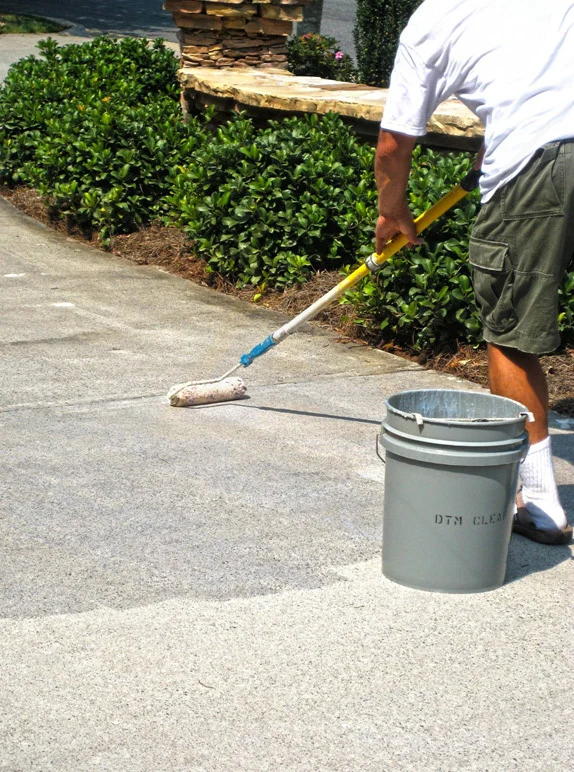
Understanding Edmonton’s Weather Impact on Concrete
Concrete may look solid and impermeable, but in reality, it is a porous material. Tiny capillaries within the concrete allow water, salts, and chemicals to penetrate the surface. In a climate like Edmonton, Alberta, where temperatures frequently swing above and below freezing, this moisture becomes the root cause of most concrete damage.
Freeze-Thaw Cycles and Concrete Expansion
Edmonton experiences dozens—sometimes hundreds—of freeze-thaw cycles each year. When water seeps into unsealed concrete and freezes, it expands by roughly 9%. That expansion creates internal pressure, slowly forcing the concrete apart from the inside.
- Micro-cracks form beneath the surface
- Repeated freezing widens these cracks
- Over time, visible cracking and surface flaking appear
According to materials engineering studies, freeze-thaw damage is one of the leading causes of premature concrete failure in cold regions. Proper concrete sealing in Edmonton dramatically reduces water absorption, minimizing internal expansion and structural stress.
Snow, Ice, and De-Icing Chemicals
Winter maintenance practices add another layer of risk. De-icing salts and chemical ice melters help keep walkways safe, but they are extremely harsh on unprotected concrete. These salts penetrate the surface, accelerating corrosion and surface scaling.
Common signs of salt-related damage include:
- Surface pitting and scaling
- White residue (efflorescence)
- Premature surface erosion
Sealed concrete is far more resistant to salt intrusion, making driveway and sidewalk sealing especially important for Edmonton homeowners who rely on ice melt products throughout winter. Professional sealing works hand-in-hand with winter concrete damage prevention practices to create a comprehensive approach that addresses both chemical exposure and moisture penetration.
UV Exposure and Summer Heat Stress – Long-Term Damage and Surface Deterioration
When concrete damage becomes extensive due to years of weather exposure, property owners often face resurfacing vs replacement decisions. Regular sealing helps prevent the severe surface deterioration that makes these difficult choices necessary, preserving the structural integrity of concrete and avoiding costly interventions down the road.
While winter damage gets most of the attention, Edmonton’s summers can also degrade concrete. Prolonged UV exposure dries out the cement paste, weakens surface binders, and causes color fading—especially on decorative or exposed aggregate concrete.
High-quality sealers help maintain moisture balance within the slab, reducing surface drying and preserving both strength and appearance during hot, sunny months.
What Is Concrete Sealing and How Does It Work?
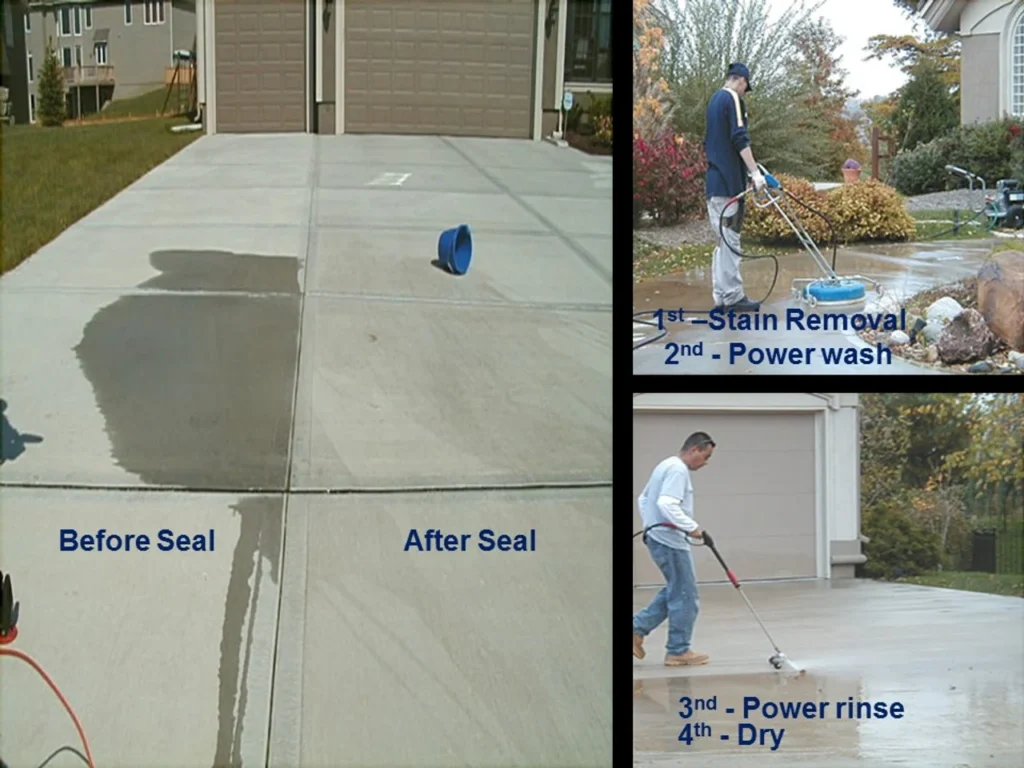
Concrete sealing is the process of applying a protective product to the surface of cured concrete. This product either penetrates into the concrete’s pores or forms a thin protective layer on top, depending on the type of sealer used.
The primary purpose of sealing is simple: limit moisture and contaminant penetration while allowing the concrete to breathe. When done correctly, sealing significantly slows down deterioration caused by water, chemicals, temperature changes, and wear.
Definition of Concrete Sealing
In practical terms, concrete sealing involves applying a liquid sealer that:
- Reduces water absorption
- Blocks salts and chemicals
- Protects against surface wear
- Extends the lifespan of the concrete
Unsealed concrete absorbs water like a sponge. Sealed concrete, on the other hand, repels moisture and resists environmental damage—an essential difference in Edmonton’s climate.
How Sealers Protect Against Water, Salt, and Temperature
Concrete sealers work in two main ways:
- Penetrating sealers soak into the concrete and chemically bond within the pores, creating water repellency from the inside.
- Surface sealers form a protective film that shields the concrete from direct exposure.
The best concrete sealing services in Edmonton focus on breathable protection. This means moisture vapor can escape from within the slab while external water is kept out—preventing trapped moisture that could otherwise cause internal damage.
Types of Concrete Sealers Used in Edmonton
Not all concrete sealers perform equally in cold climates. Choosing the wrong product can lead to peeling, discoloration, or reduced protection. Below are the most commonly used concrete sealers for Edmonton conditions, along with where each one performs best.
Penetrating Sealers (Silane / Siloxane)
Penetrating sealers are widely considered the best option for concrete sealing in Edmonton. These products soak deep into the concrete and chemically react within the pores, creating long-lasting water repellency without altering the surface appearance.
Key benefits include:
- Excellent freeze-thaw resistance
- No surface film to peel or flake
- Long lifespan (often 5–10 years)
- Ideal for driveways, sidewalks, and patios
Because they don’t change surface texture, penetrating sealers maintain natural slip resistance—an important safety factor for winter conditions.
Acrylic Sealers
Acrylic sealers form a thin protective film on the surface of the concrete. They are often used when appearance matters, as they can enhance color and provide a satin or glossy finish.
However, in Edmonton’s climate, acrylic sealers require careful selection and maintenance:
- Shorter lifespan (typically 2–5 years)
- May require reapplication more frequently
- Can be vulnerable to peeling if moisture is trapped
Acrylic sealers are best suited for decorative concrete in sheltered or lower-traffic areas rather than high-exposure driveways.
Epoxy and Polyurethane Sealers
Epoxy and polyurethane coatings are high-performance sealers most commonly used in commercial or interior environments such as garage floors and industrial slabs.
While extremely durable, they are generally not recommended for exterior Edmonton concrete unless professionally specified. Temperature sensitivity and limited breathability can cause issues if applied incorrectly in cold climates.
Comparing Concrete Sealers for Alberta Weather
| Sealer Type | Freeze-Thaw Resistance | Lifespan | Best Use |
|---|---|---|---|
| Penetrating (Silane/Siloxane) | Excellent | 5–10 Years | Driveways, sidewalks, patios |
| Acrylic | Moderate | 2–5 Years | Decorative concrete |
| Epoxy / Polyurethane | Low (Exterior) | 5–10 Years | Garages, interior slabs |
Selecting the right sealer is one of the most important decisions in protecting concrete from Edmonton’s harsh environment. In the next section, we’ll explore the best timing for sealing concrete and how seasonal conditions affect performance.
When Is the Best Time to Seal Concrete in Edmonton?
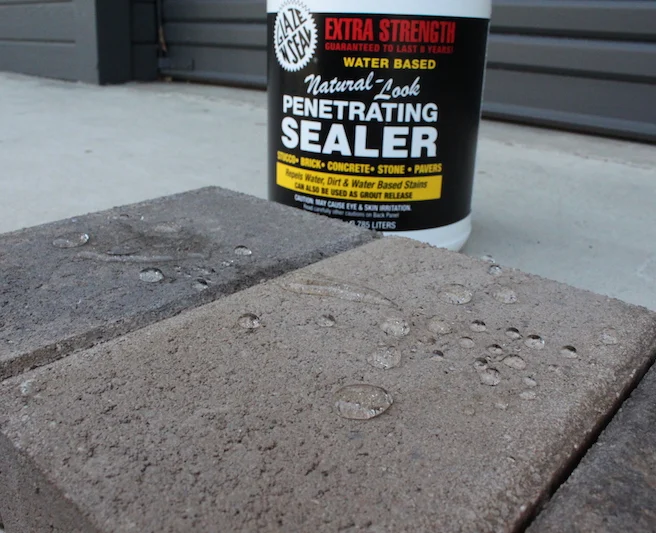
Timing plays a critical role in the success of concrete sealing in Edmonton. Even the best sealer can fail if applied under the wrong conditions. Because Alberta weather can change quickly, understanding seasonal timing helps ensure maximum performance and longevity.
Ideal Sealing Temperatures
Most professional-grade concrete sealers perform best when applied in mild, stable conditions. As a general rule, the ideal temperature range for sealing concrete is:
- Daytime temperatures between 10°C and 25°C
- No overnight freezing during curing
- Dry weather for at least 24–48 hours
In Edmonton, these conditions are most common in late spring, summer, and early fall. Proper curing during this window allows the sealer to bond correctly and deliver full protection.
Sealing Before Winter vs. After Installation
One of the most common questions homeowners ask is whether they should seal concrete before winter. In most cases, the answer is yes—as long as the concrete has fully cured.
New concrete typically requires:
- At least 28 days of curing before sealing
- Longer curing for thicker slabs or cooler conditions
Sealing before winter helps prevent water penetration during freeze-thaw cycles, reducing cracking and surface damage during Edmonton’s harsh winter months.
Can You Seal Concrete in Cold Weather?
Cold-weather sealing is possible, but it requires experience and the right products. Some penetrating sealers are designed for lower-temperature application, but improper timing can still lead to failure.
This is where professional concrete sealing services in Edmonton offer a major advantage—contractors understand local temperature patterns and product limitations, minimizing risk.
Surfaces That Benefit Most from Concrete Sealing
Almost any exterior concrete surface in Edmonton benefits from sealing, but some areas experience far more exposure and wear than others.
Concrete Driveways
Driveways take the brunt of Edmonton’s climate. Vehicle traffic, snow buildup, ice melt, and oil stains all accelerate deterioration.
Sealing a concrete driveway helps:
- Reduce freeze-thaw cracking
- Block salt and oil penetration
- Extend surface lifespan by years
Patios, Walkways, and Sidewalks
These surfaces are constantly exposed to moisture and temperature swings. Sealing helps preserve appearance while improving durability and safety.
Modern sealers can also be formulated to maintain slip resistance—an important factor during wet or icy conditions.
Garage Slabs and Basement Floors
Even interior concrete benefits from sealing. Moisture vapor from the ground can migrate upward, leading to dusting, staining, and long-term degradation.
Sealed garage and basement slabs are easier to clean, more stain-resistant, and better protected against moisture intrusion.
Decorative and Exposed Aggregate Concrete
Stamped, colored, or exposed aggregate concrete requires sealing not just for protection, but also for aesthetics. Sealers enhance color depth and help prevent surface erosion.
The Concrete Sealing Process (Step-by-Step)
Professional concrete sealing is far more than simply rolling on a product. Each step plays a role in ensuring durability and performance.
Surface Inspection and Preparation
Before sealing, the concrete must be thoroughly inspected and cleaned. This includes:
- Checking for cracks and surface damage
- Pressure washing to remove dirt, oil, and residues
- Ensuring the surface is dry and contaminant-free
Crack Repair Before Sealing
Sealing over cracks without proper repair traps moisture and accelerates damage. Professional contractors address cracks first, ensuring a uniform protective barrier.
Sealer Application Methods
Depending on the sealer type, application may involve:
- Low-pressure spraying
- Roller or brush application
- Multiple coats for high-exposure areas
Coverage rates and curing times are carefully controlled to ensure consistent results.
Curing and Post-Application Care
After application, the sealer must cure properly. Most surfaces are safe for light use within 24 hours, but full curing may take several days depending on product and weather.
DIY Concrete Sealing vs. Hiring a Professional in Edmonton
Risks of DIY Concrete Sealing
While DIY sealing kits are widely available, they often lead to disappointing results. Common issues include:
- Incorrect product selection for cold climates
- Poor surface preparation
- Uneven application and premature failure
Benefits of Professional Concrete Sealing Services
Hiring an experienced Edmonton concrete contractor provides:
- Climate-specific product selection
- Professional-grade materials
- Proper prep, application, and curing
The result is longer-lasting protection and fewer costly repairs down the road.
Cost Comparison and Long-Term Value
While professional sealing may cost more upfront, it often saves thousands in future repairs. Studies show that sealed concrete can last 30–50% longer than unsealed surfaces in freeze-thaw environments.
How Long Does Concrete Sealing Last?
Expected Lifespan by Sealer Type
- Penetrating sealers: 5–10 years
- Acrylic sealers: 2–5 years
- Epoxy/polyurethane coatings: 5–10 years (interior)
Signs Your Concrete Needs Resealing
If water no longer beads on the surface or darkens the concrete when wet, it’s time to reseal.
Common Concrete Sealing Mistakes in Edmonton
- Sealing before concrete is fully cured
- Using non-breathable sealers outdoors
- Ignoring drainage and surface slope issues
Concrete Sealing FAQs
Is concrete sealing worth it in Edmonton?
Yes. Given Edmonton’s freeze-thaw cycles and winter conditions, sealing is one of the most cost-effective ways to protect concrete.
How soon after pouring concrete can you seal it?
Most concrete should cure for at least 28 days before sealing.
Does sealing make concrete slippery?
Properly selected sealers maintain or enhance slip resistance when applied correctly.
How much does concrete sealing cost in Edmonton?
Costs vary by surface size and sealer type, but sealing is far less expensive than replacing damaged concrete.
Can sealing prevent cracks completely?
Sealing reduces moisture-related cracking but cannot prevent all structural movement or settling cracks.
Why Choose Edmonton Concrete Services for Concrete Sealing?
At Edmonton Concrete Services, we understand the demands Alberta weather places on concrete. Our experienced team uses climate-appropriate sealers, professional equipment, and proven processes to protect your investment.
From driveways and patios to flatwork and cribbing, we provide complete concrete solutions tailored to Edmonton conditions.
Protect Your Concrete Before the Next Edmonton Winter
Concrete sealing is a proactive investment that saves money, preserves appearance, and extends lifespan. Don’t wait until cracks and scaling appear—protect your concrete now.
Contact Edmonton Concrete Services today to schedule a professional concrete sealing assessment and keep your surfaces protected year-round.
