
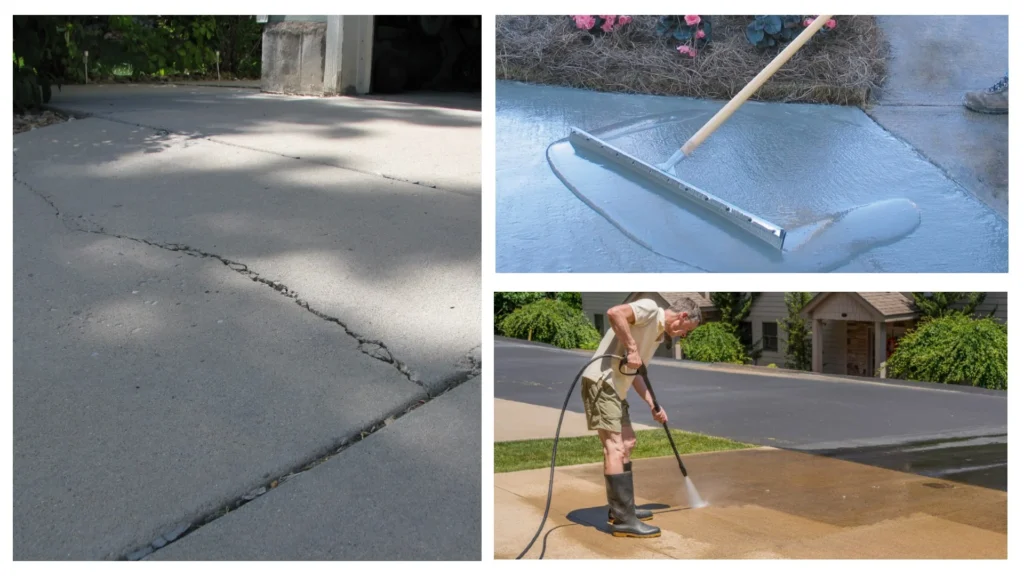
Cracked driveway? Flaking patio? Uneven concrete walkway? If you own property, chances are you will eventually face a critical decision: should you resurface your concrete, or is full replacement the smarter long-term choice?
This question is more than cosmetic. In Alberta’s harsh freeze–thaw climate, choosing the wrong solution can lead to premature failure, repeated repairs, and thousands of dollars in unnecessary costs. This guide breaks down concrete resurfacing vs replacement in clear, practical terms—so you can make a confident, informed decision backed by real-world experience.
At Edmonton Concrete Services, we’ve inspected and repaired hundreds of slabs across residential and commercial properties. What we’ve learned is simple: not all damaged concrete should be treated the same. Let’s start with the fundamentals.
This guide focuses on concrete resurfacing vs replacement to help property owners make the right long-term decision.
Understanding the Basics of Concrete Repair
What Is Concrete Resurfacing?
Concrete resurfacing is a surface-level repair method designed to restore the appearance and usability of existing concrete without removing the slab. A thin overlay—typically polymer-modified cement—is applied over the prepared surface to create a smooth, uniform finish.
Resurfacing is commonly used when the underlying concrete is still structurally sound but has cosmetic or minor surface damage. These issues often include:
- Hairline cracks that can be addressed through concrete crack repair before overlay application
- Surface scaling or flaking
- Discoloration or staining
- Minor pitting from de-icing salts
The resurfacing process generally involves:
- Thorough cleaning and pressure washing
- Crack filling and surface repairs
- Application of bonding agents
- Installation of a concrete overlay
- Optional sealing for added durability
When installed correctly, resurfaced concrete can last 5–10 years in Edmonton conditions, depending on usage, maintenance, and exposure to moisture and freeze–thaw cycles.
What Is Concrete Replacement?
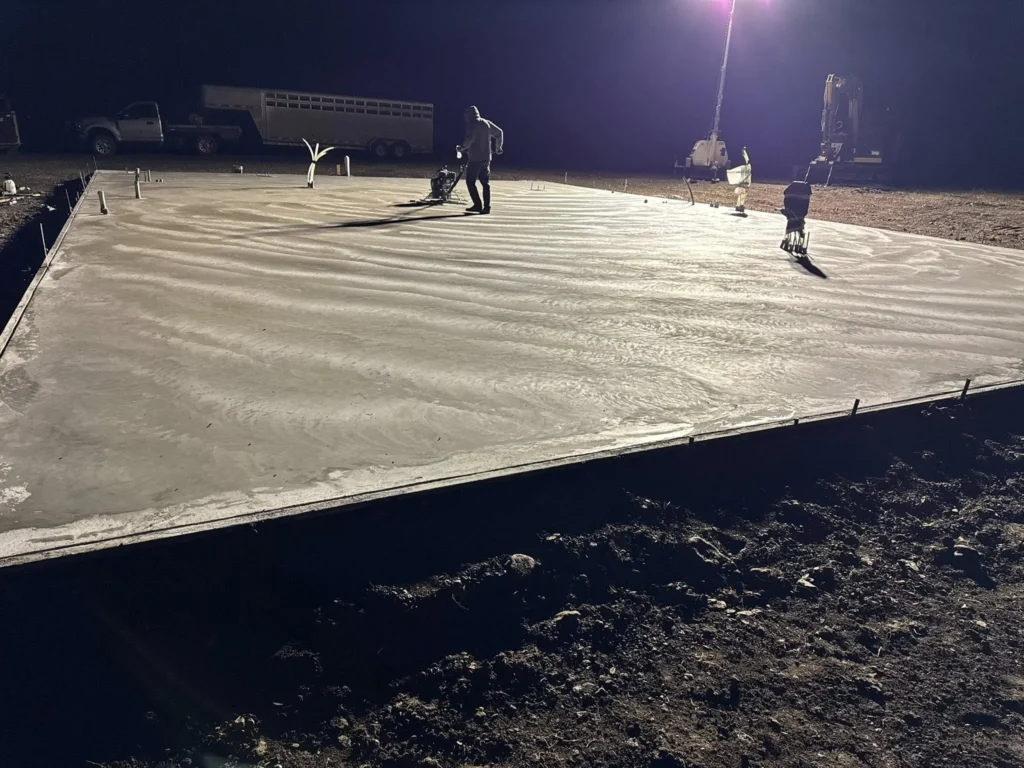
Concrete replacement is a complete rebuild. The existing slab is removed, hauled away, and replaced with newly poured concrete on a properly prepared base. This process addresses both surface damage and underlying structural problems.
Replacement typically includes:
- Demolition and disposal of old concrete
- Inspection and correction of the sub-base
- Proper compaction and drainage grading
- Reinforcement with rebar or wire mesh
- New concrete pour and professional finishing
While replacement requires a higher upfront investment, it offers a significantly longer lifespan—often 25 to 40 years when installed to Canadian standards.
Key Differences Between Concrete Resurfacing and Replacement
Understanding concrete resurfacing vs replacement is critical before investing in any concrete repair work.
Structural Integrity vs Surface Damage
The most important distinction between resurfacing and replacement lies beneath the surface. Resurfacing does not correct structural issues. If the concrete slab is moving, sinking, or cracking due to base failure, no overlay—no matter how well installed—will stop the problem.
Common structural red flags include:
- Wide or growing cracks
- Uneven or sunken sections
- Concrete lifting due to frost heave
- Water pooling near or under slabs
In contrast, full replacement allows contractors to address root causes such as poor compaction, inadequate drainage, or soil movement—issues especially common in Edmonton’s clay-heavy soils.
Lifespan and Durability in Edmonton’s Climate
According to the Canadian Portland Cement Association, freeze–thaw damage is one of the leading causes of concrete failure in cold climates. Water enters small cracks, freezes, expands, and gradually breaks down the slab.
TThis is why resurfacing performs best only when:
- The base concrete is stable
- Cracks are non-structural
- Proper concrete sealing in Edmonton is applied to protect against moisture infiltration and freeze-thaw damage
Replacement, while more invasive, provides a clean slate—allowing the slab to be engineered specifically for Edmonton’s weather conditions, including proper air entrainment and drainage slopes.
Cost Comparison: Concrete Resurfacing vs Replacement in Edmonton
Concrete Resurfacing Costs in Edmonton
Concrete resurfacing is often chosen for its lower upfront cost. In the Edmonton area, homeowners can expect average resurfacing costs to range between:
- $6 – $12 per sq. ft. for basic resurfacing
- $12 – $20+ per sq. ft. for decorative or stamped finishes
Final pricing depends on several factors, including slab condition, surface area, accessibility, and finish type. While resurfacing is budget-friendly, it should only be used when conditions are right.
Concrete Replacement Costs in Edmonton
Concrete replacement involves demolition, disposal, base preparation, and new installation—making it more expensive upfront. Typical replacement costs in Edmonton range from:
- $12 – $18 per sq. ft. for standard residential flatwork
- $18 – $30+ per sq. ft. for reinforced or commercial-grade concrete
Although replacement costs more initially, it often proves more economical over 20–30 years, especially for driveways and high-load areas.
Cost vs Value Over Time
One of the biggest mistakes we see is resurfacing concrete that should have been replaced. When resurfacing fails due to underlying structural issues, homeowners end up paying twice.
When weighing concrete resurfacing vs replacement, homeowners should consider not just upfront cost, but long-term durability and maintenance risk.
Rule of thumb from experienced contractors:
“If the slab is failing structurally, replacement is not more expensive—it’s just more honest.”
Pros and Cons of Concrete Resurfacing
Advantages of Concrete Resurfacing
- Lower upfront cost
- Faster project completion
- Minimal demolition and waste
- Improved appearance and curb appeal
Limitations of Concrete Resurfacing
- Does not fix base or soil problems
- Shorter lifespan than replacement
- Higher risk in freeze–thaw environments
- Not suitable for heavily damaged slabs
Summary So Far: Making the Right Early Decision
At this point, the takeaway is clear: concrete resurfacing and replacement serve very different purposes. Resurfacing is a cosmetic and light-repair solution, while replacement is a long-term structural investment.
In the next section, we’ll explore when resurfacing truly makes sense, when replacement is unavoidable, and how Edmonton’s climate plays a decisive role in choosing the right option.
Not sure which category your concrete falls into? A professional site inspection can prevent costly mistakes and extend the life of your investment.
When Concrete Resurfacing Is the Right Choice
Ideal Conditions for Concrete Resurfacing
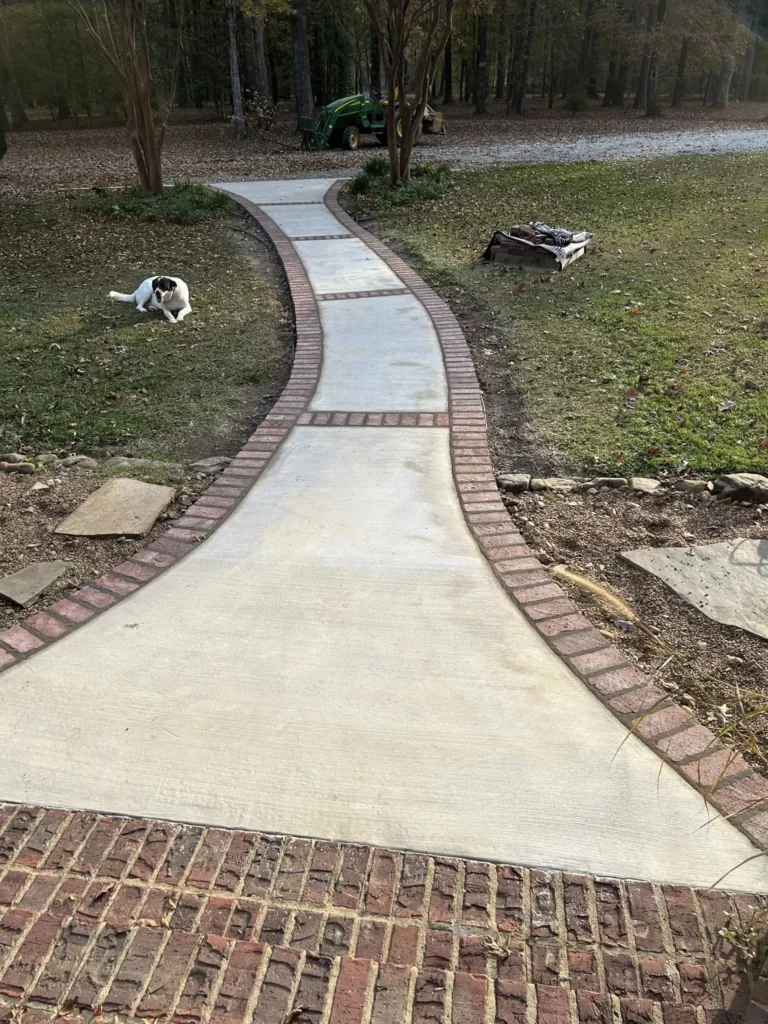
Concrete resurfacing works best when the slab is structurally sound but visually worn. In our experience, the best candidates for resurfacing share several common traits:
- Hairline or shallow cracks that are not widening
- No vertical displacement or slab movement
- Minimal surface scaling caused by age or de-icing salts
- A stable, well-compacted sub-base
When these conditions are met, resurfacing can restore appearance and usability without the cost and disruption of full demolition.
Common Edmonton Use Cases for Resurfacing
In residential settings, resurfacing is frequently chosen for:
- Patios with cosmetic wear
- Garage floors with light cracking
- Walkways and steps with surface damage only
- Interior slabs needing a clean, updated finish
These areas typically experience lower structural stress than driveways, making resurfacing a practical option when inspected and approved by a professional.
When Concrete Replacement Is the Better Option
Warning Signs That Replacement Is Necessary
Some concrete problems go beyond what resurfacing can safely solve. Replacement should be strongly considered when you notice:
- Cracks wider than 1/4 inch or spreading over time
- Uneven slabs creating trip hazards
- Concrete lifting or sinking after winter
- Persistent water pooling or drainage issues
- Exposed or rusting reinforcement steel
These symptoms usually indicate base failure or soil movement—issues that overlays cannot correct.
Typical Replacement Projects in Edmonton
Full replacement is most common for:
- Driveways exposed to vehicle loads
- Sidewalks affected by frost heave
- Commercial slabs requiring structural integrity
- Older concrete poured without modern standards
While replacement requires more planning and investment, it offers the highest level of safety, durability, and long-term value.
How Edmonton’s Climate Affects Your Decision
Freeze–Thaw Cycles and Concrete Performance
According to the American Concrete Institute (ACI), repeated freeze–thaw cycles are a leading factor in concrete durability loss in cold climates.
Alberta’s climate is particularly unforgiving to concrete. As moisture enters cracks, freezes, and expands, the slab gradually weakens over time—making freeze–thaw damage one of the primary causes of premature concrete failure in cold regions.
This makes proper assessment critical. Resurfacing concrete that already allows water infiltration often leads to peeling or delamination within just a few seasons.
Soil Movement and Drainage Considerations
Local soil conditions—particularly clay-based soils—can expand and contract with moisture changes. Replacement allows contractors to correct grading, improve drainage, and rebuild the base to reduce future movement.
This is one reason replacement often outperforms resurfacing for driveways and exterior flatwork in northern climates.
In harsh freeze–thaw environments, concrete resurfacing vs replacement is ultimately a performance decision, not just a cosmetic one.
Concrete Resurfacing vs Replacement: Side-by-Side Comparison
| Factor | Resurfacing | Replacement |
|---|---|---|
| Upfront Cost | Lower | Higher |
| Lifespan | 5–10 years | 25–40 years |
| Structural Repair | No | Yes |
| Disruption | Minimal | Moderate to High |
| Cold Climate Reliability | Moderate | Excellent |
How Professionals Determine the Right Solution
What a Proper Site Inspection Includes
A qualified concrete contractor doesn’t guess—they inspect. A thorough assessment typically includes:
- Crack pattern and width analysis
- Checking for vertical displacement
- Evaluating drainage and water flow
- Assessing base stability and compaction
This process ensures the recommendation is based on facts, not assumptions.
Why DIY Judgments Often Fail
Surface appearance can be misleading. Many slabs look repairable but hide base failures beneath. This is why professional evaluation saves money in the long run—by preventing repeat failures.
Frequently Asked Questions
Can cracked concrete be resurfaced?
Yes, but only if the cracks are non-structural. Structural cracks usually require replacement.
How long does resurfaced concrete last in Edmonton?
Typically 5–10 years, depending on exposure, maintenance, and installation quality.
Is resurfacing always cheaper than replacement?
Upfront, yes. Long-term, replacement often offers better value for heavily used areas.
Can driveways be resurfaced?
In some cases, but most driveways benefit more from replacement due to vehicle loads and frost movement.
When is replacement unavoidable?
When there is slab movement, severe cracking, drainage failure, or structural compromise.
In freeze–thaw climates, concrete resurfacing vs replacement should be evaluated based on slab condition and structural stability.
Final Verdict: Resurfacing or Replacement?
The final choice between concrete resurfacing vs replacement depends on whether the existing slab is structurally sound or already failing beneath the surface.
The right choice depends on one critical factor: the condition of the concrete beneath the surface. Resurfacing is an excellent cosmetic solution for sound slabs, while replacement is the safest long-term investment for structurally compromised concrete.
Choosing correctly the first time protects your property, your budget, and your peace of mind.
Get a Professional Concrete Assessment
If you’re unsure whether resurfacing or replacement is right for your driveway, patio, or flatwork, the best next step is a professional evaluation. An experienced local contractor can identify hidden issues and recommend the most cost-effective solution for your specific site.
Schedule an on-site inspection today and get expert guidance tailored to Edmonton’s climate and soil conditions.
