
Water and concrete don’t mix well—especially in Edmonton. Between heavy spring snowmelt, sudden summer downpours, and relentless freeze–thaw cycles, poor drainage is one of the fastest ways for concrete surfaces to fail. Homeowners often notice the symptoms first: puddles on the driveway, icy walkways in winter, cracks forming earlier than expected, or water creeping toward the foundation.
The good news? Most drainage problems can be prevented—or corrected—when concrete is properly designed, graded, and installed for local conditions. In this guide, we’ll walk through the real causes of concrete drainage issues in Edmonton, how they affect homes and commercial properties, and the proven concrete drainage solutions that actually hold up in Alberta’s climate.
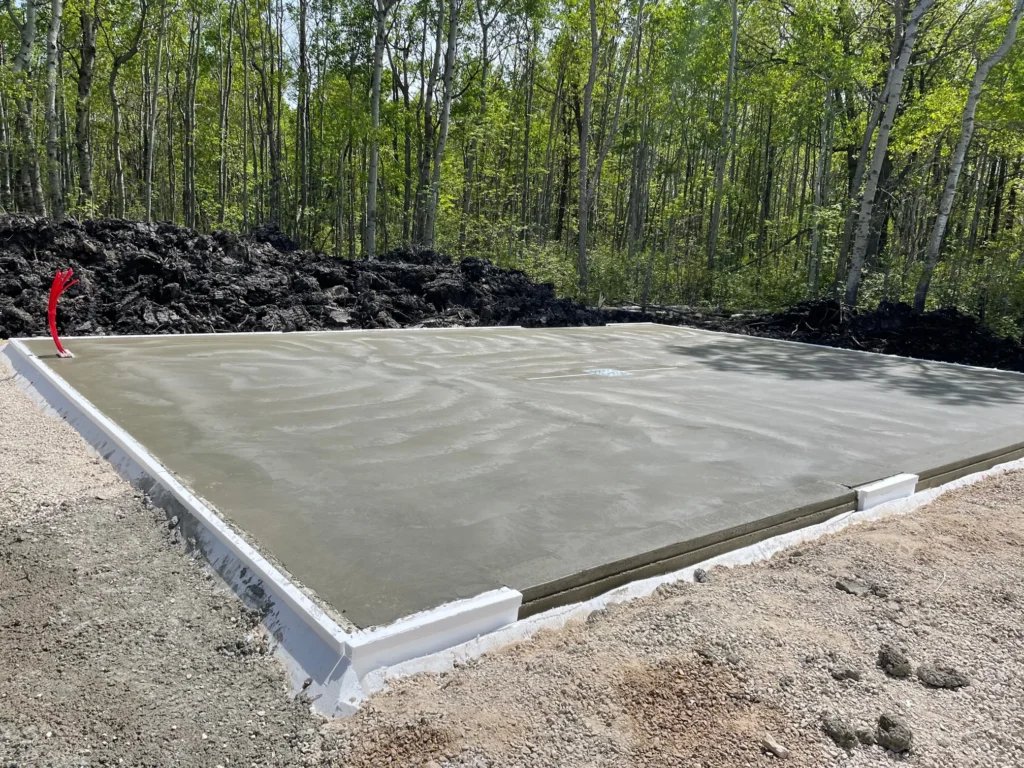
Why Concrete Drainage Is a Major Issue in Edmonton
Edmonton presents a perfect storm for drainage-related concrete problems. Unlike warmer or drier regions, concrete here must handle extreme temperature swings, long winters, and soil conditions that naturally resist water movement.
Freeze–Thaw Cycles Put Constant Stress on Concrete
When water sits on or beneath concrete, it doesn’t just evaporate—it freezes. As water freezes, it expands by roughly 9%. That expansion creates pressure inside the concrete and the base material below it. Over time, this leads to:
- Surface scaling and spalling
- Hairline cracks that grow each season
- Concrete slabs lifting or settling unevenly
According to the Cement Association of Canada, freeze–thaw damage is one of the leading causes of premature concrete failure in cold climates when drainage and air entrainment are inadequate.
Snowmelt and Spring Runoff Create Hidden Water Loads
In Edmonton, drainage issues aren’t limited to rainfall. Snow accumulation over winter can store large volumes of water. When temperatures rise quickly in spring, that meltwater needs a clear, intentional path away from structures. If concrete is flat or sloped incorrectly, water can pool against:
- Garage slabs and aprons
- Foundation walls
- Basement stairwells
Without proper concrete drainage, that meltwater often refreezes at night, worsening surface damage and increasing slip hazards.
Clay-Heavy Soils Complicate Natural Drainage
Much of the Edmonton area sits on clay-based soils. Clay drains slowly, holds moisture, and expands when wet. This makes surface drainage even more important, because once water gets trapped under concrete, it can remain there for long periods—magnifying freeze–thaw damage and settlement issues.
Edmonton’s extreme temperature swings, freeze–thaw cycles, and clay-heavy soils create unique challenges that require climate-specific concrete design. A deeper breakdown of how Edmonton weather affects concrete performance over time helps explain why drainage, air entrainment, and proper curing are non-negotiable in this region.
What Happens When Concrete Drainage Is Done Wrong
Drainage problems rarely show up as a single dramatic failure. Instead, they develop quietly, season after season, until repair costs climb far higher than the original installation.
Standing Water and Surface Pooling
One of the most common signs of poor concrete drainage is visible pooling after rain or snowmelt. While it may seem harmless at first, standing water:
- Accelerates surface wear and discoloration
- Creates slippery conditions and liability risks
- Finds its way into control joints and micro-cracks
Over time, pooled water weakens the surface paste and exposes aggregate, reducing both appearance and durability.
Freeze–Thaw Damage and Early Cracking
When pooled water freezes, it forces cracks to widen. Each freeze–thaw cycle compounds the damage. In Edmonton, where dozens of freeze–thaw cycles can occur annually, poorly drained concrete may fail years earlier than expected.
This is why many homeowners are surprised to see cracking in concrete that’s less than a decade old—drainage, not age, is often the root cause.
Foundation and Structural Risks
Improperly sloped concrete doesn’t just affect the slab itself—it can redirect water toward the building. Driveways, patios, and walkways that slope toward the house increase the risk of:
- Basement moisture and leaks
- Efflorescence on foundation walls
- Long-term structural deterioration
In many cases, correcting drainage early with proper concrete grading costs a fraction of what foundation repairs do later.
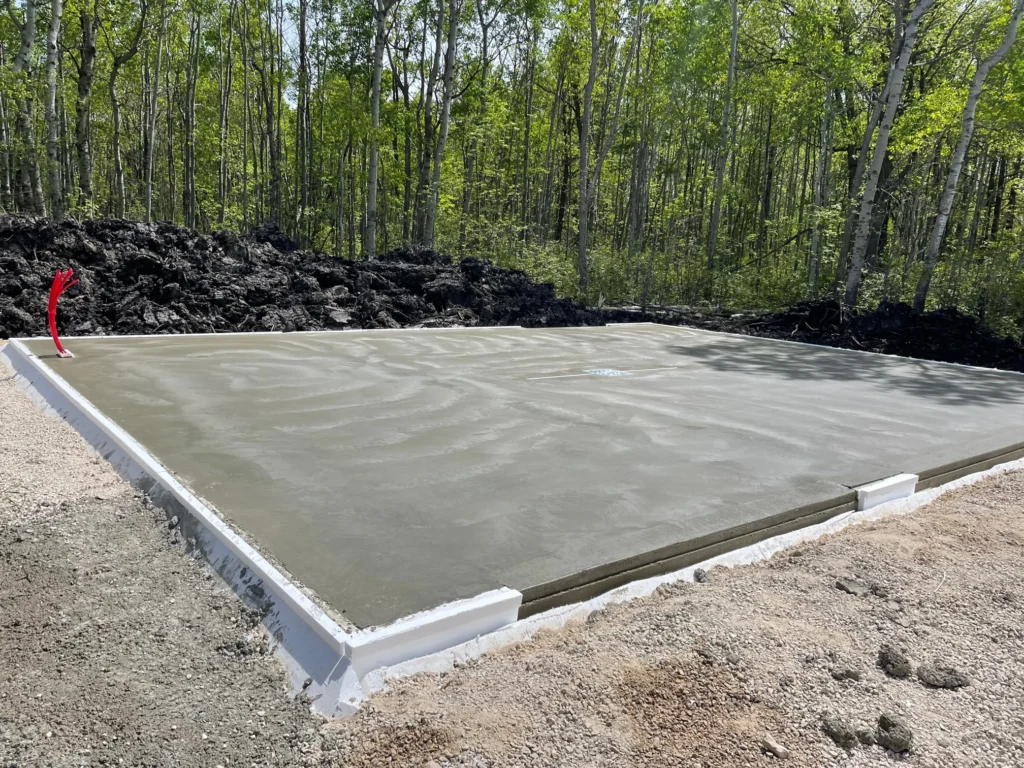
Key Principles of Proper Concrete Drainage Design
Effective concrete drainage isn’t accidental—it’s engineered. Professional contractors plan drainage from the ground up, not as an afterthought.
Correct Slope and Grade Requirements
For most exterior concrete surfaces, industry best practice calls for a slope of approximately 1–2% away from structures. That equals about:
- ⅛–¼ inch of fall per foot of concrete
This slope is subtle enough to walk or drive on comfortably, yet steep enough to move water efficiently. In Edmonton, maintaining consistent slope is especially important because even shallow depressions can trap water that freezes overnight.
Intentional Water Flow Direction
Good drainage design answers one critical question: Where does the water go?
Concrete should guide water toward safe discharge areas such as:
- Street drainage systems
- Swales or landscaped drainage paths
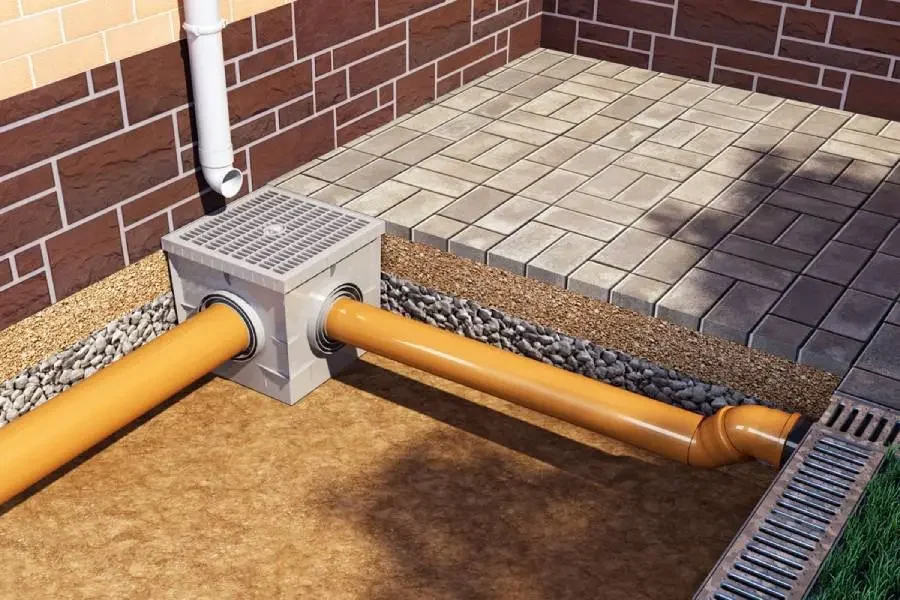
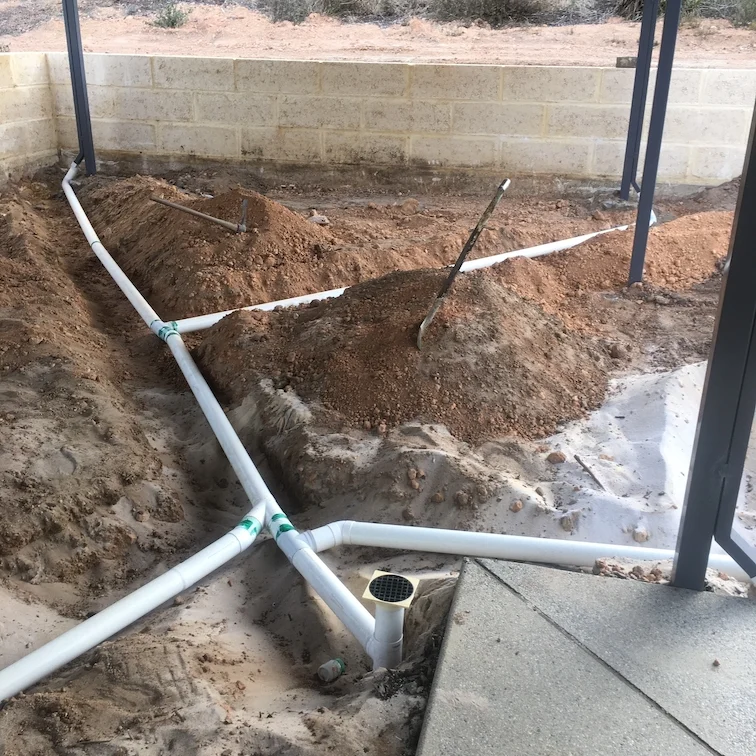
- Dedicated catch basins or channel drains
Random slopes or “eyeballed” grading often lead to water moving in unintended directions—usually toward the building.
Integration with Existing Drainage Systems
Concrete drainage works best when coordinated with the rest of the property’s water management systems. This includes:
- Downspout locations and extensions
- Weeping tile and foundation drainage
- Lot grading and landscaping contours
When these systems work together, water is moved away efficiently, reducing stress on both concrete and foundations.
Types of Concrete Drainage Solutions for Edmonton Properties
Different properties and layouts call for different drainage strategies. In Edmonton, the most effective solutions are those that combine durability with climate-aware design.
Sloped Concrete Flatwork
Properly sloped flatwork is the foundation of most drainage solutions. This includes:
- Concrete driveways
- Sidewalks and walkways
- Garage aprons
- Patios and backyard slabs
When installed correctly, sloped flatwork sheds water naturally without the need for additional drainage hardware. This is often the most cost-effective and low-maintenance option for residential properties.
Concrete Channel Drains
In areas where slope alone isn’t enough—such as driveways that slope toward a garage—concrete channel drains provide a reliable solution. These linear drains:
- Capture surface water quickly
- Prevent water from reaching buildings
- Perform well during rapid snowmelt events
Channel drains are commonly used at garage entrances, between buildings, or in commercial loading zones where large volumes of water must be controlled.
Concrete Swales and Defined Drainage Paths
Concrete swales are shallow, shaped channels that guide water across a surface without standing pools. They’re often used to:
- Direct runoff between structures
- Protect landscaped areas
- Blend drainage into clean, functional designs
When designed properly, swales are both practical and visually unobtrusive.
Summary so far: Edmonton’s climate makes concrete drainage a critical design consideration—not a cosmetic one. From proper slope and grading to integrated drainage systems, the right approach prevents pooling, cracking, and costly long-term damage.
In the next section, we’ll break down drainage solutions by property type, explain how Edmonton’s climate affects material choices, and help you decide when repair is enough—or when full replacement is the smarter move.
Drainage Solutions by Property Type
Concrete drainage is not one-size-fits-all. The right solution depends on how the property is used, where water naturally flows, and how much exposure the concrete has to traffic and seasonal stress.
Residential Homes in Edmonton
For homeowners, drainage issues most commonly appear around driveways, sidewalks, patios, and garage aprons. These areas experience frequent freeze–thaw cycles and are often affected by snow storage during winter.
- Driveways: Proper slope away from the garage, often paired with a channel drain when negative grading can’t be avoided.
- Walkways: Subtle cross-slope to prevent ice buildup while maintaining safe footing.
- Patios: Drainage designed to move water away from the house and prevent pooling near doors or basement windows.
In residential settings, the goal is to balance effective drainage with clean aesthetics and long-term durability.
Commercial and Industrial Properties
Commercial concrete drainage must handle higher water volumes, heavier loads, and stricter safety expectations. Poor drainage in these environments can lead to liability concerns and operational disruptions.
- Parking lots and access lanes designed with intentional fall lines
- Channel drains at loading docks and bay doors
- Defined runoff paths to prevent water from crossing pedestrian routes
Because commercial slabs are larger, small grading errors can result in significant pooling. Precision grading and professional layout are essential.
Multi-Family and Rental Properties
For townhomes, condos, and rental properties, drainage solutions must prioritize longevity and low maintenance. Ice buildup and standing water increase slip hazards and maintenance costs.
Well-designed concrete drainage reduces tenant complaints, improves safety, and protects the owner’s long-term investment.
Edmonton Climate Considerations in Concrete Drainage
Drainage systems that work in milder climates often fail in Edmonton. Local conditions demand extra attention to detail.
Frequent Freeze–Thaw Cycles
Edmonton experiences dozens of freeze–thaw cycles each year. Concrete that holds water—even briefly—will deteriorate faster than properly drained surfaces. This makes slope accuracy, joint placement, and sub-base drainage critical.
Snow Storage and Melt Planning
Snow piles don’t just disappear. When they melt, the resulting water must have a clear exit path. Concrete should be designed to:
- Handle sudden high volumes of meltwater
- Avoid directing runoff toward foundations
- Prevent refreezing in shaded areas
Seasonal Expansion and Movement
Drainage works hand-in-hand with control joints and expansion joints. Proper joint placement allows concrete to move without cracking while drainage ensures water doesn’t exploit those joints.
Timing matters just as much as materials. Understanding the best seasons for pouring concrete in Edmonton—and how temperature, moisture, and overnight freezing affect curing—can be the difference between long-lasting concrete and premature cracking.
Signs Your Property Needs Concrete Drainage Improvements
Many drainage problems can be identified early—if you know what to look for.
- Water pooling on concrete more than 24 hours after rain
- Ice buildup in the same spots every winter
- Concrete sloping toward the house or garage
- Cracks forming along low points or joints
- Efflorescence or dampness on foundation walls
Addressing these warning signs early can prevent costly repairs later.
Repair vs. Replacement: What’s the Right Move?
Not every drainage issue requires tearing out and replacing concrete. The right solution depends on the severity of the problem.
When Drainage Can Be Corrected
Minor drainage issues may be addressed through:
- Surface grinding to restore slope
- Installing channel drains in strategic locations
- Improving drainage around the slab perimeter
These solutions are most effective when the concrete itself is structurally sound.
When Full Replacement Is Necessary
Replacement is often the better long-term option when:
- The slab has a negative slope toward the structure
- Sub-base failure is causing settlement or heaving
- Cracking is widespread and structural
Although replacement has a higher upfront cost, it allows proper drainage design from the ground up.
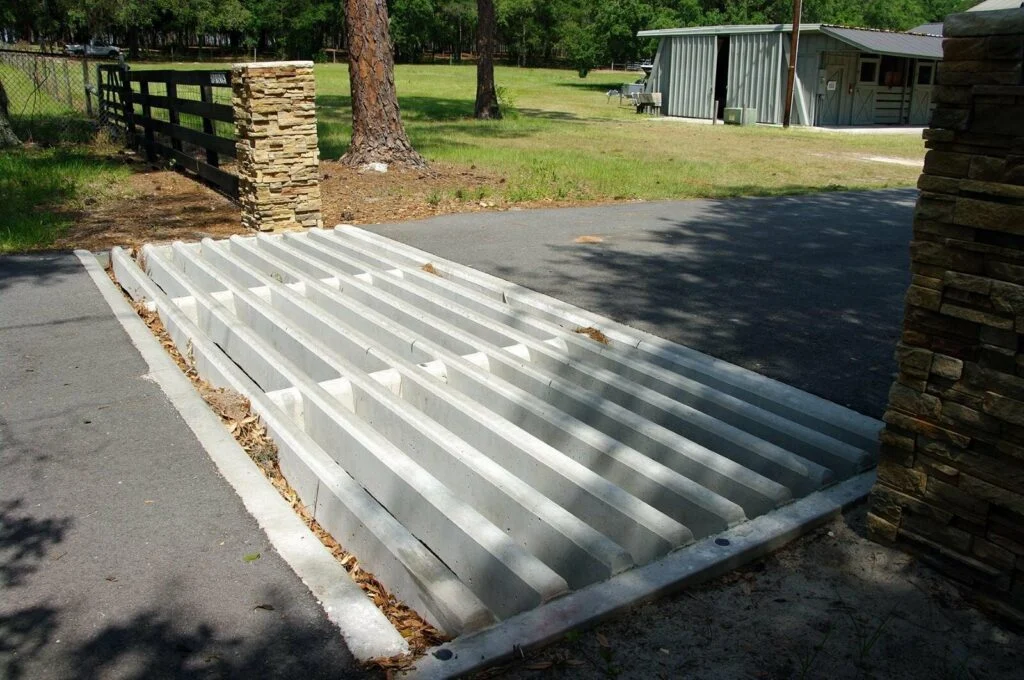
Why Professional Concrete Drainage Design Matters
Effective drainage begins long before concrete is poured. Professional contractors account for soil conditions, load requirements, and long-term water movement.
Sub-Base Preparation and Compaction
A well-compacted granular base promotes drainage beneath the slab and reduces movement. Poor base preparation is one of the most common causes of drainage-related failures.
Precision Grading and Modern Equipment
Professional crews use laser levels and proven forming techniques to achieve consistent slope across large areas—something that’s difficult to achieve without experience and the right tools.
Local Experience Matters
Contractors familiar with Edmonton conditions understand how soil, climate, and seasonal changes affect concrete performance. That local knowledge translates into better drainage outcomes and longer-lasting surfaces.
Why Choose Edmonton Concrete Services
Edmonton Concrete Services specializes in concrete flatwork designed for Alberta’s demanding climate. Our team focuses on drainage-first design to protect your investment from day one.
- Local Edmonton expertise
- Residential and commercial concrete solutions
- Driveways, patios, walkways, and YEG cribbing
- Modern equipment and proven installation methods
We don’t just pour concrete—we design surfaces that manage water effectively and perform for years to come.
Cost of Concrete Drainage Solutions in Edmonton
What Affects Pricing
- Size and layout of the concrete area
- Drainage method used (slope-only vs drains)
- Sub-base conditions and excavation requirements
Cost vs. Long-Term Value
Investing in proper drainage upfront often saves thousands of dollars by preventing premature repairs, foundation issues, and safety hazards.
Frequently Asked Questions About Concrete Drainage
How much slope does concrete need for proper drainage?
Most exterior concrete requires a slope of 1–2% away from structures to effectively shed water.
Can drainage be added to existing concrete?
In some cases, yes. Channel drains or surface grinding can correct minor issues, but severe slope problems often require replacement.
Is concrete drainage better than French drains?
They serve different purposes. Concrete drainage manages surface water, while French drains handle subsurface water. Many properties benefit from using both together.
How long do concrete drainage systems last?
When properly designed and installed, concrete drainage solutions can last decades with minimal maintenance.
Get a Professional Concrete Drainage Assessment in Edmonton
If you’re dealing with pooling water, ice buildup, or concrete that’s failing too soon, it’s time to address drainage properly. A professional assessment can identify the root cause and recommend the most cost-effective solution.
Contact Edmonton Concrete Services today to request a quote or schedule a site visit. We’ll help you protect your property with concrete drainage solutions built for Edmonton’s climate.
Key takeaway: In Edmonton, concrete drainage isn’t optional—it’s essential. Proper design, slope, and installation protect your concrete, your foundation, and your long-term investment.
