
Concrete cracks are one of the most common concerns we hear from homeowners and property managers across Edmonton, Alberta. Whether it’s a hairline crack in a driveway, a widening fracture in a garage slab,
or visible cracking in a foundation wall, the big question is always the same: Should this concrete be repaired, or does it need to be replaced?
In a climate like Edmonton’s—where extreme temperature swings, freeze-thaw cycles, and soil movement are part of daily life—cracks are often unavoidable. However, not all cracks are created equal. Some are purely cosmetic and easy to repair, while others signal deeper structural issues that demand full replacement. Choosing the wrong approach can lead to repeated repairs, water damage, or even safety hazards.
This guide is designed to help you clearly understand concrete crack repair in Edmonton, how to identify different types of cracks, and how professionals determine whether repair or replacement is the smarter long-term solution.
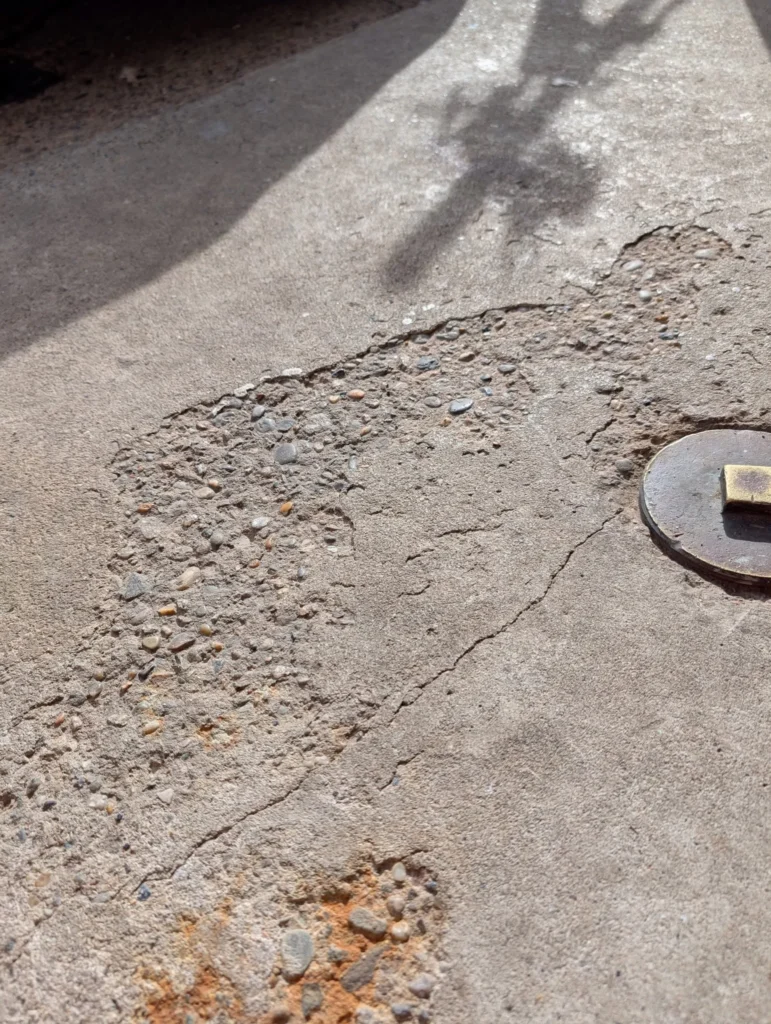
Why Concrete Cracks Form in Edmonton’s Climate
Understanding why concrete cracks in the first place is essential before deciding how to fix it. Edmonton’s environmental conditions are among the harshest in Canada for concrete, and even well-installed slabs can experience cracking over time.
Freeze-Thaw Cycles in Alberta
Edmonton experiences dozens of freeze-thaw cycles every year. Water seeps into tiny pores and micro-cracks in concrete, freezes, expands, and then thaws repeatedly. This constant expansion places stress on the concrete, gradually widening small cracks into visible fractures.
According to industry studies, freeze-thaw damage is one of the leading causes of concrete deterioration in northern climates. This is why cracks that seem harmless in summer often worsen dramatically after winter.
Soil Movement and Clay-Heavy Ground
Much of the Edmonton area sits on clay-rich soil, which expands when wet and shrinks when dry. This movement causes slabs to shift, settle, or heave—placing uneven pressure on concrete surfaces.
- Spring moisture leads to soil expansion
- Dry summers cause soil shrinkage
- Winter frost heave lifts slabs unevenly
Over time, this repeated movement often results in diagonal or widening cracks, particularly in driveways, sidewalks, and garage pads.
Poor Initial Installation
Cracks can also form when concrete is not installed correctly. Common installation-related causes include:
- Inadequate base preparation
- Incorrect concrete mix design
- Lack of reinforcement (rebar or wire mesh)
- Missing or poorly placed control joints
Even brand-new concrete can crack prematurely if these fundamentals are overlooked.
Age, Load Stress, and Water Infiltration
As concrete ages, it naturally becomes more brittle. Heavy vehicle loads, snowplows, and constant foot traffic accelerate this process. Water infiltration through cracks further weakens the slab and increases the risk of surface spalling and internal deterioration.
Types of Concrete Cracks (And What They Mean)
Before deciding between repair and replacement, it’s critical to identify the type of crack. Each crack pattern tells a story about what’s happening beneath the surface.
Hairline Cracks
Hairline cracks are thin, surface-level cracks often caused by concrete shrinkage during curing. These are extremely common in Edmonton and are usually not structural.
In most cases, hairline cracks can be effectively sealed or patched to prevent moisture intrusion and extend the lifespan of the concrete.
Vertical Cracks
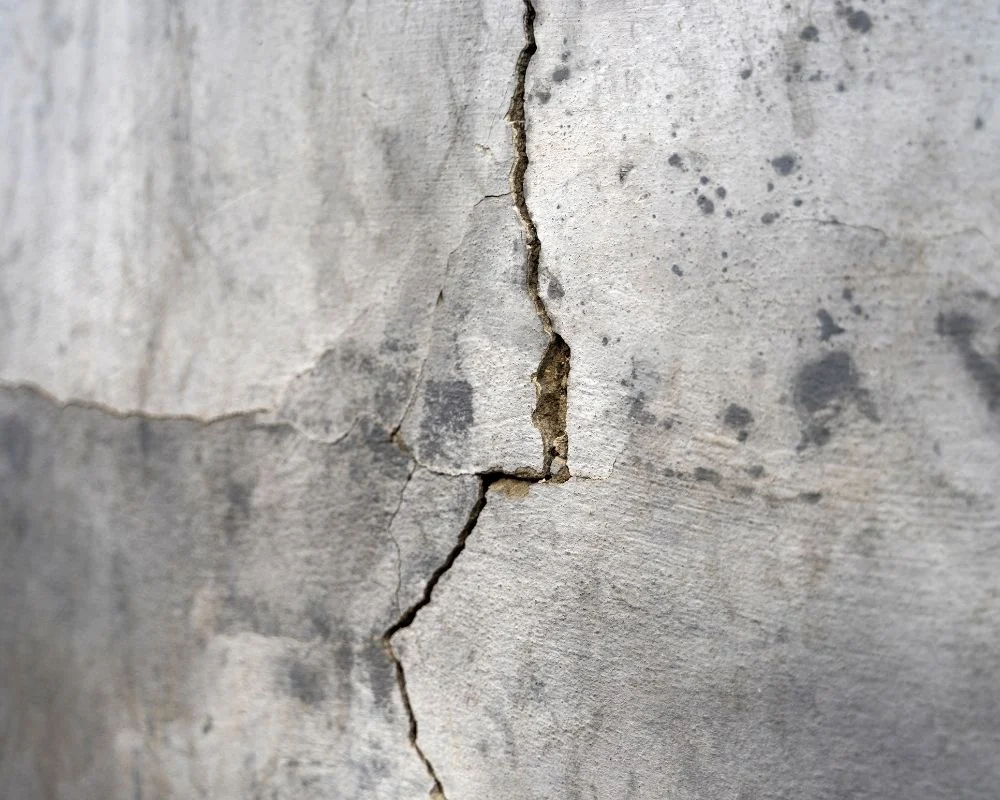
Vertical cracks are commonly found in foundation walls and slabs. When narrow and stable, they are often caused by minor settlement and can be repaired using epoxy or polyurethane injection.
However, vertical cracks that widen over time may indicate ongoing movement and should be professionally assessed.
Horizontal Cracks
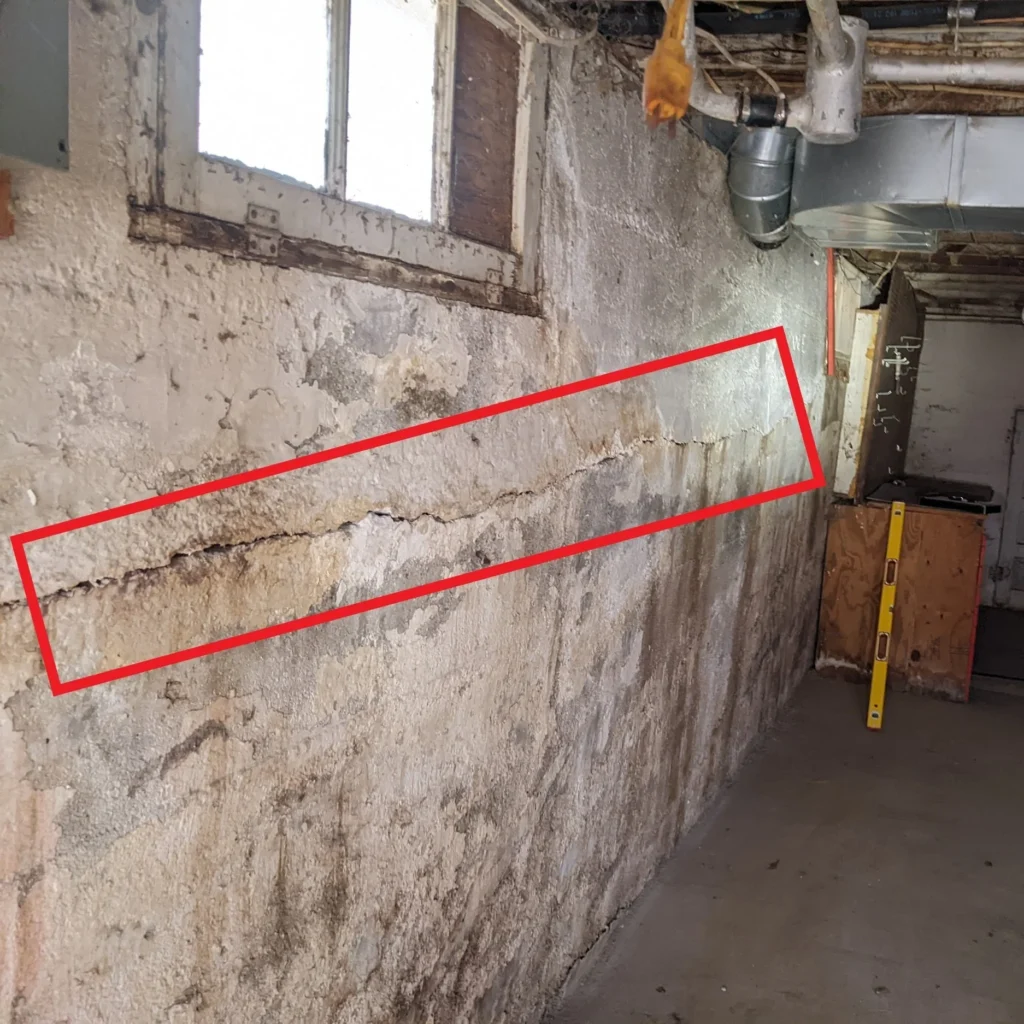
Horizontal cracks are more serious and often signal structural pressure from soil or frost. These cracks typically appear in foundation walls and are considered red flags.
In many cases, horizontal cracking points toward the need for structural reinforcement or full concrete replacement rather than surface-level repair.
Diagonal and Stair-Step Cracks
Diagonal or stair-step cracks often occur in foundations and retaining walls due to uneven settlement. These cracks can allow water intrusion and may worsen quickly if left untreated.
Wide or Expanding Cracks
Cracks wider than 1/4 inch or those that continue to grow are typically considered active cracks. Active cracks usually indicate ongoing structural or soil issues and may exceed the limits of simple repair solutions.
When Concrete Crack Repair Is the Right Solution
Not every crack requires tearing out and replacing the entire slab. In fact, many concrete issues in Edmonton can be resolved effectively with professional crack repair—saving time, money, and disruption.
Crack Width Under 1/4 Inch
As a general rule, cracks under 1/4 inch wide that are not actively expanding are excellent candidates for repair. These cracks can be sealed to block water intrusion and prevent further deterioration.
Structurally Sound Concrete
If the concrete slab is level, stable, and free from significant heaving or sinking, repair is often the most practical option. Repair preserves the existing structure while addressing the visible damage.
Isolated Damage Areas
When cracking is limited to specific areas—such as a few sections of a driveway or a localized garage crack—targeted repair is usually far more cost-effective than full replacement.
Preventative Maintenance Strategy
Professional crack repair is also a preventative measure. Sealing cracks early helps:
- Prevent water penetration
- Reduce freeze-thaw damage
- Extend the lifespan of concrete by years
Common Concrete Crack Repair Methods
Depending on the crack type and location, professionals may use:
- Epoxy crack injection for structural bonding
- Polyurethane sealants for flexible waterproofing
- Routing and sealing for surface cracks
- Patching and resurfacing for cosmetic restoration
When properly applied, these repair methods can restore both the appearance and performance of concrete surfaces in Edmonton’s demanding climate. For more extensive surface damage that doesn’t require full replacement, many homeowners also consider concrete resurfacing vs replacement to restore the aesthetic appeal while maintaining structural integrity.
In the next section, we’ll explore when concrete replacement becomes the better option, including cost comparisons, residential and commercial applications, and expert guidance on making the right long-term decision.
When Concrete Replacement Is the Better Option
While concrete crack repair in Edmonton is often effective, there are situations where repair simply isn’t enough. In these cases, replacing the concrete entirely is the safest and most cost-effective long-term solution.
Structural Failure or Heaving
If a slab has lifted, sunk, or become uneven due to frost heave or soil movement, crack repair alone will not fix the underlying problem. These conditions often create trip hazards and drainage issues that worsen over time.
Before considering full replacement, property owners should explore concrete lifting and leveling as a cost-effective alternative that can restore slab elevation and stability without the expense of demolition and repaving.
Concrete replacement allows contractors to correct the base, improve drainage, and pour a new slab designed to withstand Edmonton’s climate.
Extensive or Pattern Cracking
Widespread cracking—often referred to as map cracking or alligator cracking—indicates systemic failure within the concrete. This is commonly caused by:
- Improper mix design
- Poor curing practices
- Sub-base failure
In these cases, repairing individual cracks is usually temporary and replacement delivers far better long-term value.
Frost Damage and Surface Spalling
When the surface of concrete begins flaking, scaling, or exposing aggregate, the integrity of the slab is compromised. This type of deterioration accelerates rapidly in freeze-thaw environments and often requires full replacement.
Repeated Failed Repairs
If the same cracks have been repaired multiple times and continue to reappear, replacement is often the smarter investment. Continuous patching can quickly exceed the cost of new concrete without solving the root issue.
Repair vs Replace – Cost Comparison in Edmonton
Cost is one of the biggest factors when deciding between repair and replacement. While prices vary depending on project size and conditions, understanding typical ranges helps homeowners plan effectively.
Average Concrete Crack Repair Costs
Concrete crack repair is generally more affordable when damage is limited and structural integrity remains intact.
- Minor surface crack repair: Low to moderate cost
- Epoxy or polyurethane injection: Moderate cost
- Localized patching or resurfacing: Moderate cost
Concrete Replacement Costs
Replacement involves demolition, removal, base preparation, and new concrete installation. While more expensive upfront, it often provides a longer lifespan.
Long-Term Value Comparison
| Factor | Repair | Replace |
|---|---|---|
| Upfront Cost | Lower | Higher |
| Lifespan | 5–10 years (typical) | 20–30+ years |
| Maintenance | Moderate | Low |
| Structural Improvement | Limited | Full |
Residential Concrete Crack Repair Applications
Homeowners across Edmonton encounter cracking in many common residential concrete surfaces. Each area requires a tailored approach.
Driveways
Driveways endure vehicle loads, snow removal, and constant freeze-thaw exposure. Small cracks are often repairable, while large sections with heaving or sinking typically require replacement.
Garage Slabs
Garage floors face heavy loads and chemical exposure from vehicles. Oil saturation combined with cracking may limit repair effectiveness, making replacement a better option in severe cases.
Sidewalks and Walkways
Cracked sidewalks create safety risks and may violate local bylaws. Minor cracking can be repaired, but uneven slabs often require replacement to eliminate trip hazards.
Basement Floors and Foundations
According to American Cement Association (ACI), foundation cracks are especially important to address promptly. Narrow, stable cracks can often be injected and sealed, while wide or horizontal cracks typically demand structural intervention.
Commercial and Industrial Concrete Crack Repair
Commercial properties face higher load demands and stricter safety standards. Decisions between repair and replacement must factor in liability, downtime, and long-term durability.
Parking Lots
Cracked parking lots affect drainage, vehicle safety, and curb appeal. Strategic repairs may extend service life, but widespread deterioration often justifies full replacement.
Warehouses and Shop Floors
Industrial floors must support forklifts, equipment, and storage loads. Structural cracking usually requires replacement to maintain operational safety.
Multi-Family and Condo Properties
Property managers often balance reserve fund planning with phased repairs. Professional assessments help determine whether targeted repair or staged replacement is the best financial strategy.
DIY Concrete Crack Repair vs Professional Services
When DIY Repairs May Work
Small, hairline cracks in non-structural areas can sometimes be sealed using consumer repair products. These solutions may provide short-term protection.
Risks of DIY Crack Repair
- Incorrect materials for Edmonton’s climate
- Failure to address underlying causes
- Short repair lifespan
Benefits of Hiring Concrete Professionals
Professional contractors bring experience, proper materials, and climate-specific knowledge. As many concrete experts note, “Correct diagnosis is more important than the repair method itself.”
How Our Team Determines Repair vs Replace
A professional assessment removes guesswork and ensures the right solution is chosen the first time.
On-Site Inspection
Contractors evaluate crack width, pattern, slab levelness, and surrounding conditions to determine structural health.
Drainage and Moisture Assessment
Improper drainage is a leading cause of recurring cracks. Addressing water flow is essential for long-term success.
Clear, Honest Recommendations
A repair-first approach is often recommended when appropriate, with replacement suggested only when it delivers better long-term value.
Preventing Future Concrete Cracks
Proper Drainage and Grading
Keeping water away from concrete surfaces reduces freeze-thaw stress.
Control Joints and Reinforcement
Well-placed joints and reinforcement help manage natural movement and minimize random cracking.
Seasonal Maintenance
Sealing concrete and addressing small cracks early can significantly extend concrete lifespan in Edmonton.
Frequently Asked Questions About Concrete Crack Repair in Edmonton
Are concrete cracks normal in Edmonton?
Yes. Freeze-thaw cycles and soil movement make cracking common, but not all cracks are serious.
How big is too big to repair?
Cracks wider than 1/4 inch or those that continue expanding usually require professional evaluation.
Can repaired cracks come back?
If underlying issues aren’t addressed, cracks can reappear. Proper diagnosis is critical.
How long does crack repair last?
Professional repairs often last many years when combined with proper drainage and maintenance.
Is crack repair enough when selling a home?
Minor repairs may be sufficient, but structural issues should be fully resolved before listing.
Final Thoughts: Repair or Replace?
Deciding between concrete crack repair and replacement in Edmonton depends on crack type, severity, and long-term goals. Repair is often effective for minor, stable cracks, while replacement delivers peace of mind for severe or recurring damage.
A professional assessment ensures you invest wisely, protect your property, and avoid unnecessary future costs.
Book a Concrete Crack Inspection Today
If you’re unsure whether your concrete needs repair or replacement, a professional inspection is the best first step. Our experienced team provides honest recommendations, quality workmanship, and solutions built for Edmonton’s demanding climate.
Contact us today to schedule an inspection and protect your concrete investment for years to come.
