
Plain grey concrete used to be the default choice for driveways, patios, and walkways—but today, property owners across Edmonton are looking for more. They want surfaces that are not only strong and long-lasting, but also visually striking and aligned with modern design trends. That’s where colored concrete options come in.
From warm earth tones to contemporary charcoal and custom blends, colored concrete allows homeowners and commercial property owners to elevate curb appeal without sacrificing durability. When installed correctly and designed for Alberta’s demanding freeze-thaw climate, colored concrete can outperform many traditional paving materials while delivering a premium aesthetic.
In this guide, we’ll break down everything you need to know about colored concrete—how it works, the main types available, and which options perform best in Edmonton conditions. Drawing on real-world experience from local concrete projects, this article is designed to help you make confident, informed decisions before investing in your next concrete surface.
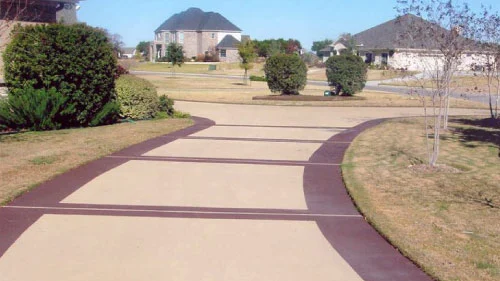
What Is Colored Concrete?
Colored concrete is concrete that has been enhanced with pigments, stains, or dyes to achieve a specific color or tone. Unlike surface coatings such as paint, most professional color systems are designed to integrate with the concrete itself, ensuring long-term performance and resistance to peeling or flaking.
According to the American Concrete Institute (ACI), integrally colored and properly sealed decorative concrete can maintain its appearance for decades when installed and maintained correctly. This makes colored concrete a practical solution for both residential and commercial applications.
How Concrete Color Is Achieved
Concrete color can be introduced at different stages of the installation process. The method used has a direct impact on appearance, consistency, cost, and long-term durability.
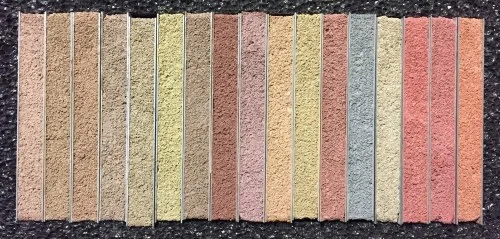
- Integral pigments: Color is mixed directly into the concrete batch, creating consistent color throughout the slab.
- Concrete stains: Applied after curing, stains chemically react or penetrate the surface to create natural, variegated tones.
- Concrete dyes: Ultra-fine pigments that penetrate the surface and produce vibrant, uniform color.
- Stamped color release: Used with textured concrete to add depth and contrast.
Each method has its own advantages, and the right choice depends on how the concrete will be used, exposed, and maintained.
Colored Concrete vs Plain Grey Concrete
While standard grey concrete is functional, it offers limited design flexibility. Colored concrete, on the other hand, enhances both aesthetics and perceived property value.
| Feature | Plain Concrete | Colored Concrete |
|---|---|---|
| Visual appeal | Minimal | High – customizable colors |
| Design flexibility | Low | Wide range of styles |
| Maintenance needs | Low | Low to moderate (sealing) |
| Property value impact | Neutral | Positive |
For many Edmonton homeowners, the modest additional investment in color delivers long-term aesthetic and resale benefits that far outweigh the initial cost difference.
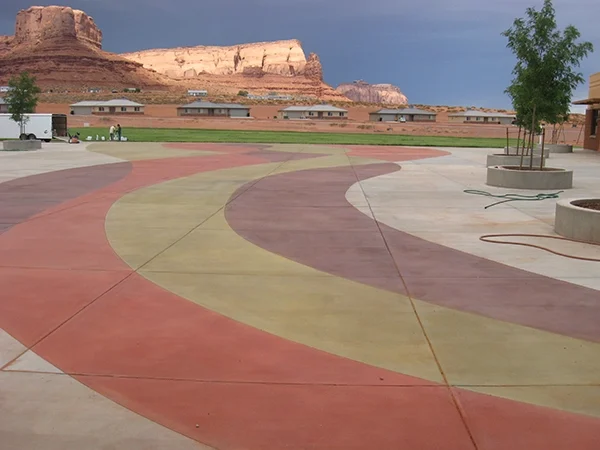
Main Types of Colored Concrete Options
Not all colored concrete is created equal. Understanding the primary options available will help you choose a solution that fits your design goals, budget, and local climate requirements.
Integral Color Concrete (Full-Depth Color)
Integral color concrete is one of the most durable and consistent coloring methods available. Pigments are blended directly into the concrete mix at the batching stage, ensuring uniform color throughout the entire slab.
Because the color runs through the full depth of the concrete, minor surface wear or small chips are far less noticeable compared to surface-applied treatments.
Best uses include:
- Driveways
- Sidewalks and walkways
- Garage slabs
- Commercial flatwork
In Edmonton’s freeze-thaw environment, integral color concrete performs exceptionally well when combined with air-entrained mixes and professional sealing. Many contractors prefer this option for exterior slabs exposed to de-icing salts and heavy traffic.
Concrete Stains (Acid-Based and Water-Based)
Concrete stains are applied after the slab has cured and work by penetrating the surface. Acid-based stains react chemically with the minerals in concrete, producing rich, natural tones with unique variation. Water-based stains offer more predictable color results and a wider color palette.
This variation is often considered a design feature rather than a flaw, making stains ideal for homeowners seeking a natural, stone-like appearance.
Common applications:
- Patios and outdoor living spaces
- Basement floors
- Interior commercial floors
However, stains rely heavily on proper surface preparation and sealing. In harsh winter climates, professional installation is essential to prevent uneven absorption and premature wear.
Concrete Dyes
Concrete dyes use ultra-fine pigments that penetrate deeply into the surface, delivering vibrant and consistent color. Unlike stains, dyes do not chemically react with the concrete, which allows for more control over the final appearance.
Dyes are especially popular for modern designs and interior applications where bold or uniform color is desired.
Key considerations:
- Excellent color clarity and brightness
- Best suited for interior or protected exterior areas
- Requires UV-resistant sealers for outdoor use
When properly sealed, dyed concrete can perform well, but it is generally less forgiving than integral color when exposed to constant UV and weather extremes.
Colored Stamped Concrete
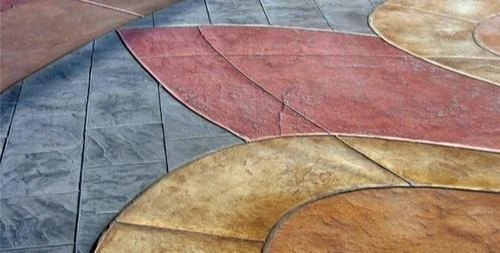
Colored stamped concrete combines texture and color to replicate materials such as natural stone, slate, brick, or tile. This system often uses a base integral color with a secondary color release applied during stamping to add contrast and depth.
This option is frequently chosen for high-visibility areas where appearance is a top priority.
Popular uses include:
- Decorative patios
- Front entryways
- Pool decks
- Commercial plazas
Because stamped concrete relies on surface detailing, professional sealing and periodic maintenance are critical—especially in Edmonton’s climate. When done correctly, stamped colored concrete can deliver a premium look with the structural strength of concrete.
For areas where traction and texture matter more than color uniformity, open-pit aggregate concrete provides a durable alternative that performs exceptionally well in Edmonton’s freeze-thaw conditions.
Up next: In the second half of this guide, we’ll explore the most popular colored concrete applications in Edmonton, how to choose the right color for Alberta’s climate, cost considerations, maintenance tips, FAQs, and expert advice on working with a trusted local concrete contractor.
Popular Colored Concrete Applications in Edmonton
One of the biggest advantages of colored concrete is its versatility. With the right mix design and finishing method, it can be used across residential, commercial, and light industrial projects throughout Edmonton. Choosing the right application ensures both visual impact and long-term performance.
Colored Concrete Driveways
Driveways are one of the most common applications for colored concrete in Edmonton. They experience constant vehicle traffic, temperature swings, snow buildup, and exposure to de-icing salts—making durability critical.
Integral color concrete is typically the best option for driveways because the color runs through the entire slab. If surface wear occurs over time, the appearance remains consistent rather than patchy.
- Darker tones help conceal tire marks and oil stains
- Lighter colors reduce heat absorption during summer
- Proper sealing improves salt and moisture resistance
For homeowners looking to balance curb appeal with practicality, colored concrete driveways offer a clean, upscale look without the maintenance demands of pavers or exposed stone.
Patios & Outdoor Living Spaces
Patios are where colored concrete truly shines from a design standpoint. Whether paired with stamped textures or smooth finishes, color can be used to complement landscaping, siding, and outdoor furniture.
Earth tones, warm greys, and subtle charcoal shades are especially popular in Edmonton backyards, as they blend naturally with wood decks, stone features, and greenery.
For safety and comfort, experienced contractors also consider:
- Slip-resistant finishes
- UV-stable sealers
- Drainage and slope control
Sidewalks, Walkways & Curbs
Colored concrete is frequently used for walkways and sidewalks to define pathways, improve visibility, and enhance overall site design. In residential developments, it helps create visual separation without relying on multiple materials.
Municipal-friendly grey tones with subtle pigment are often selected for durability and uniformity, while decorative paths may use warmer or darker shades for contrast.
Commercial & Industrial Concrete
In commercial settings, colored concrete is often used for both aesthetics and function. Warehouses, retail centers, and mixed-use developments use color to define zones, improve branding, and enhance customer experience.
Examples include:
- Colored loading zones for safety
- Decorative walkways in retail plazas
- Durable interior slabs with dye systems
Homeowners deciding between smooth finishes and patterned surfaces often compare colored slabs with stamped concrete styles, colors, and costs in Edmonton to find the right balance between texture, design, and budget.
Choosing the Right Concrete Color for Alberta’s Climate
Edmonton’s climate plays a major role in determining which colored concrete options will perform best long term. Freeze-thaw cycles, UV exposure, and winter maintenance practices all affect color stability.
Freeze-Thaw Resistance & Color Stability
Concrete in Alberta must be air-entrained and properly cured to resist cracking and scaling. High-quality pigments designed for exterior use do not compromise concrete strength when used correctly.
Integral color systems are especially effective in freeze-thaw environments because they eliminate surface-only color layers that can wear unevenly over time.
UV Exposure & Fade Resistance
Sun exposure can cause fading in lower-quality pigments or improperly sealed surfaces. Professional-grade pigments and UV-resistant sealers significantly reduce this risk.
As a general rule:
- Earth tones and greys fade more evenly
- Very dark or vibrant colors require higher-quality sealers
- Regular resealing extends color life
Slip Resistance & Safety
Safety is just as important as appearance. In outdoor areas, textured finishes, broom finishes, or anti-slip additives can be incorporated without sacrificing color quality.
Concrete Color Selection Tips from Industry Experts
Experienced concrete professionals agree that successful colored concrete projects start with thoughtful planning—not just color preference.
Match Your Home or Building Style
Modern homes often pair well with charcoal, slate, or cool grey tones, while traditional or rustic properties benefit from warmer earth-inspired colors.
Light vs Dark Concrete Colors
Lighter colors:
- Reflect heat
- Show dirt more easily
Darker colors:
- Hide stains better
- Absorb more heat
In Edmonton, many property owners choose mid-tone greys as a balanced, low-maintenance solution.
Integrating Color with Texture
Color becomes more dynamic when combined with texture. Broom finishes provide subtle contrast, while stamped patterns enhance depth and realism.
Cost of Colored Concrete in Edmonton
Colored concrete typically costs more than standard grey concrete, but the price difference is often smaller than expected—especially when compared to alternative paving materials.
Typical Price Ranges
- Integral color concrete: moderate increase over plain concrete
- Stains and dyes: variable based on preparation and sealing
- Stamped colored concrete: higher cost due to labor and materials
Factors That Affect Cost
- Type and quantity of pigment
- Surface area and access
- Finishing and sealing requirements
Long-Term Value
When factoring in durability, minimal maintenance, and improved curb appeal, colored concrete often delivers a strong return on investment—especially for long-term property owners.
Maintenance & Longevity of Colored Concrete
Sealing & Resealing
Most colored concrete surfaces should be sealed every few years, depending on traffic and exposure. Sealing protects against moisture, stains, and UV damage.
Cleaning & Care
Routine cleaning with mild detergents helps maintain appearance. Avoid harsh chemicals that may degrade sealers or pigments.
Expected Lifespan
With proper installation and maintenance, colored concrete can last 30 years or more—often outlasting alternative materials.
Why Choose Edmonton Concrete Services for Colored Concrete
Local experience matters. Edmonton Concrete Services understands regional soil conditions, climate challenges, and building standards—ensuring every colored concrete project is built to last.
- Experienced, professional crews
- Modern batching and finishing equipment
- End-to-end services: driveways, flatwork, cribbing, decorative concrete
Frequently Asked Questions About Colored Concrete
Does colored concrete fade over time?
High-quality pigments and proper sealing significantly reduce fading. Regular maintenance helps preserve color long term.
Is colored concrete more expensive than regular concrete?
Yes, but the increase is often modest compared to the visual and durability benefits.
Can colored concrete crack?
Like all concrete, it can crack. Proper base preparation, reinforcement, and control joints minimize this risk.
Is colored concrete slippery in winter?
Slip resistance can be added through texture and sealers designed for cold climates.
Can existing concrete be colored?
Yes. Stains and dyes can be applied to existing concrete if the surface is in good condition.
Conclusion: Transform Your Property with Colored Concrete
Colored concrete offers a powerful combination of durability, design flexibility, and long-term value—making it an excellent choice for Edmonton properties. With the right materials, expert installation, and climate-aware planning, it can dramatically enhance both residential and commercial spaces.
If you’re considering colored concrete for your next project, working with a trusted local contractor ensures results that look great and stand up to Alberta’s toughest conditions.
Contact Edmonton Concrete Services today to discuss your project, explore color options, and receive expert guidance tailored to your property.
