
Edmonton Concrete Repair Guide: Crack Filling, Lifting and Resurfacing Solutions
Concrete vs Pavers in Edmonton: Cost, Durability & Maintenance Compared (2026)
Complete Guide to Residential Concrete Solutions in Edmonton (2026 Edition)
Complete Guide to Residential Concrete Solutions in Edmonton (2026 Edition)
Concrete vs Interlock: Complete Comparison
Choosing between a poured concrete driveway or an interlocking paver patio in Calgary isn’t just about looks or price. It’s a long-term decision that affects how your property handles our notorious Chinook cycles and harsh winters. From the icy sidewalks of Inglewood to new builds in Springbank, homeowners and developers face this same dilemma every season. So how do you cut through the noise and pick the right surface for your home, business, or development? Let’s dive into a complete, Calgary-focused comparison of concrete vs interlock, with clear pros, cons, and local considerations. What Are Interlocking Pavers? Interlocking pavers are individual, pre-cast concrete blocks manufactured to fit together tightly without mortar. They rely on precise shapes and a mechanically locked edge profile to create a unified surface over a prepared sand and gravel base. This system creates a flexible, grid-like mat that can handle ground movement. They come in a vast array of colours, textures, and shapes—from classic rectangles to intricate fan patterns. For a project like a pathway along the Bow River pathways or a commercial entrance in the Beltline, this design flexibility is a major draw. The key is that each paver is a discrete unit, which fundamentally changes how the installation behaves over time. What Is Concrete? Concrete is a monolithic, poured-in-place surface. It’s a mixture of cement, aggregate (like gravel or crushed stone), sand, and water that’s poured into forms on-site and hardens into a single, continuous slab. Whether it’s a simple broom-finish driveway in McKenzie Towne or a stamped patio mimicking stone, it’s all one solid piece. This continuity gives concrete its strength and seamless look, but it also means the entire slab reacts as one unit to stress. The quality of the pour, the mix design, and the finishing techniques—factors EdmontonConcrete services specializes in—directly determine its lifelong performance against Calgary’s freeze-thaw challenges. Durability and Longevity Both materials are durable, but they fail in different ways. In Calgary, durability isn’t just about strength; it’s about resilience to thermal expansion, ground heave, and de-icing salts. Interlocking Pavers Durability Interlock’s greatest strength is its fault tolerance. Because each paver moves independently, ground settlement or freeze-thaw heave rarely causes catastrophic failure. A sunken area in your Killarney driveway might cause a slight dip, but you can simply lift and re-level the affected pavers with fresh bedding sand. The pavers themselves are incredibly dense and strong, often with a compressive strength exceeding that of poured concrete. However, the system’s weakness lies in its edges and joints. Without proper restraint, pavers can spread laterally over time, and joint sand can wash out, requiring periodic top-up. The key takeaway: Interlock handles ground movement gracefully, but requires ongoing joint maintenance. Concrete Cracking and Freeze-Thaw Resistance Concrete’s monolithic nature is a double-edged sword. A properly engineered and poured slab is immensely strong and load-bearing, ideal for heavy traffic or commercial loading zones. However, any weakness—like improper curing, a poor base, or inadequate reinforcement—affects the entire slab. In Calgary, the biggest threat is uncontrolled cracking from thermal stress. When water penetrates cracks and freezes, it expands, causing spalling (surface flaking) and widening the fault. High-quality concrete from a local expert like EdmontonConcrete, with proper air entrainment and reinforcement, is designed to minimise this, but cracking is always a risk. Bottom line: Superior concrete can last decades, but its failure is often total and repair is invasive. Cost Comparison Cost is often the deciding factor, but it’s crucial to look beyond the initial invoice. A true comparison includes installation, long-term value, and the cost of ownership over 10-15 years in our climate. Initial Installation Costs Generally, interlocking pavers have a higher upfront cost per square foot. The precision manufacturing of the units, the more labour-intensive installation process involving precise cutting and placement, and the higher-quality granular base required all contribute to this. For a standard residential driveway, interlock can be 20-40% more expensive initially than poured concrete. Concrete’s initial cost is lower because the material is less expensive and the installation process, while skilled, is faster for large, unbroken areas. However, costs rise quickly with decorative finishes like stamping, exposed aggregate, or colouring, which can bring it closer to paver pricing. Long-Term Costs and Value This is where the comparison shifts. Interlock’s maintenance is predictable and relatively low-cost: topping up joint sand and occasional releveling. Major repairs are piecemeal and cheap. Concrete maintenance is less frequent but far more expensive when needed. Sealing is required every few years, and crack repair or full section replacement is costly and disruptive. Resale value can also differ. In many Calgary neighbourhoods like Aspen Woods, the high-end aesthetic and perceived durability of quality interlock can positively impact property value. Concrete’s value is more consistent but less likely to be a standout feature. Budget Examples Let’s put numbers to it. For a 500 sq ft driveway in Calgary: The smart approach is to budget for the *total* cost over 15 years, not just the day-one price. Which offers better long-term value? It depends entirely on how you weigh upfront investment against future repair bills. Installation Process and Timeline How these surfaces get installed affects your project schedule, disruption, and the final outcome’s quality. Interlocking Pavers Installation Methods A proper interlock installation is a multi-layer, engineered system. It starts with excavation and a compacted subgrade, followed by a gravel base layer, a bedding sand layer, the pavers themselves, and finally joint sand and edge restraint. Mechanical Interlock This refers to the physical shape of the paver edges (like knobs and grooves) that lock together horizontally, preventing individual units from shifting. It’s a feature of the paver design itself and is critical for maintaining surface integrity without mortar. Structural Interlock This is the system-wide stability achieved by combining mechanical interlock with proper edge restraint (like concrete curbs or spike-down plastic borders) and a well-compacted base. Structural interlock ensures the entire paved area acts as a unified, flexible mat that resists spreading. A proper interlock installation is a slower, meticulous process, but
Concrete vs Pavers: Best Choice for Patios?
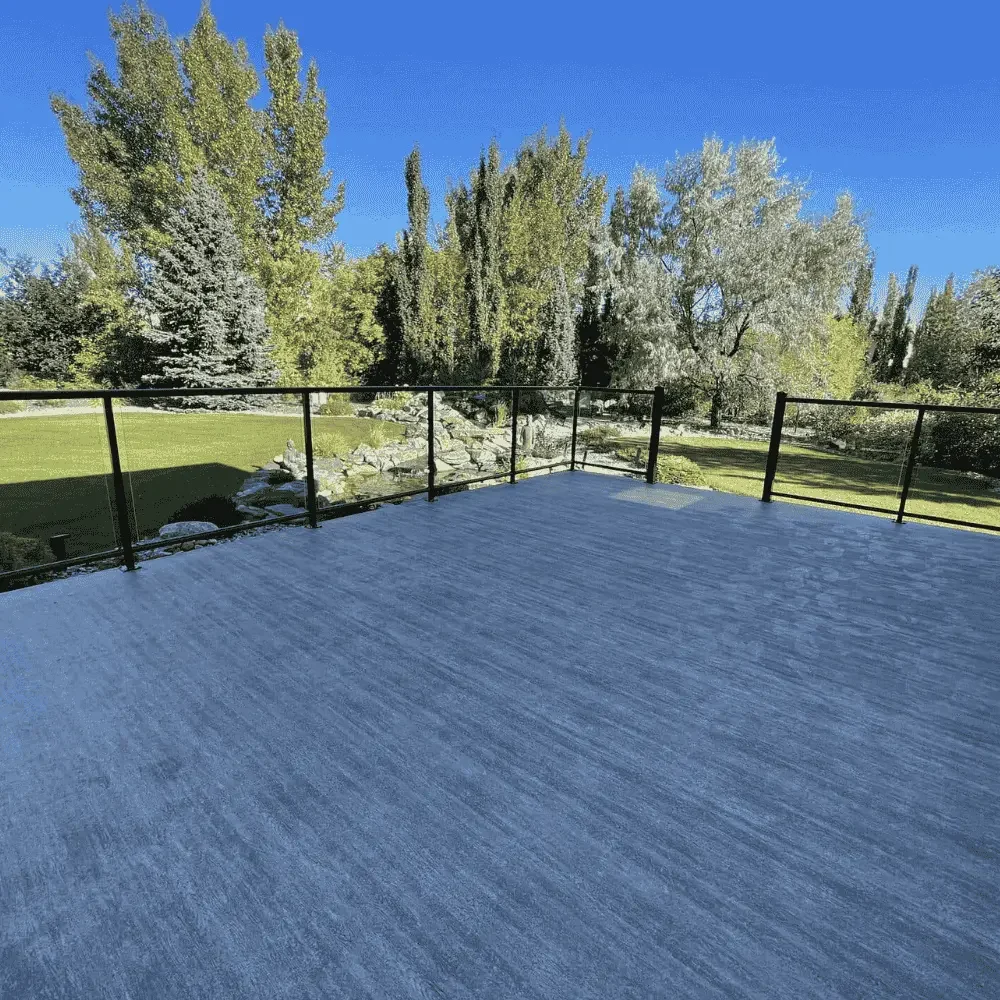
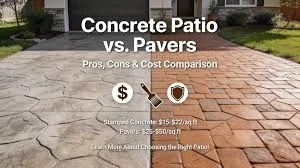
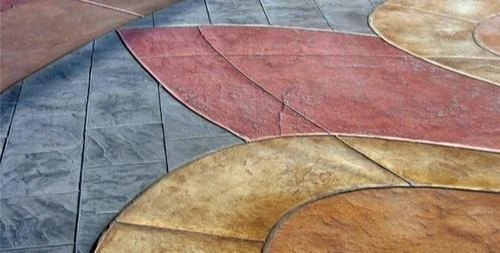
Planning a patio upgrade in Mount Royal or a new build in McKenzie Towne and stuck between concrete and pavers? This is one of Calgary’s most common landscaping dilemmas. The right choice affects your budget, weekend maintenance, and how well your patio handles our famous chinooks and deep freezes. Let’s cut through the confusion and compare these two heavyweights side-by-side. Your decision impacts everything from upfront cost in Calgary to long-term curb appeal. As your local concrete authority, EdmontonConcrete helps homeowners and builders across Alberta make informed choices. We’ll break down the pros, cons, and local realities of each option so you can invest with confidence. What Are Concrete Patios? A concrete patio is created by pouring a wet mixture of cement, aggregates, and water into forms on a prepared site. Once cured, it becomes a solid, monolithic slab. Modern techniques, like stamping and coloring, allow it to mimic more expensive materials while retaining its inherent strength. It’s a popular, versatile foundation for outdoor living spaces throughout communities like Brentwood and beyond. The installation is a continuous process, resulting in a seamless surface. This uniformity is a key characteristic, offering a sleek, modern look that many Calgary homeowners appreciate for its simplicity. The final product’s performance hinges heavily on the quality of the initial mix design and the skill of the installation crew. Pros of Concrete Patios Concrete’s primary advantage is its lower initial cost per square foot compared to most paver systems. It provides a incredibly durable and strong surface that, when installed correctly, can last for decades. The smooth, seamless finish is also easier to keep clean from spills and general backyard debris. With advanced finishing techniques, concrete offers surprising design flexibility. You can have it stamped to look like stone, stained in a range of earthy tones, or given a brushed finish for added texture. This makes it a cost-effective way to achieve a high-end aesthetic without the premium price tag of natural stone pavers. Cons of Concrete Patios The most significant downside is its susceptibility to cracking. Calgary’s aggressive freeze-thaw cycles and expansive clay soils can cause stress fractures over time, even with control joints. These cracks can be tripping hazards and are difficult to repair invisibly. The large, impermeable surface can also contribute to water runoff issues during our heavy spring rains. Repairs are rarely seamless. Fixing a cracked section often involves cutting out the damaged area and pouring new concrete, which will almost always show as a patch. Furthermore, if you ever decide to change the design or color, your options are limited to overlays or a complete tear-out and replacement. What Are Paver Patios? Paver patios are constructed from individual, interlocking units made of concrete, brick, or natural stone. These units are laid over a compacted gravel and sand base, creating a flexible, permeable surface. The key distinction is that they are not a single slab but a system of many pieces working together. This modular approach is a major benefit. Pavers are manufactured to precise tolerances, allowing for intricate patterns like herringbone or basket weave. They are the go-to choice for projects in areas with challenging drainage or soil movement, such as properties on the slopes near Nose Hill Park. Pros of Paver Patios Pavers excel in repair and flexibility. If a section heaves or becomes stained, you can simply lift out the affected units and replace them without leaving a visible patch. Their permeable design allows water to drain between the joints, reducing surface runoff and complying with modern landscaping best practices. The aesthetic appeal is immediate and vast. With countless colors, shapes, sizes, and textures available, you can create a truly custom look. This design versatility often translates to a higher perceived value and can boost your home’s resale appeal more noticeably than standard concrete. Cons of Paver Patios The most notable drawback is the higher initial material and installation cost. The process is more labor-intensive, requiring precise grading and cutting of individual pieces. Over time, the joints between pavers can settle unevenly or become invaded by weeds and ants, requiring ongoing maintenance. While individual pavers are strong, the surface can feel less solid underfoot than a concrete slab, especially if the base preparation wasn’t perfect. Snow removal can also be trickier, as sharp shovel edges or metal plows can catch on the joints and potentially dislodge pieces. Cost Comparison Budget is often the deciding factor. It’s crucial to look beyond just the sticker price and consider the total cost of ownership over 10-15 years, including installation, maintenance, and potential repairs. Calgary’s competitive contracting market means prices can vary, but general ranges hold true. Bottom line: concrete wins on upfront cost, but pavers can offer better long-term value if repairs are needed. Concrete Patio Costs In Calgary, a basic broom-finished concrete patio typically ranges from $15 to $25 per square foot, installed. This includes site preparation, forming, pouring, and finishing. If you opt for decorative upgrades like stamping, coloring, or exposed aggregate, the price can climb to $20-$35+ per square foot. The price reflects the material efficiency and faster installation process. You’re paying for the material and the skilled labor of the finishers who have a narrow window to get the texture and finish perfect before the concrete sets. Paver Patio Costs Paver patios start at a higher price point, generally between $25 and $40+ per square foot for a quality installation with a concrete base. The cost is driven by the price of the individual pavers themselves and the significantly higher labor required for pattern layout, cutting, and precise placement. Natural stone pavers like flagstone or limestone will push the price to the higher end of that spectrum or beyond. The complexity of your design, including curves and patterns, will also add to the final invoice from your Calgary landscaper. Long-Term Value This is where the comparison gets interesting. While concrete is cheaper upfront, a major crack can lead to a costly, disruptive repair. Pavers, with their easy
Concrete vs. Asphalt Driveways: Pros, Cons & Cost
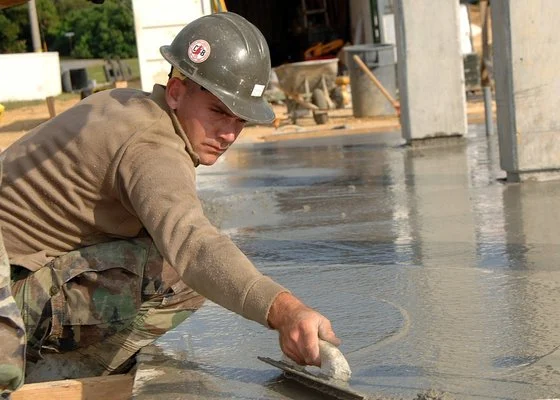
Staring at the cracked, weathered surface of your old drive in Sunnyside or planning a new development in Quarry Park? Choosing between concrete and asphalt is one of the biggest decisions you’ll make for your Calgary property. It’s more than just picking a grey colour—it’s a long-term investment in curb appeal, maintenance schedules, and value. This detailed comparison from the local team at EdmontonConcrete cuts through the confusion, laying out the real-world pros, cons, and costs you need to know. Key Differences Between Concrete and Asphalt At first glance, a finished driveway in Bowness or McKenzie Lake might look similar, whether it’s concrete or asphalt. The core differences, however, lie beneath the surface and dictate everything from cost to longevity. Understanding these fundamentals helps you make a choice that stands up to Deerfoot Trail traffic and Chinook-driven thaw cycles alike. Material Composition Concrete is a rigid pavement made from a mixture of cement, water, sand, and aggregate like gravel or crushed stone. It cures into a hard, solid slab that supports weight through its own structural strength. Asphalt, or asphalt concrete, is a flexible pavement consisting of about 95% stone and sand bound together by a viscous bitumen (asphalt cement) binder. That binder is what gives asphalt its signature black colour and flexibility. This fundamental difference in composition directly influences how each material behaves under Calgary’s temperature swings and heavy loads. Climate Suitability Both materials are used worldwide, but their performance varies dramatically with climate. Asphalt’s flexibility makes it better at handling ground movement and slight heaving from frost, common in areas with expansive clay soil like many Calgary communities. Concrete’s rigidity makes it exceptionally durable but more prone to cracking if the base isn’t perfectly prepared for our freeze-thaw cycles. Hot summers are another key factor. Asphalt softens slightly in high heat, which is why you might see temporary tire marks on a hot day in the Beltline. Concrete, however, reflects more heat and remains dimensionally stable, making it a consistent performer through our summer heatwaves. Lifespan and Durability When properly installed and maintained, concrete significantly outlasts asphalt. A high-quality concrete driveway can last 30 to 40 years or more. A well-built asphalt driveway typically lasts 15 to 20 years before requiring a full replacement. Durability also refers to resistance to wear. Concrete is highly resistant to oil spills, UV degradation, and de-icing chemicals. Asphalt is more susceptible to damage from oil and gas drips, which can break down the binder, and requires protection from UV rays to prevent it from becoming brittle and grey. Asphalt Driveways Known for its smooth, dark finish and lower initial price tag, asphalt is a popular choice for many Calgary driveways and commercial lots. Let’s break down what choosing asphalt really means for your home in Tuscany or your commercial property near the airport. Pros of Asphalt The most immediate advantage of asphalt is its lower upfront cost compared to concrete, which we’ll detail in the cost section. It’s also faster to install; a crew can often complete and compact an asphalt driveway in a single day, and it’s ready for light use within 24-48 hours after cooling. Its flexibility is a major asset in our climate. Asphalt can bend slightly with ground movement, reducing the likelihood of major cracks from frost heave. Repairs are also generally simpler and less expensive, involving patching or overlaying rather than full slab replacement. Cons of Asphalt The trade-off for a lower initial cost is a higher maintenance commitment. Asphalt requires sealing every 2-3 years to protect its surface from water, oil, and UV rays. Without regular sealing, it oxidizes, turns grey, and becomes brittle, leading to cracks and raveling (loss of aggregate). It has a shorter overall lifespan and is more vulnerable to damage from automotive fluids. Its dark colour also absorbs heat, contributing to minor softening in peak summer temperatures and potentially leading to a hotter microclimate around your home. Cost of Asphalt Driveways For a standard residential driveway in Calgary, asphalt installation costs typically range from $8 to $12 per square foot. This price includes site preparation, a compacted gravel base, and the asphalt layering and compaction. For a typical 600 sq ft double driveway, you’re looking at an initial investment of $4,800 to $7,200. These costs can fluctuate based on accessibility, the complexity of the site grading, and the current price of oil, which affects the cost of bitumen. Always ensure your quote includes a detailed breakdown of the base preparation, as a poor base is the leading cause of premature asphalt failure. Installation Time Speed is a key selling point for asphalt. The installation process is relatively quick. After the sub-base is graded and compacted, hot-mix asphalt is delivered, spread with a paver, and rolled with a heavy compactor. The driveway needs to cool and harden, but it can usually handle vehicle traffic within a day or two. This quick turnaround minimizes disruption, a crucial factor for businesses or homeowners who need reliable access. Bottom line: if you need a new driveway fast, asphalt delivers a usable surface in minimal time. Maintenance Requirements Asphalt maintenance is non-negotiable. A proper maintenance regimen starts with a protective sealcoat applied 6-12 months after installation and then reapplied every 2-3 years. This sealant fills small surface voids, restores the rich black colour, and blocks water and oil penetration. You should also perform visual inspections each spring after the thaw. Look for new small cracks, which should be cleaned and filled with a rubberized crack filler to prevent water from seeping in and undermining the base. Ignoring these small steps leads to potholes and expensive repairs. Repair and Resurfacing Common asphalt repairs include filling cracks, patching potholes, and applying a new wear layer or “overlay.” Crack filling is a routine DIY or professional task. Pothole repair involves cutting out the damaged area, replacing the base material, and compacting new hot-mix asphalt into the hole. When the surface shows widespread cracking, raveling, or oxidation, a 1.5 to
Retaining Wall Shotcrete Services Calgary
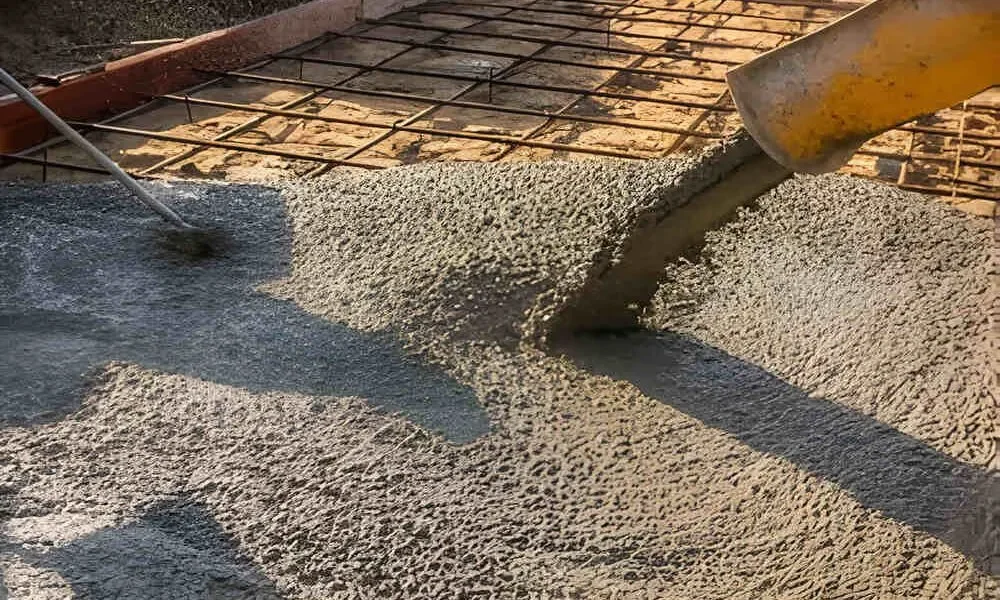
If you’re planning a custom pool in Aspen Woods or tackling a major retaining wall project in Tuscany, you’ve likely heard two terms thrown around: shotcrete and gunite. Knowing the difference is more than just industry jargon—it’s about ensuring your project is built to last through Calgary’s tough freeze-thaw cycles. Here’s what Calgary homeowners and contractors actually need to know to make the right call for their specific job. What is Shotcrete? Shotcrete is a method of placing concrete where a pre-mixed, wet concrete mixture is pneumatically projected at high velocity onto a surface. Think of it like a high-powered hose spraying a ready-to-go concrete mix. This technique is prized for its efficiency and ability to create uniform, dense layers. The key is that all the ingredients—cement, aggregates, and water—are combined before they hit the nozzle. For complex shapes or vertical applications, like the curved walls of a luxury home feature in Mount Royal, shotcrete provides exceptional control. It bonds incredibly well to existing surfaces and can be applied in thinner layers than traditional poured concrete. That makes it a go-to for structural repairs and intricate architectural work across Alberta. Wet Shotcrete Process The process begins with a fully hydrated concrete mix being loaded into a shotcrete rig’s hopper. This mix is then pumped through a delivery hose to a nozzle, where compressed air propels it onto the target surface. The operator at the nozzle has direct control over the placement and pattern. Because the mix is wet, it arrives at the surface with a consistent slump and workability. This allows for a smoother finish right out of the gun, which can be further troweled if needed. It’s a method favoured for its speed on large commercial projects, like the foundational work seen along the Bow River pathway developments. For projects demanding a fast, consistent application with minimal rebound waste, wet-mix shotcrete is often the superior choice. What is Gunite? Gunite, often used interchangeably with “dry-mix shotcrete,” is a process where dry cement and aggregate are propelled through a hose, with water added exclusively at the nozzle just before ejection. This method offers the operator significant on-the-fly control over the mix’s water content. It’s the classic technique behind many of Calgary’s iconic backyard swimming pools and free-form rock landscapes. The dry materials are mixed in a chamber and blown through the hose using compressed air. At the nozzle, a skilled nozzleman injects a precise stream of water, hydrating the mix instantly as it’s sprayed. This allows for immediate adjustments based on the substrate’s absorption and the desired consistency. Dry Gunite Process The gunite process relies heavily on the skill of the nozzle operator. They control the water injection valve, directly influencing the mix’s workability and final strength. Too little water and the material won’t adhere properly; too much and it can sag or run. This hands-on control makes gunite exceptionally versatile for sculptural work. It’s the reason you see those perfectly smooth, radiused pool coves in communities like Lake Bonavista. The operator can build up layers gradually, creating strong, monolithic structures without the need for extensive formwork. Gunite’s strength lies in its adaptability, making it ideal for custom, artistic, or complex vertical applications where standard forms won’t work. According to industry standards from the American Concrete Institute (ACI), proper shotcrete application significantly improves structural durability Key Differences Between Shotcrete and Gunite While both methods involve spraying concrete, the core differences lie in *when* the water is added and *how* the material behaves during application. These distinctions directly impact your project’s cost, timeline, and final quality. Mixing and Water Addition This is the most fundamental difference. Shotcrete uses a pre-mixed, wet concrete, similar to what you’d see in a standard Omega ReadyMix truck. Gunite, conversely, combines dry cement and aggregate, with water added at the very last second at the nozzle. The wet-mix process offers more consistent hydration, while the dry-mix allows for immediate adjustment. Application Method Shotcrete is typically pumped through the hose and then accelerated by compressed air at the nozzle. Gunite uses compressed air to blow the dry mix through the hose, injecting water at the tip. This leads to different equipment setups and requires different operator skillsets. A gunite nozzleman needs extensive experience to judge the water ratio correctly in real-time. Slump and Consistency Shotcrete arrives with a predetermined, consistent slump because it’s mixed at the plant. Gunite’s consistency is variable and controlled on-site. This means shotcrete is less prone to sag on vertical surfaces, while gunite can be made stiffer or wetter to suit immediate conditions, like a porous existing wall in an older Bridgeland renovation. Strength and Quality Control Both methods can achieve high strengths, but control points differ. Shotcrete quality is largely determined at the batching plant, offering predictable results. Gunite quality is heavily dependent on the nozzle operator’s expertise. A top-tier operator can produce incredibly strong, dense material, but the risk of inconsistency is higher with less experienced crews. Your choice often comes down to prioritizing consistent plant-controlled quality (shotcrete) versus versatile, operator-dependent adaptability (gunite). To better understand performance differences, explore our guide on differences between Shotcrete vs Gunite before choosing a method. Pros and Cons of Shotcrete Understanding the trade-offs of each method is key to a successful project. Shotcrete brings modern efficiency but isn’t perfect for every scenario. Advantages of Shotcrete Shotcrete excels in speed and volume. The pre-mixed material allows for a much faster rate of placement, which can significantly shorten project timelines. It also produces less rebound (wasted material that bounces off the surface), making it cleaner and more cost-effective on large, straightforward pours. The consistency of the wet mix leads to more uniform density and strength throughout the applied layer. This is a major advantage for critical structural elements, like foundation walls or seismic retrofits, where predictable performance is non-negotiable. Disadvantages of Shotcrete The primary drawback is its lack of on-site adjustability. Once the mix leaves the plant, its water content is fixed. This can be problematic
Shotcrete vs Gunite: Differences and Applications
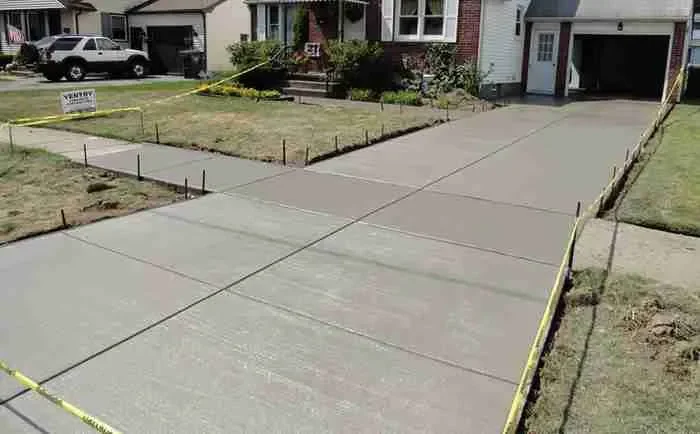
You’re standing in your backyard in Altadore, coffee in hand, visualizing a new swimming pool or a modern retaining wall for your Riverbend property. Your contractor mentions “shotcrete” and “gunite,” and you nod along, but a question lingers: what’s the real difference? Knowing which one is right for your Calgary project isn’t just technical jargon—it’s the foundation of its success. Here’s what you actually need to know to make an informed decision. OmegaReadyMix, with its years of Calgary-specific experience, knows that from the clay-heavy soils of the deep southeast to the windswept lots in Skyview Ranch, the right material choice is everything. What is Shotcrete? Think of shotcrete as ready-to-use concrete, fired out of a hose at high velocity. The concrete arrives on-site in a truck already fully mixed with water, just like the concrete you’d see for a driveway pour along Macleod Trail. This pre-mixed slurry is then pneumatically propelled through a hose and nozzle onto the surface. Because the mix is already complete, the application process is fast and creates a dense, monolithic layer. This method is favoured for its speed and the uniformity it provides, especially on large-scale projects where consistency is key. Wet-Mix Process In the wet-mix shotcrete process, all ingredients—cement, aggregates, water, and any admixtures—are blended at a plant or in the transit mixer. The crew has precise control over the water-cement ratio from the start, which is critical for achieving predictable strength and durability. This mix is then pumped to the nozzle, where compressed air propels it onto the forming surface. The main advantage here is the high volume of material that can be placed quickly, with less rebound waste compared to its dry-mix counterpart. Key Benefits of Shotcrete Speed is the headline benefit for shotcrete. For a commercial foundation in East Village with tight timelines, or a large retaining wall project in Springbank Hill, the ability to place concrete rapidly is a major cost and schedule advantage. The process also results in a highly compacted, low-permeability finish that stands up well to Calgary’s freeze-thaw cycles. You get a uniform, high-strength product with less variability from batch to batch, which gives peace of mind on structurally demanding jobs. For projects where time and consistent high-volume placement are critical, shotcrete is often the go-to choice. For homeowners dealing with structural issues, understanding how shotcrete performs is essential—especially for basement and foundation repair projects where durability and water resistance are critical. What is Gunite? Gunite is often confused with shotcrete, but it represents the original “dry-mix” application method. Here, the dry sand and cement mixture is propelled through the hose, and water is only introduced at the nozzle, right at the point of application. This on-the-fly mixing allows the nozzleman incredible control over the consistency and hydration of the mix. It’s a skill-intensive process that, when done by an experienced crew, can be tailored precisely to the job’s needs. Dry-Mix Process The dry-mix gunite process involves feeding a pre-blended dry powder of cement and damp sand into a pressurized hopper. This material is carried by compressed air through the delivery hose. At the nozzle, a separate water line injects the precise amount of water needed to activate the cement. The nozzleman literally controls the mix with their trigger finger, adjusting water flow in real-time based on how the material is sticking to the surface. This hands-on control is what defines the gunite process and requires a highly trained operator. Key Benefits of Gunite The supreme benefit of gunite is its versatility and adaptability. Because water is added at the nozzle, the mix can be adjusted instantly—wetter for overhead work or drier for vertical walls. This makes it ideal for complex shapes and sculptural work, like the curved freeform pools popular in luxury communities like Aspen Woods. It also generally produces less rebound than wet-mix shotcrete, meaning more of the material ends up on the wall and less on the ground. For intricate, rebar-dense projects or repairs where thickness needs to vary, gunite offers unparalleled control. On sloped properties, shotcrete is often used for slope stabilization and retaining wall systems to prevent soil movement and erosion over time. When you need artistic flexibility or are working on complex, reinforced geometries, gunite provides the craftsman’s touch. Key Differences Between Shotcrete and Gunite While both end up as hardened concrete, the journey from bag to wall is fundamentally different. It boils down to *when* the water is added and what that means for your project’s speed, cost, and finish. Application Method and Water Addition This is the core difference. Shotcrete (wet-mix) is concrete, fully mixed with water before it’s shot. Gunite (dry-mix) is a dry powder until the moment it leaves the nozzle. Think of it like a cake: shotcrete is a pre-mixed batter you pour; gunite is combining the flour and eggs right as you pour them into the pan. This simple timing shift impacts everything from the equipment needed to the skill of the crew. It’s the first decision point for any contractor, including experts like OmegaReadyMix, when planning a Calgary job. Mix Consistency and Control With shotcrete, consistency is guaranteed at the plant. Every cubic metre that leaves the facility has the same water-cement ratio, offering predictable strength. With gunite, consistency is in the hands—literally—of the nozzle operator. A skilled nozzleman can create the perfect texture for the task, but this also introduces a variable. The quality of the finished gunite is directly tied to the experience level of the applicator, more so than with shotcrete. Strength and Durability Both methods can produce high-strength, durable concrete when executed correctly. Properly applied shotcrete often has a slight edge in achieving maximum density and low permeability due to its pre-mixed, high-velocity impact. Gunite, when applied by a master, can achieve exceptional bond strength to rebar and existing substrates because the dry material can be driven deep into crevices before hydration. For repairing older Calgary foundations in historic neighbourhoods like Inglewood, this penetration can be key. If you
Concrete Drainage Solutions for Edmonton Properties
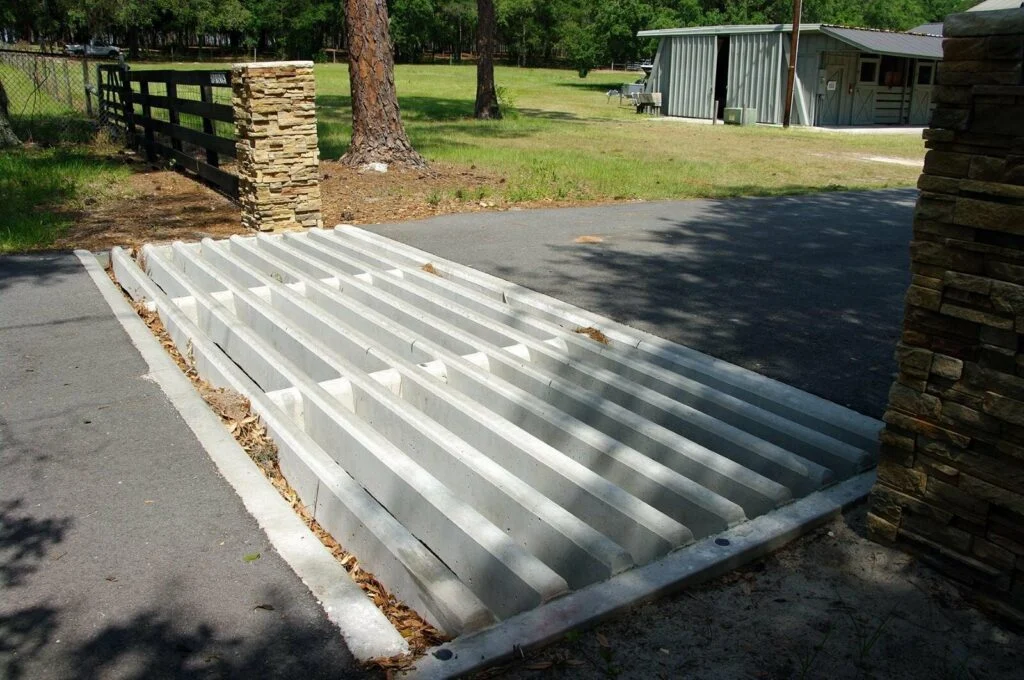
Water and concrete don’t mix well—especially in Edmonton. Between heavy spring snowmelt, sudden summer downpours, and relentless freeze–thaw cycles, poor drainage is one of the fastest ways for concrete surfaces to fail. Homeowners often notice the symptoms first: puddles on the driveway, icy walkways in winter, cracks forming earlier than expected, or water creeping toward the foundation. The good news? Most drainage problems can be prevented—or corrected—when concrete is properly designed, graded, and installed for local conditions. In this guide, we’ll walk through the real causes of concrete drainage issues in Edmonton, how they affect homes and commercial properties, and the proven concrete drainage solutions that actually hold up in Alberta’s climate. Why Concrete Drainage Is a Major Issue in Edmonton Edmonton presents a perfect storm for drainage-related concrete problems. Unlike warmer or drier regions, concrete here must handle extreme temperature swings, long winters, and soil conditions that naturally resist water movement. Freeze–Thaw Cycles Put Constant Stress on Concrete When water sits on or beneath concrete, it doesn’t just evaporate—it freezes. As water freezes, it expands by roughly 9%. That expansion creates pressure inside the concrete and the base material below it. Over time, this leads to: According to the Cement Association of Canada, freeze–thaw damage is one of the leading causes of premature concrete failure in cold climates when drainage and air entrainment are inadequate. Snowmelt and Spring Runoff Create Hidden Water Loads In Edmonton, drainage issues aren’t limited to rainfall. Snow accumulation over winter can store large volumes of water. When temperatures rise quickly in spring, that meltwater needs a clear, intentional path away from structures. If concrete is flat or sloped incorrectly, water can pool against: Without proper concrete drainage, that meltwater often refreezes at night, worsening surface damage and increasing slip hazards. Clay-Heavy Soils Complicate Natural Drainage Much of the Edmonton area sits on clay-based soils. Clay drains slowly, holds moisture, and expands when wet. This makes surface drainage even more important, because once water gets trapped under concrete, it can remain there for long periods—magnifying freeze–thaw damage and settlement issues. Edmonton’s extreme temperature swings, freeze–thaw cycles, and clay-heavy soils create unique challenges that require climate-specific concrete design. A deeper breakdown of how Edmonton weather affects concrete performance over time helps explain why drainage, air entrainment, and proper curing are non-negotiable in this region. What Happens When Concrete Drainage Is Done Wrong Drainage problems rarely show up as a single dramatic failure. Instead, they develop quietly, season after season, until repair costs climb far higher than the original installation. Standing Water and Surface Pooling One of the most common signs of poor concrete drainage is visible pooling after rain or snowmelt. While it may seem harmless at first, standing water: Over time, pooled water weakens the surface paste and exposes aggregate, reducing both appearance and durability. Freeze–Thaw Damage and Early Cracking When pooled water freezes, it forces cracks to widen. Each freeze–thaw cycle compounds the damage. In Edmonton, where dozens of freeze–thaw cycles can occur annually, poorly drained concrete may fail years earlier than expected. This is why many homeowners are surprised to see cracking in concrete that’s less than a decade old—drainage, not age, is often the root cause. Foundation and Structural Risks Improperly sloped concrete doesn’t just affect the slab itself—it can redirect water toward the building. Driveways, patios, and walkways that slope toward the house increase the risk of: In many cases, correcting drainage early with proper concrete grading costs a fraction of what foundation repairs do later. Key Principles of Proper Concrete Drainage Design Effective concrete drainage isn’t accidental—it’s engineered. Professional contractors plan drainage from the ground up, not as an afterthought. Correct Slope and Grade Requirements For most exterior concrete surfaces, industry best practice calls for a slope of approximately 1–2% away from structures. That equals about: This slope is subtle enough to walk or drive on comfortably, yet steep enough to move water efficiently. In Edmonton, maintaining consistent slope is especially important because even shallow depressions can trap water that freezes overnight. Intentional Water Flow Direction Good drainage design answers one critical question: Where does the water go? Concrete should guide water toward safe discharge areas such as: Random slopes or “eyeballed” grading often lead to water moving in unintended directions—usually toward the building. Integration with Existing Drainage Systems Concrete drainage works best when coordinated with the rest of the property’s water management systems. This includes: When these systems work together, water is moved away efficiently, reducing stress on both concrete and foundations. Types of Concrete Drainage Solutions for Edmonton Properties Different properties and layouts call for different drainage strategies. In Edmonton, the most effective solutions are those that combine durability with climate-aware design. Sloped Concrete Flatwork Properly sloped flatwork is the foundation of most drainage solutions. This includes: When installed correctly, sloped flatwork sheds water naturally without the need for additional drainage hardware. This is often the most cost-effective and low-maintenance option for residential properties. Concrete Channel Drains In areas where slope alone isn’t enough—such as driveways that slope toward a garage—concrete channel drains provide a reliable solution. These linear drains: Channel drains are commonly used at garage entrances, between buildings, or in commercial loading zones where large volumes of water must be controlled. Concrete Swales and Defined Drainage Paths Concrete swales are shallow, shaped channels that guide water across a surface without standing pools. They’re often used to: When designed properly, swales are both practical and visually unobtrusive. Summary so far: Edmonton’s climate makes concrete drainage a critical design consideration—not a cosmetic one. From proper slope and grading to integrated drainage systems, the right approach prevents pooling, cracking, and costly long-term damage. In the next section, we’ll break down drainage solutions by property type, explain how Edmonton’s climate affects material choices, and help you decide when repair is enough—or when full replacement is the smarter move. Drainage Solutions by Property Type Concrete drainage is not one-size-fits-all. The right solution depends on how the property is used,