
Polished Concrete Floors: Modern Solutions
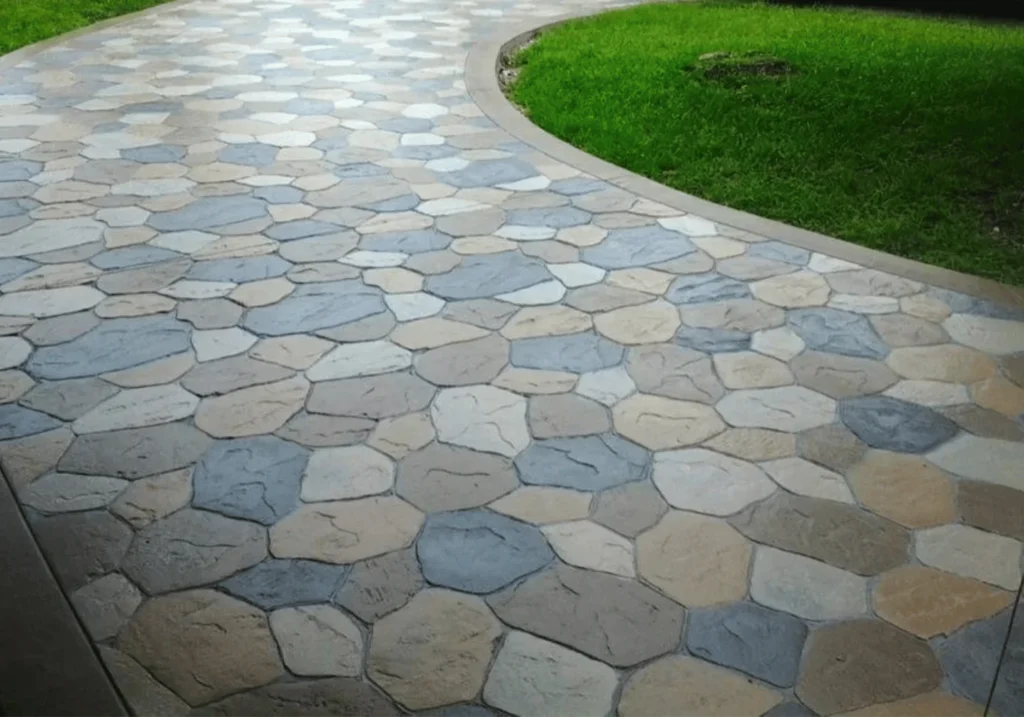
Flooring decisions are no longer just about durability—they’re about style, sustainability, and long-term value. In Edmonton, where temperature swings, moisture, and heavy use can quickly wear down traditional flooring, property owners are searching for smarter solutions. Polished concrete floors have emerged as a modern answer, offering a sleek appearance, exceptional strength, and low maintenance that fits both residential and commercial spaces. Once associated mainly with warehouses and industrial buildings, polished concrete has evolved into a design-forward flooring option trusted by architects, builders, and homeowners alike. In this guide, we’ll explore what polished concrete floors are, why they’re gaining popularity in Edmonton, and how they deliver lasting performance in Canada’s demanding climate. Introduction to Polished Concrete Floors Why Polished Concrete Is Gaining Popularity in Edmonton Edmonton property owners face unique challenges: freeze-thaw cycles, moisture migration through slabs, and high-traffic demands in both homes and commercial facilities. Polished concrete floors address these issues head-on. By mechanically grinding and refining the concrete surface, contractors create a dense, durable floor that resists cracking, dusting, and moisture-related damage. According to industry data from the American Society of Concrete Contractors, properly polished concrete can last 20–30 years or more with minimal maintenance—often outlasting vinyl, tile, and many coated flooring systems. For Edmonton homeowners and business owners focused on long-term value, that durability is a major selling point. From Industrial Roots to Modern Design Statement Historically, concrete floors were hidden under carpet, tile, or epoxy coatings. Today, exposed and polished concrete is celebrated for its clean lines and contemporary aesthetic. Designers now use polished concrete as a visual feature, pairing it with wood, steel, and glass to create modern interiors that feel both warm and refined. Retail stores, restaurants, and custom homes across Edmonton are embracing polished concrete for its ability to reflect light, enhance open-concept spaces, and deliver a high-end look without excessive materials. Addressing Common Flooring Challenges in Canadian Climates Traditional flooring materials can struggle in Canadian conditions. Hardwood may warp, tile grout can crack, and coatings can peel under temperature fluctuations. Polished concrete floors are different. Because the finish is part of the slab itself—not a layer applied on top—it moves naturally with the concrete and resists damage caused by seasonal expansion and contraction. For exterior areas where texture and drainage matter, open-pit aggregate concrete surfaces offer a rugged alternative to polished finishes while maintaining long-term durability. What Are Polished Concrete Floors? Definition and Core Characteristics Polished concrete floors are created by mechanically grinding a concrete slab using progressively finer diamond abrasives. The process densifies the surface, closes pores, and produces a smooth, reflective finish. The result is a floor that is hard-wearing, dust-resistant, and visually striking. Key characteristics include: Surface Densification Explained A critical step in polishing is the application of a concrete densifier—typically a lithium or sodium silicate solution. This material reacts chemically with the concrete to form additional calcium silicate hydrate, increasing surface hardness. Studies published in Concrete Construction Magazine show densified concrete surfaces can be up to 40% harder than untreated slabs. Mechanical Polishing vs. Coatings Unlike epoxy or acrylic coatings that sit on top of concrete, polished concrete is created through mechanical refinement. This means there’s no layer to peel, bubble, or delaminate over time—making it ideal for high-traffic Edmonton environments. How Polished Concrete Differs from Epoxy and Tile Epoxy floors rely on surface adhesion, which can fail if moisture rises through the slab. Tile introduces grout lines that require ongoing maintenance. Polished concrete eliminates these weaknesses by transforming the slab itself into the finished floor. Homeowners looking to personalize their interiors often explore transforming their home space with colored concrete, using dyes or stains to add warmth and character to polished floors. Benefits of Polished Concrete Flooring Exceptional Durability for High-Traffic Areas Polished concrete floors are engineered to handle heavy foot traffic, equipment loads, and daily wear. This makes them a popular choice for garages, basements, retail stores, warehouses, and busy households. Low Maintenance & Long-Term Cost Savings Maintenance typically involves simple dust mopping and occasional wet cleaning with a neutral cleaner. There’s no need for waxing, stripping, or recoating—saving property owners thousands of dollars over the life of the floor. Modern Aesthetic with Custom Finish Options From subtle matte finishes to high-gloss, mirror-like surfaces, polished concrete offers flexibility that few flooring options can match. Aggregate exposure levels and color treatments allow each floor to be customized to the space. Moisture Resistance & Thermal Performance In Edmonton basements and slab-on-grade homes, moisture control is critical. Polished concrete’s low permeability helps manage vapor transmission, reducing mold risk and improving indoor air quality. Sustainable & Eco-Friendly Flooring Choice Because polished concrete uses the existing slab, it reduces the need for additional materials. The U.S. Green Building Council recognizes polished concrete as a sustainable flooring option that can contribute to LEED credits through material reuse and improved light reflectivity. Polished Concrete Floor Finishes & Design Options Levels of Gloss (Matte, Satin, High-Gloss) Gloss levels are controlled by the final grit used in polishing. Matte finishes offer a soft, understated look, while high-gloss floors maximize light reflection—often reducing the need for artificial lighting in commercial spaces. Aggregate Exposure Levels Cream Finish This finish exposes minimal aggregate, showcasing the natural cement paste. It’s popular in modern homes and offices for its smooth, minimalist appearance. Salt-and-Pepper Finish A light grind reveals fine aggregate, creating subtle texture and visual interest without overwhelming the space. Full Aggregate Finish Deeper grinding exposes larger stones within the concrete, resulting in a terrazzo-like look often used in commercial or architectural applications. Decorative Enhancements Concrete Dyes & Stains Dyes and stains allow for customized color tones—from warm earth hues to bold contemporary shades—without compromising durability. Saw Cuts, Patterns & Borders Decorative saw cuts can mimic large tile layouts or add geometric patterns, enhancing visual appeal while maintaining a seamless surface. Anti-Slip Treatments For safety-sensitive areas, anti-slip additives can be incorporated without sacrificing the clean look of polished concrete floors. Polished Concrete for Residential Spaces Living Rooms, Kitchens & Basements
Colored Concrete Options: Transform Your Property
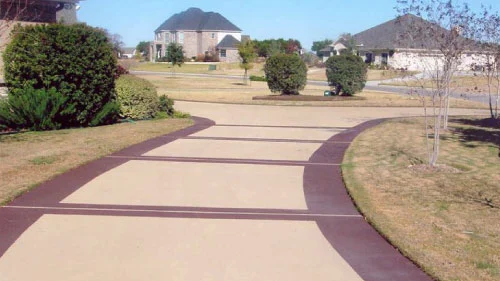
Plain grey concrete used to be the default choice for driveways, patios, and walkways—but today, property owners across Edmonton are looking for more. They want surfaces that are not only strong and long-lasting, but also visually striking and aligned with modern design trends. That’s where colored concrete options come in. From warm earth tones to contemporary charcoal and custom blends, colored concrete allows homeowners and commercial property owners to elevate curb appeal without sacrificing durability. When installed correctly and designed for Alberta’s demanding freeze-thaw climate, colored concrete can outperform many traditional paving materials while delivering a premium aesthetic. In this guide, we’ll break down everything you need to know about colored concrete—how it works, the main types available, and which options perform best in Edmonton conditions. Drawing on real-world experience from local concrete projects, this article is designed to help you make confident, informed decisions before investing in your next concrete surface. What Is Colored Concrete? Colored concrete is concrete that has been enhanced with pigments, stains, or dyes to achieve a specific color or tone. Unlike surface coatings such as paint, most professional color systems are designed to integrate with the concrete itself, ensuring long-term performance and resistance to peeling or flaking. According to the American Concrete Institute (ACI), integrally colored and properly sealed decorative concrete can maintain its appearance for decades when installed and maintained correctly. This makes colored concrete a practical solution for both residential and commercial applications. How Concrete Color Is Achieved Concrete color can be introduced at different stages of the installation process. The method used has a direct impact on appearance, consistency, cost, and long-term durability. Each method has its own advantages, and the right choice depends on how the concrete will be used, exposed, and maintained. Colored Concrete vs Plain Grey Concrete While standard grey concrete is functional, it offers limited design flexibility. Colored concrete, on the other hand, enhances both aesthetics and perceived property value. Feature Plain Concrete Colored Concrete Visual appeal Minimal High – customizable colors Design flexibility Low Wide range of styles Maintenance needs Low Low to moderate (sealing) Property value impact Neutral Positive For many Edmonton homeowners, the modest additional investment in color delivers long-term aesthetic and resale benefits that far outweigh the initial cost difference. Main Types of Colored Concrete Options Not all colored concrete is created equal. Understanding the primary options available will help you choose a solution that fits your design goals, budget, and local climate requirements. Integral Color Concrete (Full-Depth Color) Integral color concrete is one of the most durable and consistent coloring methods available. Pigments are blended directly into the concrete mix at the batching stage, ensuring uniform color throughout the entire slab. Because the color runs through the full depth of the concrete, minor surface wear or small chips are far less noticeable compared to surface-applied treatments. Best uses include: In Edmonton’s freeze-thaw environment, integral color concrete performs exceptionally well when combined with air-entrained mixes and professional sealing. Many contractors prefer this option for exterior slabs exposed to de-icing salts and heavy traffic. Concrete Stains (Acid-Based and Water-Based) Concrete stains are applied after the slab has cured and work by penetrating the surface. Acid-based stains react chemically with the minerals in concrete, producing rich, natural tones with unique variation. Water-based stains offer more predictable color results and a wider color palette. This variation is often considered a design feature rather than a flaw, making stains ideal for homeowners seeking a natural, stone-like appearance. Common applications: However, stains rely heavily on proper surface preparation and sealing. In harsh winter climates, professional installation is essential to prevent uneven absorption and premature wear. Concrete Dyes Concrete dyes use ultra-fine pigments that penetrate deeply into the surface, delivering vibrant and consistent color. Unlike stains, dyes do not chemically react with the concrete, which allows for more control over the final appearance. Dyes are especially popular for modern designs and interior applications where bold or uniform color is desired. Key considerations: When properly sealed, dyed concrete can perform well, but it is generally less forgiving than integral color when exposed to constant UV and weather extremes. Colored Stamped Concrete Colored stamped concrete combines texture and color to replicate materials such as natural stone, slate, brick, or tile. This system often uses a base integral color with a secondary color release applied during stamping to add contrast and depth. This option is frequently chosen for high-visibility areas where appearance is a top priority. Popular uses include: Because stamped concrete relies on surface detailing, professional sealing and periodic maintenance are critical—especially in Edmonton’s climate. When done correctly, stamped colored concrete can deliver a premium look with the structural strength of concrete. For areas where traction and texture matter more than color uniformity, open-pit aggregate concrete provides a durable alternative that performs exceptionally well in Edmonton’s freeze-thaw conditions. Up next: In the second half of this guide, we’ll explore the most popular colored concrete applications in Edmonton, how to choose the right color for Alberta’s climate, cost considerations, maintenance tips, FAQs, and expert advice on working with a trusted local concrete contractor. Popular Colored Concrete Applications in Edmonton One of the biggest advantages of colored concrete is its versatility. With the right mix design and finishing method, it can be used across residential, commercial, and light industrial projects throughout Edmonton. Choosing the right application ensures both visual impact and long-term performance. Colored Concrete Driveways Driveways are one of the most common applications for colored concrete in Edmonton. They experience constant vehicle traffic, temperature swings, snow buildup, and exposure to de-icing salts—making durability critical. Integral color concrete is typically the best option for driveways because the color runs through the entire slab. If surface wear occurs over time, the appearance remains consistent rather than patchy. For homeowners looking to balance curb appeal with practicality, colored concrete driveways offer a clean, upscale look without the maintenance demands of pavers or exposed stone. Patios & Outdoor Living Spaces Patios are where colored concrete
Stamped Concrete Edmonton: Patterns, Colors & Cost
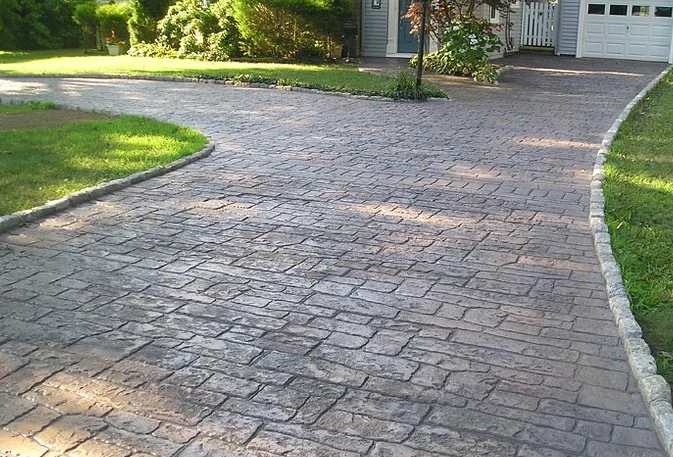
Stamped concrete has become one of the most popular decorative concrete solutions for homeowners and property developers across Edmonton. From modern patios to durable driveways and stylish walkways, stamped concrete offers the visual appeal of natural stone, brick, or wood—without the high cost or maintenance. However, many Edmonton homeowners struggle with the same questions: Which pattern looks best? What colors hold up in Alberta’s climate? And how much does stamped concrete actually cost in Edmonton? This in-depth guide is designed to answer those questions clearly and honestly. Drawing on real-world experience installing stamped concrete in Edmonton’s challenging freeze–thaw conditions, we’ll walk you through patterns, colors, durability considerations, and pricing—so you can make a confident, informed decision for your property. What Is Stamped Concrete? (And Why It’s Popular in Edmonton) Stamped concrete is freshly poured concrete that is textured, patterned, and colored before it fully cures. Specialized stamping mats are pressed into the surface to replicate the look of materials such as natural stone, slate, brick, cobblestone, or even wood planks. Once sealed, the surface becomes both decorative and highly durable. In Edmonton, stamped concrete is especially popular because it provides a balance between aesthetics and performance. With proper base preparation and sealing, stamped concrete can withstand Alberta’s harsh winters, heavy snow loads, and repeated freeze–thaw cycles—conditions that can quickly damage inferior materials. How Stamped Concrete Is Made The stamped concrete process requires precision, timing, and experienced crews. Unlike plain concrete, there is little margin for error. For homeowners who prefer a more textured, stone-rich surface, open-air aggregate concrete finishes are another decorative option commonly used for Edmonton driveways and walkways. According to the American Concrete Institute (ACI), proper curing and sealing are critical factors in extending the lifespan of decorative concrete, particularly in cold climates like Northern Alberta. Key Benefits of Stamped Concrete for Edmonton Properties Stamped concrete isn’t just about appearance—it’s a practical choice for Edmonton homes. Popular Stamped Concrete Patterns in Edmonton Choosing the right stamped concrete pattern is one of the most important design decisions. In Edmonton, homeowners tend to favor patterns that complement both modern and traditional architecture while hiding wear from snow removal and foot traffic. Stone & Slate Patterns Stone-inspired patterns remain the most requested option for stamped concrete patios and walkways in Edmonton. These patterns are ideal for patios, pool decks, and backyard living spaces where visual impact matters most. Brick & Cobblestone Patterns Brick and cobblestone stamped concrete patterns are commonly used for driveways and front walkways in older or character neighborhoods across Edmonton. Because these patterns include deeper textures, they also help improve traction during wet or icy conditions. Wood Plank Stamped Concrete Wood plank stamped concrete has surged in popularity over the past decade. It replicates the look of hardwood decking while eliminating concerns about rot, warping, or splinters. This pattern is commonly used for patios, steps, and outdoor entertaining areas, especially where homeowners want a warm, natural look with minimal maintenance. Stamped Concrete Colors That Work Best in Edmonton Color selection is more than an aesthetic choice—it directly affects heat absorption, fading, and long-term appearance. In Edmonton’s climate, practical color choices can significantly extend the life and beauty of stamped concrete. Popular Earth Tones and Natural Shades Earth-toned colors dominate stamped concrete projects in Edmonton because they complement both contemporary and traditional homes. These colors also help mask minor surface wear and are less prone to noticeable fading. Multi-Tone and Antique Coloring Techniques To achieve a realistic stone or wood appearance, professional installers often combine integral color with release agents or accent stains. This creates depth, contrast, and natural variation—key to avoiding a flat, artificial look. As one decorative concrete specialist from Concrete Network notes, “Layered color systems are what separate high-end stamped concrete from basic installations.” Choosing Colors for Snow, Ice, and Sun Exposure In Edmonton, darker colors absorb more heat and can help melt snow slightly faster in sunny conditions. However, extremely dark tones may show salt residue more easily. Lighter neutrals often provide the best balance between performance and appearance. Key takeaway: Always choose stamped concrete colors based on both design goals and Edmonton’s seasonal realities. In the next section, we’ll break down stamped concrete cost in Edmonton, including real pricing ranges, what affects the final price, and how stamped concrete compares to other decorative concrete options. Stamped Concrete Cost in Edmonton (2025 Pricing Guide) One of the most common questions homeowners ask is, “How much does stamped concrete cost in Edmonton?” While stamped concrete is more expensive than plain broom-finished concrete, it is often far more affordable than natural stone or interlocking pavers—especially when long-term maintenance is considered. Average Stamped Concrete Prices in Edmonton In the Edmonton area, stamped concrete typically costs: These prices generally include site preparation, forming, reinforcement, concrete placement, stamping, coloring, and sealing. What Affects the Cost of Stamped Concrete? Several factors influence the final price of a stamped concrete project in Edmonton: Stamped Concrete vs Other Decorative Concrete Options Surface Type Average Cost (Edmonton) Maintenance Level Durability Plain Concrete $8–$12 / sq ft Low High Stamped Concrete $18–$35 / sq ft Medium Very High Exposed Aggregate $14–$22 / sq ft Medium High Pavers / Stone $30–$50+ / sq ft High Medium–High For many Edmonton homeowners, stamped concrete offers the best balance between visual appeal, durability, and cost. While stamped concrete dominates outdoor applications, many Edmonton homeowners pair it with polished concrete as a modern flooring solution inside garages, basements, or contemporary living spaces. Best Uses for Stamped Concrete in Edmonton Stamped concrete is incredibly versatile and can be used across residential and commercial properties throughout Edmonton. Stamped Concrete Driveways Stamped concrete driveways create a striking first impression while standing up to vehicle loads and winter conditions. Proper reinforcement, control joints, and sealing are essential to ensure long-term performance. Many Edmonton homeowners choose stamped concrete driveways with subtle patterns and neutral colors to maintain curb appeal year-round. Patios, Walkways & Outdoor Living Spaces Stamped concrete patios and walkways are among the
Winter Concrete Damage Prevention (2026 Reliable Guide)
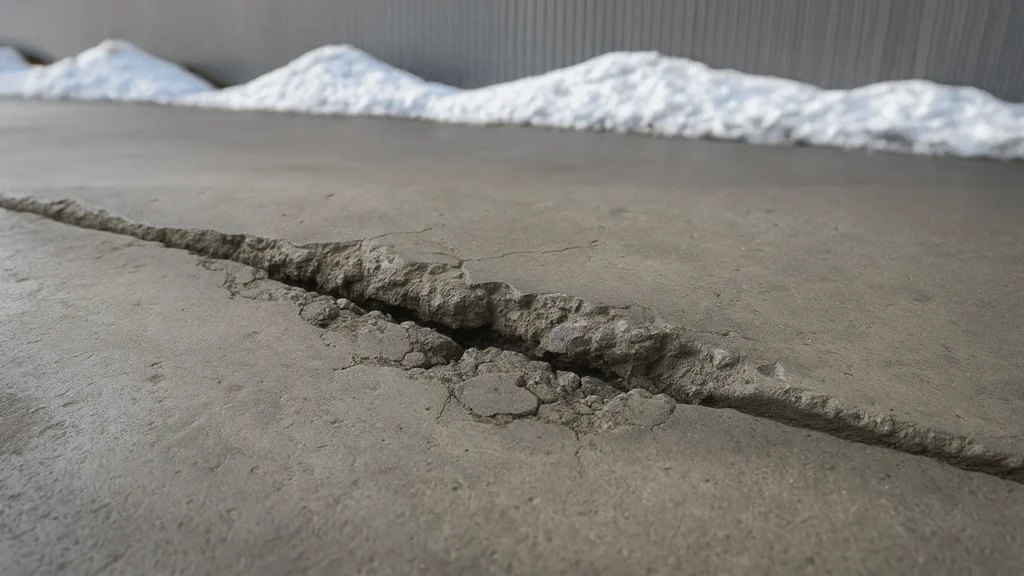
Winter concrete damage prevention helps protect concrete from cracking, scaling, and costly repairs caused by freeze-thaw cycles, moisture, and de-icing salts during harsh winter conditions.
Concrete Lifting & Leveling (Mudjacking) Services (2026 Reliable Guide)
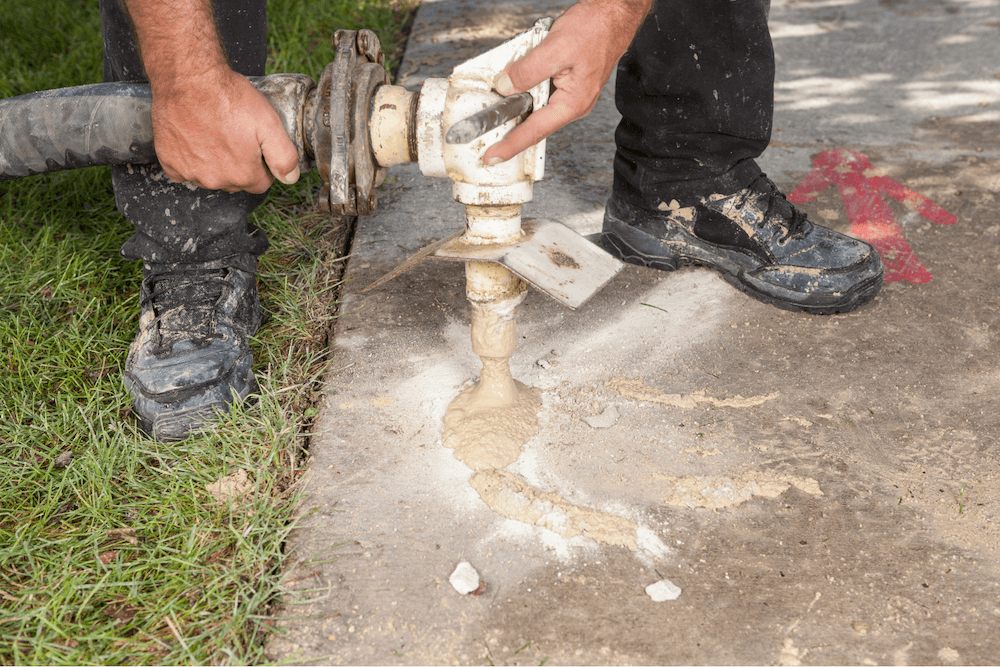
Concrete lifting in Edmonton restores sunken driveways, sidewalks, and slabs using proven mudjacking techniques—eliminating trip hazards and avoiding costly replacement.
Concrete Sealing Edmonton: Weather Protection Guide (2026)
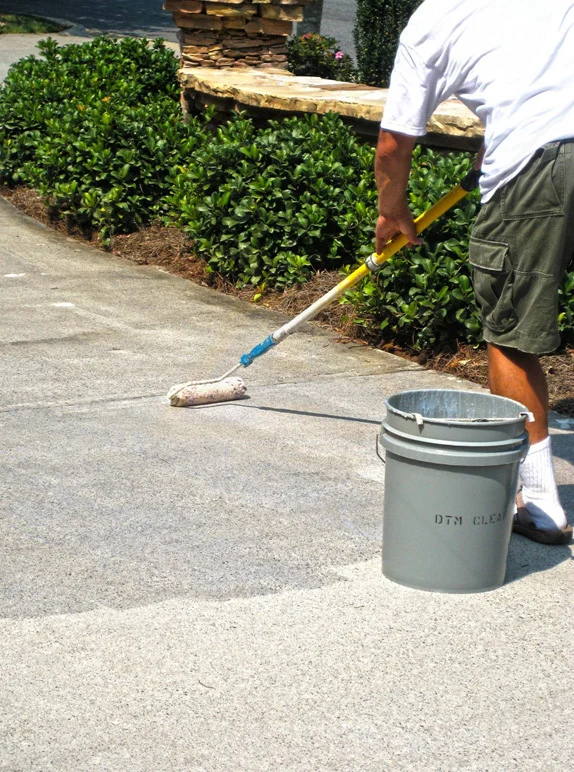
Concrete sealing in Edmonton protects driveways, patios, sidewalks, and slabs from freeze-thaw damage, moisture intrusion, and de-icing salts—extending concrete lifespan year-round.
Concrete Crack Repair Edmonton: Repair vs Replace (2026 Reliable Guide)
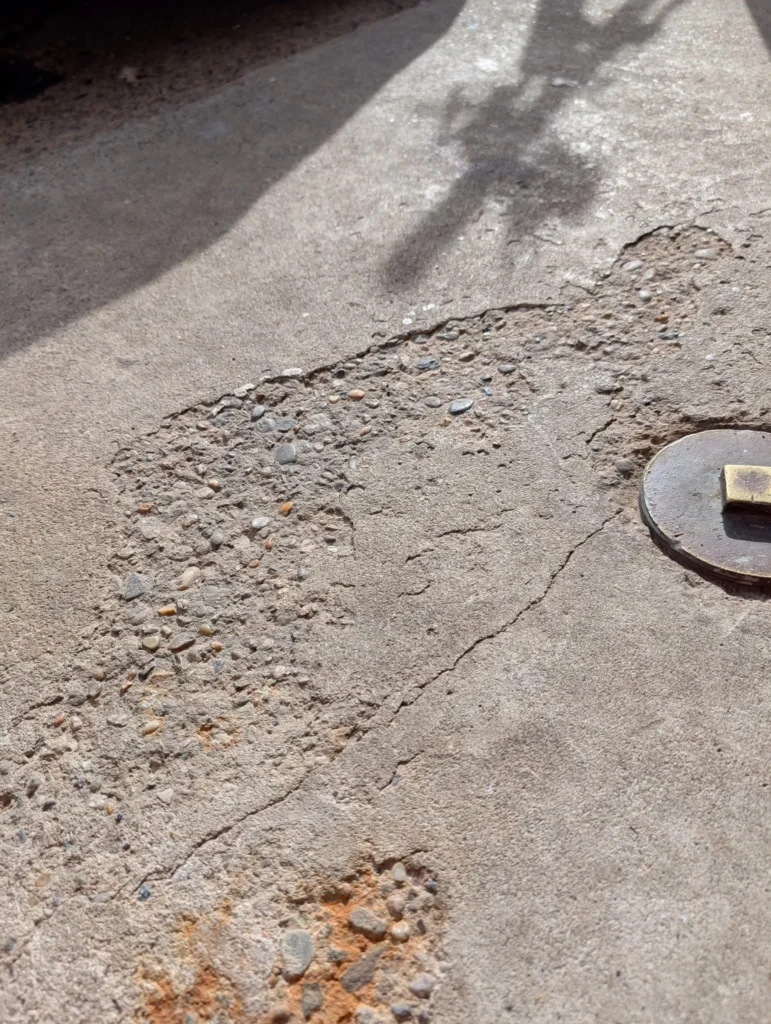
Concrete crack repair in Edmonton helps homeowners decide when cracks can be repaired and when full concrete replacement is the smarter long-term solution.